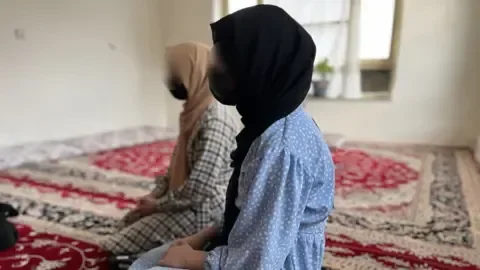
KABUL - Reports indicate a growing trend of young girls in Afghanistan adopting male appearances, a practice driven by a complex interplay of socioeconomic pressures and the restrictive environment imposed by the ruling Taliban. These girls, often dressing in loose trousers, shirts, and caps traditionally associated with boys, do so out of necessity to gain certain freedoms and, in some cases, to financially support their families.

The decision to disguise one's gender is a survival strategy, allowing girls to engage in activities and access opportunities otherwise denied to them under the current regime's stringent gender-based limitations. This phenomenon has been amplified following the Taliban's return to power, which has further curtailed freedoms for women and girls. The disguised girls aim to navigate a society with deeply entrenched patriarchal norms and increasingly limited personal autonomy.
Read More: WNBA Players Face Online Harassment Increases in April 2026

Circumstances of Disguise
Interviews and accounts suggest that economic hardship is a significant factor. In one instance, a 13-year-old identified as Omid has been dressing as a boy since she was three years old, a practice seemingly encouraged by her mother after her father's death. Her family consists of seven sisters and one brother. Similarly, another detained girl explained that she was compelled to work and dress as a boy to protect and support her siblings, detailing her employment and salary under interrogation by Taliban authorities. The recording of this confession while in Taliban custody has circulated widely.

Cultural and Familial Dynamics
Beyond immediate economic necessity, familial desires and cultural beliefs also appear to play a role. Some families without sons reportedly disguise their daughters as boys in the hope that this will bring good fortune and eventually result in the birth of a male child. This practice, while presented as a means to secure a son, raises questions about the long-term psychological impact on the girls themselves. It's noted that girls raised in this manner may not identify fully with traditional feminine roles and might develop habits perceived as uncharacteristic of their assigned gender, with some expressing no desire to marry.
Read More: Afghan Fathers Sell Children Due to Extreme Poverty

Historical Context and Evolving Practices
The practice of girls adopting male identities in Afghanistan is not entirely new. Historically, there have been instances where daughters were dressed as boys to circumvent specific social or religious restrictions, or to provide a desired male heir. However, the current climate under the Taliban appears to have intensified these measures, transforming them from occasional familial decisions into a more widespread response to current realities.
Related Issues: 'Bacha Bazi'
It is important to distinguish this phenomenon from the deeply disturbing practice known as 'Bacha Bazi', a centuries-old Afghan custom involving the sexual abuse of young boys, often dressed in feminine attire, by older men. While 'Bacha Bazi' has been condemned as severe child abuse and its prevalence is reported to have escalated significantly during periods of foreign military presence, it is a distinct issue from girls disguising themselves as boys for survival and freedom.
Read More: Supreme Court Allows States to Ban Transgender Girls from Female Sports