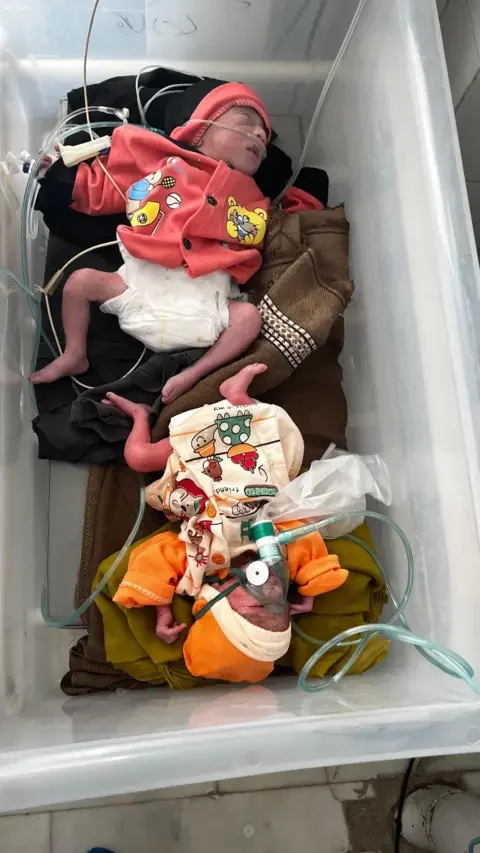
Afghanistan is facing a severe hunger crisis, with critical aid programs at risk due to funding shortfalls. The World Food Programme (WFP) is struggling to meet the needs of the population, particularly children, pregnant women, and breastfeeding mothers. This situation threatens to worsen existing malnutrition and food insecurity across the nation.

Stark Realities of Widespread Hunger
Reports indicate that the World Food Programme (WFP) is forced to turn away a significant number of children in need of aid. This occurs as funding for vital humanitarian programs faces sharp reductions. The consequences are dire, with families struggling to access even basic nutritional support.

A toddler, critically ill and receiving oxygen, highlights the severity of malnutrition.
Women express feelings of abandonment, questioning the international community's solidarity.
The WFP is often the sole source of support for families unable to afford nutritious food.
Funding Cuts Undermine Essential Programs
Reduced funding directly impacts crucial WFP initiatives designed to combat malnutrition and support vulnerable groups.

Emergency Food Assistance: Families selected for aid may not receive the full rations or cash needed.
Malnutrition Treatment: Programs aimed at treating and preventing malnutrition are jeopardized.
Support for Women and Children: School feeding programs and vocational training for women are under threat.
Specialized Nutrition: Pregnant and breastfeeding mothers, along with young children, risk not receiving essential nutritious food.
Impact on Families and Livelihoods
The effects of aid cuts are compounded by economic hardship and restrictions on women's ability to work.

Many families have limited income, with some men unable to work due to age or weakness.
The ban on women working has led to unemployment, affecting household incomes and causing distress.
Even small additional expenses, like electricity bills, create significant burdens for struggling families.
Circumstantial Evidence of Widespread Need
Is it accurate that nearly three-quarters of children requiring assistance are being turned away by the WFP?
Do families receive only half the food needed to prevent malnutrition, as suggested by reports concerning pregnant and breastfeeding women?
With the ban on women working, have income streams been severely limited for many households?
Expert Analysis
"Providing health services is an inalienable right for all people," stated Zaman.
Aylieff questioned, "Those same women are asking us, where is the solidarity of the international community?”
These statements underscore the human element of the crisis, emphasizing the fundamental right to health and the reliance of vulnerable populations on external support. The implied sentiment suggests a growing concern about international commitment to alleviating suffering in Afghanistan.
Read More: Save the Children CEO Asks for More Aid for Global Crises
Conclusion and Implications
The evidence points to a severe and worsening humanitarian crisis in Afghanistan, primarily driven by significant cuts in aid funding. The World Food Programme, a critical lifeline for millions, is facing immense pressure, leading to reduced assistance for those most in need, including children and women. The long-term implications of these cuts could include increased rates of malnutrition, exacerbated poverty, and further social instability. Without a substantial and sustained injection of funds, the situation is likely to deteriorate, impacting the health and well-being of a large segment of the Afghan population.
Sources:
AP News (Published 6 hours ago): Afghanistan faces catastrophic hunger crisis as aid cuts force the WFP to turn away 3 in 4 children - https://apnews.com/article/afghanistan-wfp-malnutrition-hunger-children-9caad6704732530ff4703e4384afea97
World Food Programme (Published Mar 26, 2025): Afghanistan: Funding cuts put lives at risk amid nutrition and hunger crisis - https://www.wfp.org/stories/afghanistan-funding-cuts-put-lives-risk-amid-nutrition-and-hunger-crisis
AP News (Published Dec 27, 2025): Millions of Afghans face hunger as aid cuts deepen a humanitarian crisis - https://apnews.com/article/afghanistan-aid-cuts-hunger-humanitarian-crisis-0c8f7335bc58979c36b053347b862c32