Adelaide, Australia – A recent study, published just yesterday in the Australian Journal of Zoology, outlines a novel approach for aiding native wildlife in the aftermath of devastating bushfires. Researchers from Adelaide University have demonstrated that specially constructed nectar feeders can provide a crucial food source for a diverse array of native animals whose habitats have been destroyed. This 'sweet lifeline' offers a potential temporary reprieve for creatures struggling to find sustenance in fire-ravaged landscapes.
The feeders, designed to cater to native species, have shown promise in attracting various animals. However, the research team also flagged potential complications. The presence of these feeding stations could inadvertently draw predators, posing an increased risk to vulnerable wildlife already weakened by the fires. Furthermore, larger animals like brushtail possums, and aggressive bird species, have been observed to dominate feeders, potentially excluding smaller or less dominant animals from accessing the much-needed resources.
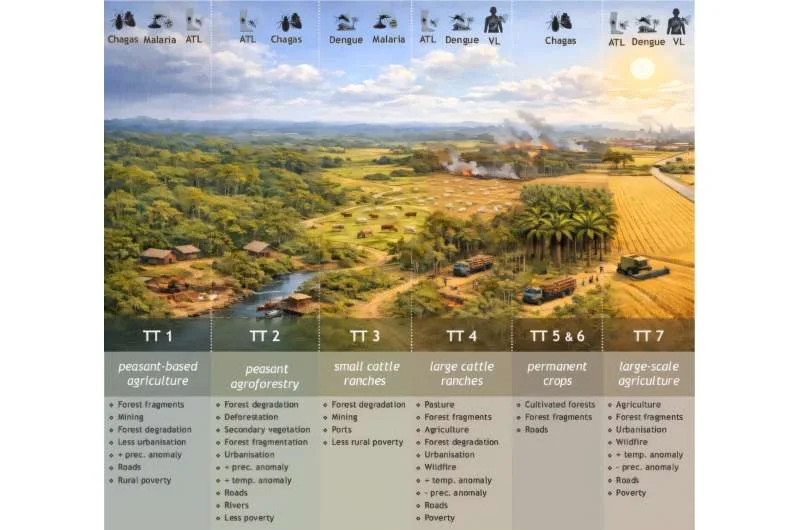
Read More: Amazon Land Use Changes Cause Disease Clusters in Brazil
Scientists involved in the project noted a secondary benefit: the feeders may also aid in detecting surviving animal populations in affected areas. This could be a valuable tool for understanding the scope of impact and for future conservation efforts.
The university's researchers also issued a stern caution against uncoordinated feeding efforts. Such well-intentioned but haphazard interventions, which became a common sight during the 2019-2020 'Black Summer' fires, can sometimes do more harm than good. A more structured, scientifically informed approach is deemed necessary to prevent unintended negative consequences.
Background on Research Efforts
This work emerges from a broader context of addressing the ecological fallout from severe bushfire seasons. Adelaide University has been active in research across various fields, including a recent exploration of Southeast Asia through the Westpac Australia-Asia Fellowship, which involved Emeritus Professor Geoff Fincher and former CSIRO executive Dr. Rod Hill. Separately, experts are convening symposia to discuss the role of nuclear energy in decarbonizing the energy sector, highlighting a focus on evidence-based answers to complex environmental and energy challenges. This bushfire recovery initiative appears to fit within the university's wider engagement with pressing societal and environmental issues.
Read More: Hunter Region Gets $12 Billion Train Factory