The 2026 Formula 1 season begins in Melbourne with a mechanical fragility not seen in the previous decade. Changes to power unit regulations have stripped cars of their automated launch reliability, leading race officials to alter the ' start procedure ' to prevent a mass stall on the grid. Drivers now face a mandatory five-second hold after the cars are set, a buffer designed to let engines stabilize before the red lights vanish.

"The smart drivers with the right attitude will really shine in the beginning… they’ve got to really drive these." — Martin Brundle
Engine Clumsiness: The loss of the Motor Generator Unit-Heat (MGU-H) complicates how torque reaches the wheels.
Manual Labor: Drivers must manage differential settings and brake bias with less software cushioning.
Grid Expansion: 22 cars will attempt to squeeze into Turn 1, an increase from the previous 20-car standard.
Mercedes Lead: George Russell and Kimi Antonelli occupy the front row, though their position is considered precarious due to launch unpredictability.
THE TECHNICAL FRICTION
The removal of complex heat-recovery systems—part of the 2026 ' regulation overhaul '—has returned the sport to a state of mechanical awkwardness. Without the MGU-H to assist in managing engine speeds, the physical connection between the foot and the pavement is more prone to failure. This has turned the race start from a solved equation into a ' volatile event '.
Read More: George Russell Struggles: 43 Points Behind Teammate Antonelli

| Factor | Previous Era | 2026 Standard |
|---|---|---|
| Grid Hold | Standard Sequence | 5-Second Buffer |
| Hybrid System | MGU-H + MGU-K | Simplified MGU-K Focus |
| Driver Input | High Automation | High Manual Bias |
| Field Size | 20 Cars | 22 Cars |
FRONTLINE UNCERTAINTY
Charles Leclerc has noted that Ferrari may hold a slight advantage in how their specific power unit handles the initial "bite" of the clutch compared to the Mercedes pair. Oscar Piastri, racing at his home track, anticipates that the inability of some drivers to find the ' optimal window ' will lead to a bottleneck at the first corner. The risk of being overtaken by half the grid exists for anyone who misjudges the new, heavier throttle response.

CONTEXT: THE ALBERT PARK SHIFT
The Australian Grand Prix returns to its role as the season opener for a 24-race calendar. Historically, the Melbourne circuit is known for being ' unforgiving ' due to its street-circuit roots and lack of run-off in key sectors.
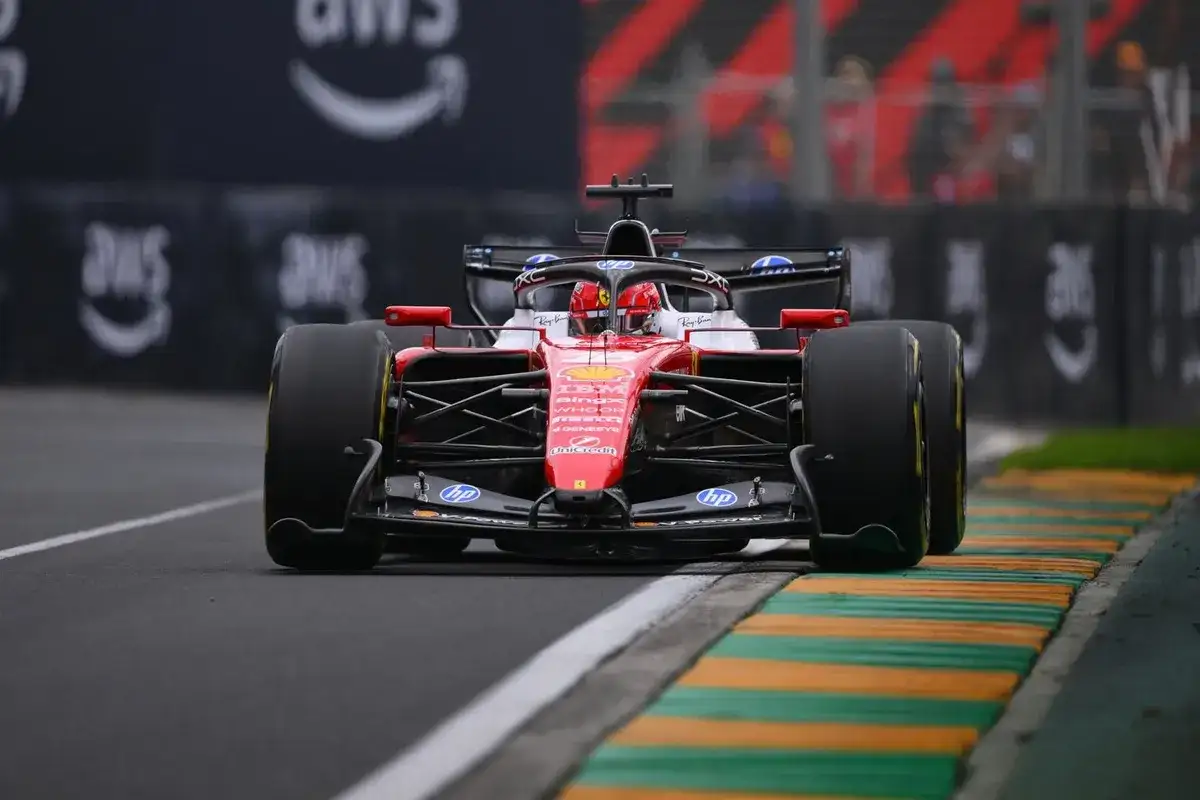
History: Lando Norris won here in 2025; Carlos Sainz in 2024.
The Format: 58 laps covering 5.2km per loop.
Race Start: Sunday, March 8, at 4:00 AM local time.
The 2026 ruleset was intended to simplify technology and invite more manufacturers. The unintended result for the first race is a grid that appears technically regressive, where the most expensive machines in the world may struggle simply to begin moving.
Read More: Hunter Region Gets $12 Billion Train Factory