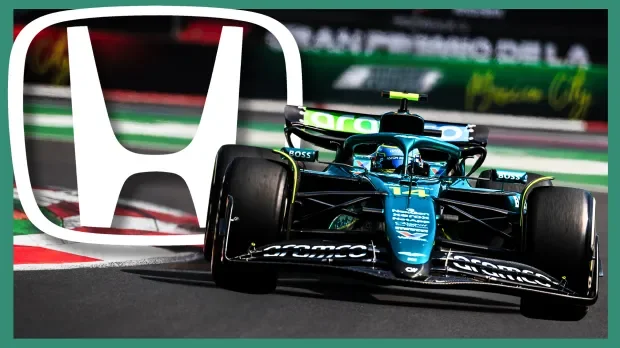
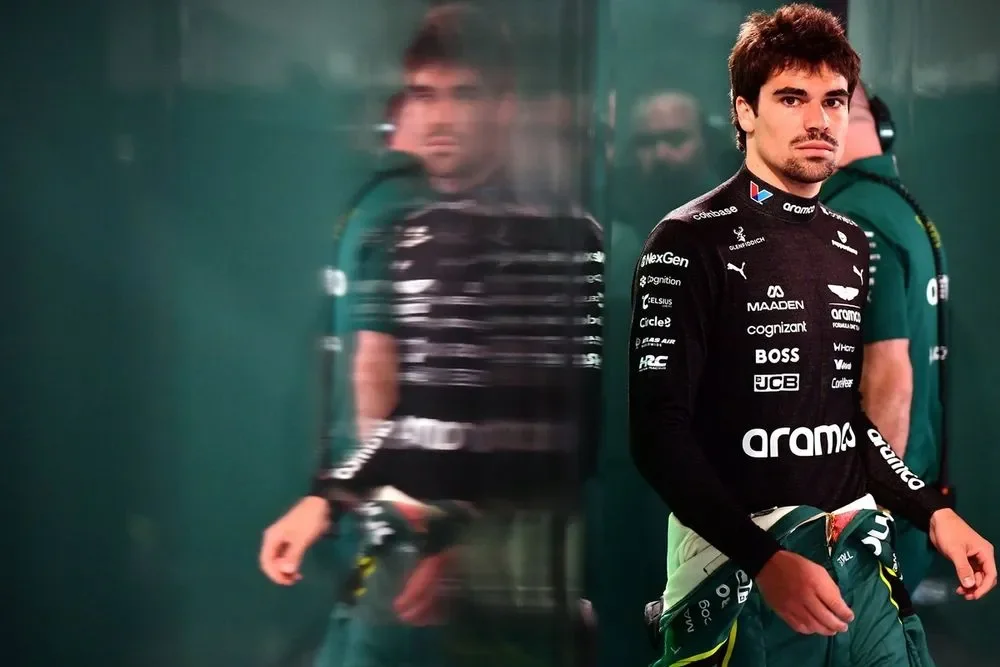
Following the Miami Grand Prix, the partnership between Aston Martin and Honda has moved beyond the mechanical failure cycles that defined their start to the 2026 season. Both Fernando Alonso and Lance Stroll successfully completed the full race distance for the first time this year, marking a shift from the frequent mid-race retirements and severe vibration issues that previously crippled the AMR26 platform.
The core improvement stems from intense static testing at the Honda Racing Corporation (HRC) facility in Sakura, where a race car was retained following the Japanese Grand Prix to diagnose power unit and chassis oscillations on a dynamometer.
Key Operational Findings
Vibration Mitigation: Engineering teams confirmed that countermeasures applied to the power unit’s battery side and the driver-contact points successfully reduced operational instability.
Endurance Milestone: The team’s ability to field two cars across the finish line in Miami represents the primary performance metric, as previous races had been marred by total engine or chassis-driven withdrawals.
Technical Focus: With structural reliability marginally stabilized, the technical narrative has transitioned toward energy management and drivability optimization, areas previously inaccessible while the team was struggling with basic mechanical survival.
Diagnostic & Developmental Context
The collaborative effort relied on an atypical diagnostic process. By keeping an AMR26 monocoque at the Sakura factory, Honda and Aston Martin engineers bridged the gap between theoretical engine simulations and track-side reality. Previously, the engine’s power output was capped by internal constraints to prevent terminal damage from high-frequency vibrations.
Read More: George Russell Struggles: 43 Points Behind Teammate Antonelli
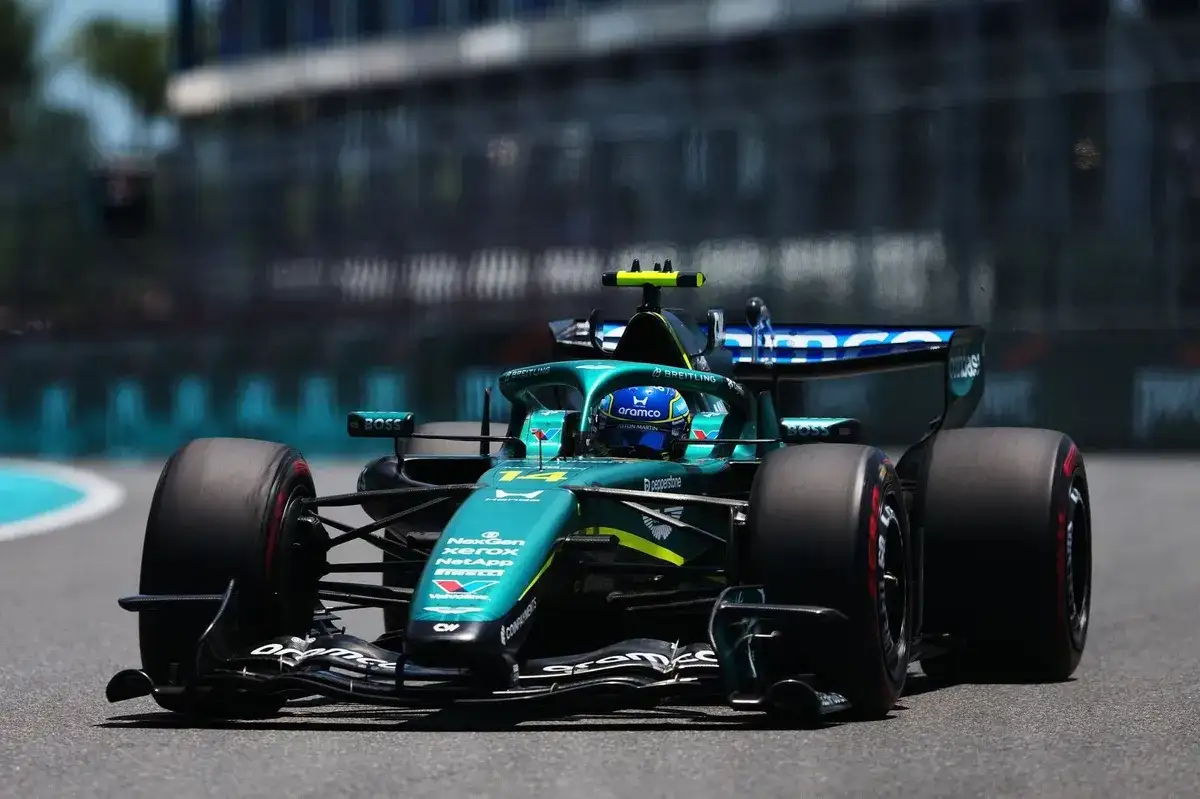
While team officials, including Mike Krack and Shintaro Orihara, acknowledge that the team remains significant seconds off the pace, the focus is now on extracting more consistent power without sacrificing the structural integrity of the drivetrain.
"After that race, we took the opportunity to keep one of the AMR26 cars on site for further static testing in Sakura for the first time, focusing our efforts on reducing the vibrations and thus increasing reliability." — Project Technical Overview
Strategic Outlook
The 2026 season opened with a period of technical volatility for the works alliance. Having successfully navigated the "long gap" following the Japanese Grand Prix, the team now faces the pressure of developmental speed. The shift in tone from crisis-management to iterative improvement is essential for retaining veteran talent and maintaining investor confidence at Silverstone. Despite these incremental gains, the team remains in a position of catching up to the field, with the next phase of the partnership requiring significant, sustained efficiency increases in their energy harvest and delivery systems.