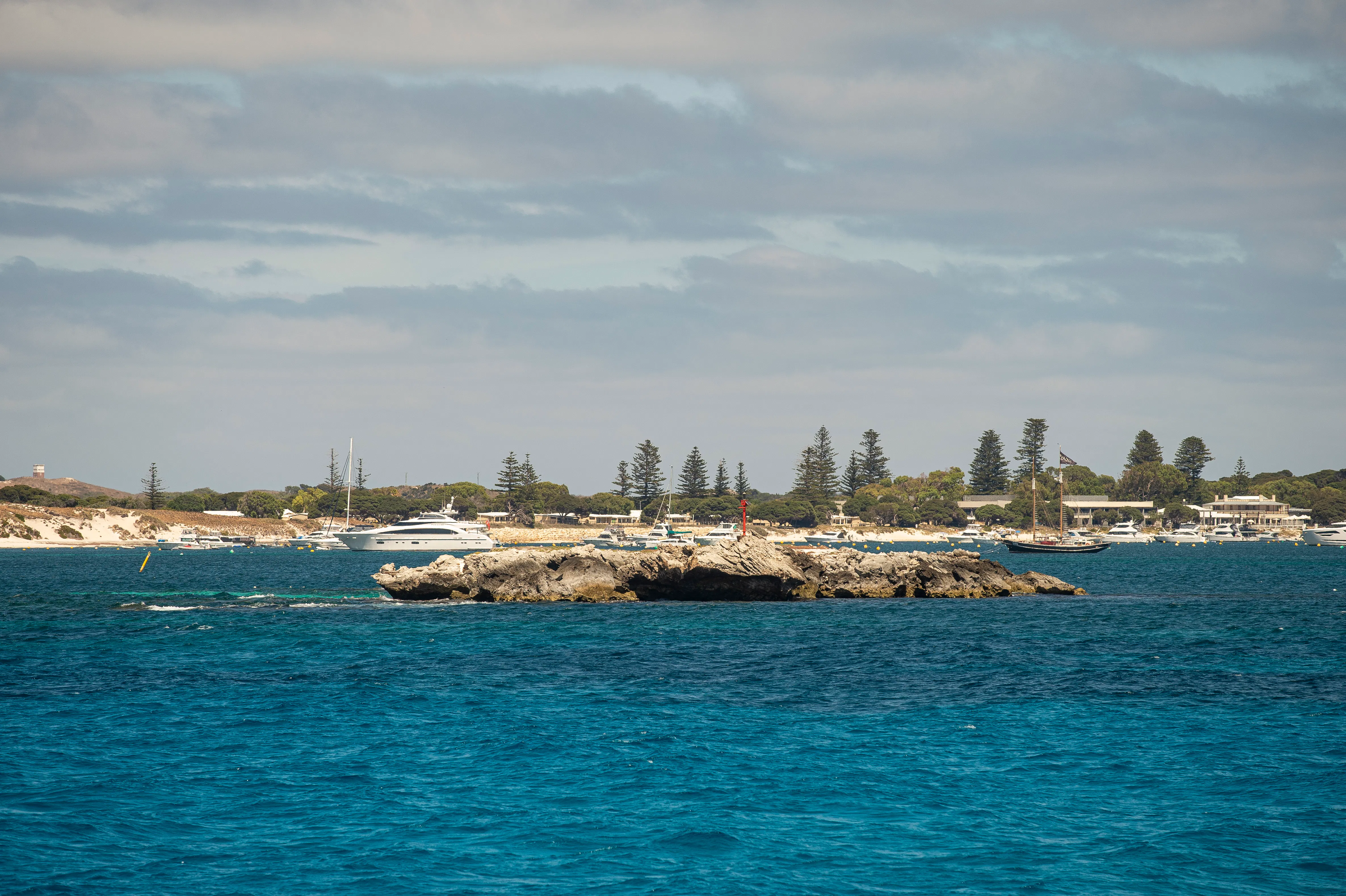
A 38-year-old man died on Saturday morning following a shark encounter near Rottnest Island, a popular tourist spot off the coast of Perth, Western Australia. The incident occurred around 10am AWST at Horseshoe Reef, about a kilometre offshore, near Geordie Bay.

The man was spearfishing approximately 20 meters from his boat when the attack took place. First responders, including friends who were present, attempted to revive him on the way to shore. Emergency services, including a St John WA ambulance and a RAC rescue helicopter, were dispatched to the scene. Despite their efforts, the man could not be revived and was pronounced dead.
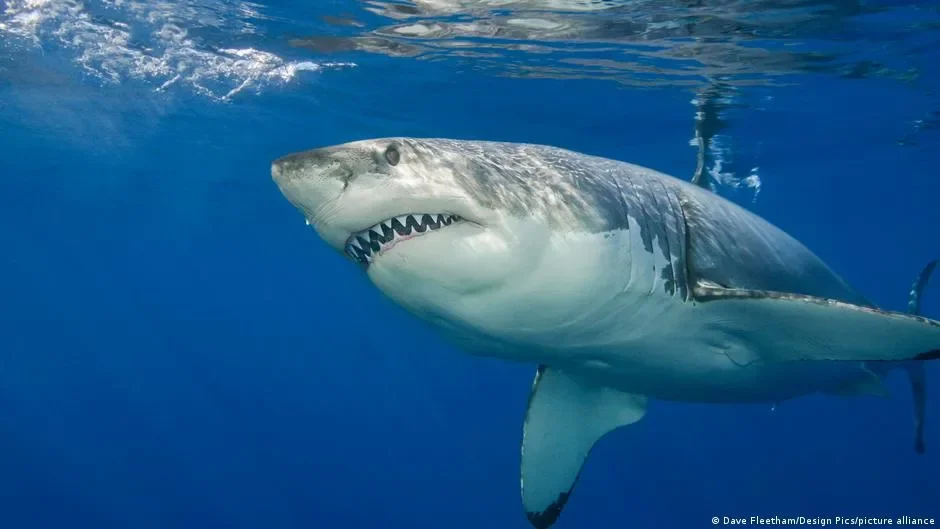
A five-meter great white shark was reported in the vicinity of Geordie Bay around the same time as the attack. The Department of Primary Industries and Regional Development has issued a warning, urging increased caution in the Geordie Bay area and advising adherence to any beach closures. Authorities are compiling a report for the Coroner.
Read More: Four dead in Markapuram lorry crash during wedding on April 6 2026
Circumstances of the Attack
Witnesses described the scene as "horrific." Sergeant Michael Wear, officer in charge of the Rottnest Island police station, commended the "heroic efforts" of the man's friends who retrieved him from the water and administered CPR. Television footage showed paramedics and police treating the man on the jetty. The man's injuries were described as "horrific."
Broader Context
This event occurs amidst a backdrop of shark activity in Australian waters. Australia has recorded a significant number of shark attacks, leading the world in fatal incidents last year. Recent weeks have seen other shark-related incidents, including a near-miss with a surfer in South Australia. The long-term implications for Western Australia's tourism and its reputation as a safe destination are being considered by industry observers, with potential calls for increased investment in shark research and detection technologies.
Read More: Hunter Region Gets $12 Billion Train Factory