


Academic institutions and professionals are increasingly grappling with the pervasive issue of student burnout, a phenomenon described as a systemic problem rather than a matter of individual motivation. This understanding challenges conventional approaches that often place the onus solely on students to manage overwhelming workloads and pressures.

Research increasingly points to burnout as an institutional failing, rooted in systemic demands rather than a lack of student resilience or effort. Strategies focused on individual coping mechanisms, while seemingly helpful, often miss the mark by not addressing the broader environmental factors contributing to student exhaustion.
Institutional Responsibility and Systemic Factors
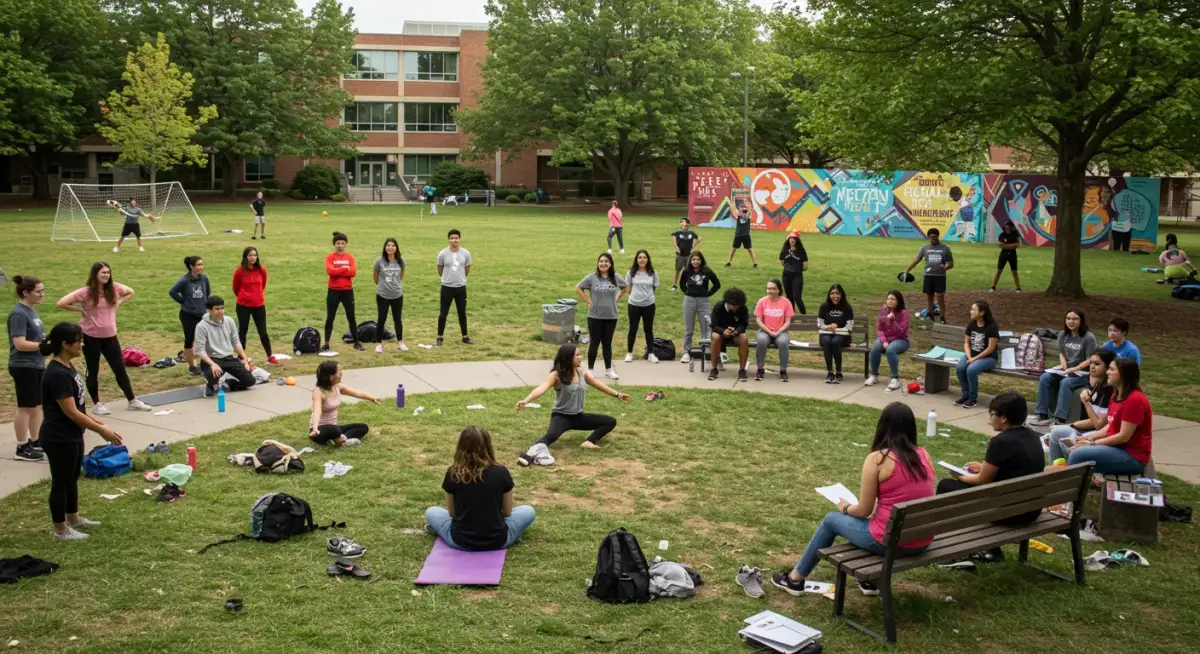
Institutions like York University and the University of Houston Law Center are beginning to acknowledge their role in mitigating student burnout. While LL.M. programs inherently carry a high degree of pressure, the underutilization of campus resources is frequently linked to students' ingrained belief that they should manage challenges independently.
Read More: Google Learn About AI Tool Released April 2026 For Simple Learning

Kiranpreet Litt, a student success and wellness counsellor at York University’s Osgoode Hall Law School, highlights that burnout often stems from students trying to manage too many simultaneous demands. The notion that academic rigor must come at the expense of well-being is a persistent myth. Effective burnout prevention, therefore, requires a shift from individualistic "self-care" narratives to a more robust, institutional-level framework.
Redefining Identity and Support Structures
The perspective that "your job is not your identity" offers a crucial reframing strategy. Preventing burnout necessitates establishing sustainable life balances and setting clear boundaries. This involves recognizing that one's worth is not solely tied to academic or professional achievements.
Strengthening relational support networks emerges as a critical, yet often overlooked, antidote to burnout. Paradoxically, when individuals experience burnout, they tend to withdraw from the very social connections that could offer crucial assistance.
Read More: Whittier College Senior Elias Loya Finds Community
Beyond "Self-Care": Practical Interventions
The limitations of superficial "self-care" strategies are becoming apparent. Instead, the focus is shifting towards:
Sustainable Habits: Establishing healthy routines during graduate studies that can persist beyond academia. This includes consistently prioritizing mental and physical health.
Boundary Setting: Learning to decline additional commitments and avoid overextending oneself, particularly by not consistently working through weekends or making oneself perpetually available.
Systemic Solutions: Colleges are exploring how to maintain academic rigor while implementing burnout prevention. This includes assessing the impact of student burnout on retention and graduation rates, suggesting that the strongest prevention strategies originate at the institutional level.
Understanding Burnout's Manifestation
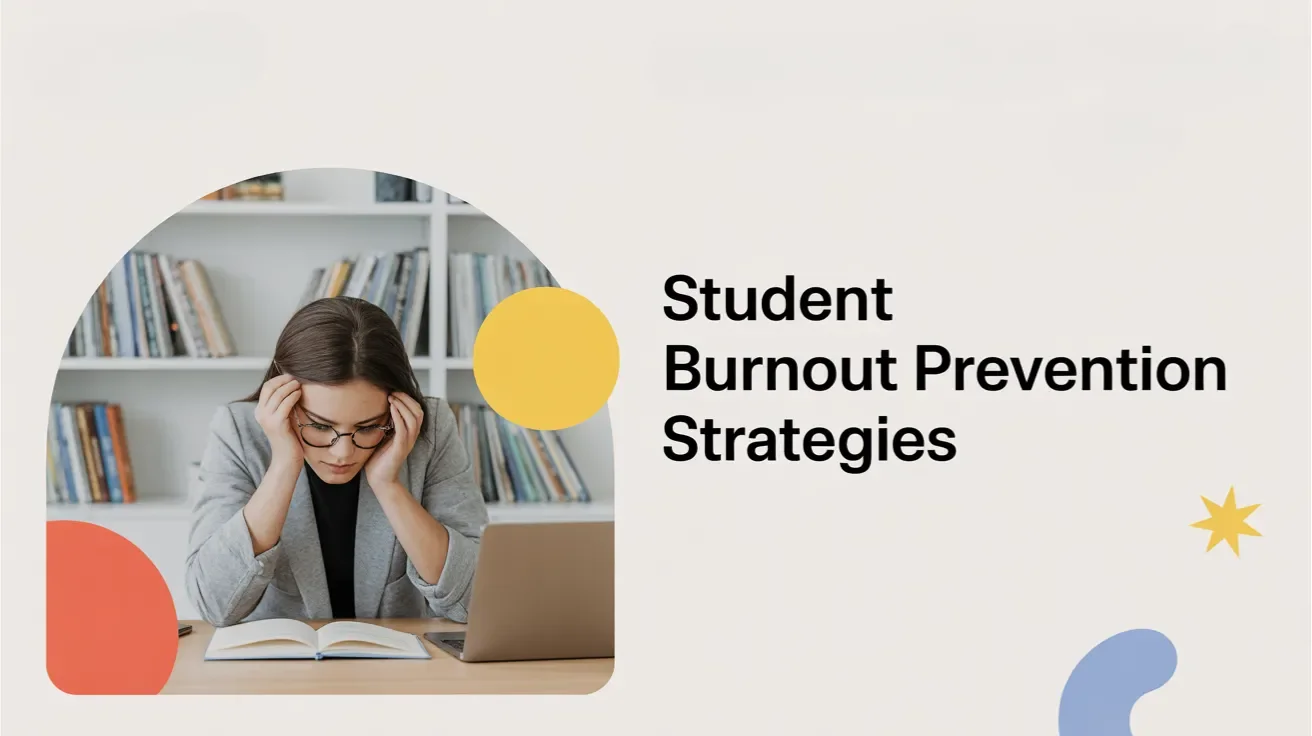
Burnout often manifests as persistent fatigue, even with adequate sleep. It can also involve setting unrealistic goals and experiencing guilt over time spent away from studies. Recognizing these signs is the first step towards addressing the issue. The discourse around burnout is evolving, moving away from individual blame towards a more critical examination of academic and professional environments.


