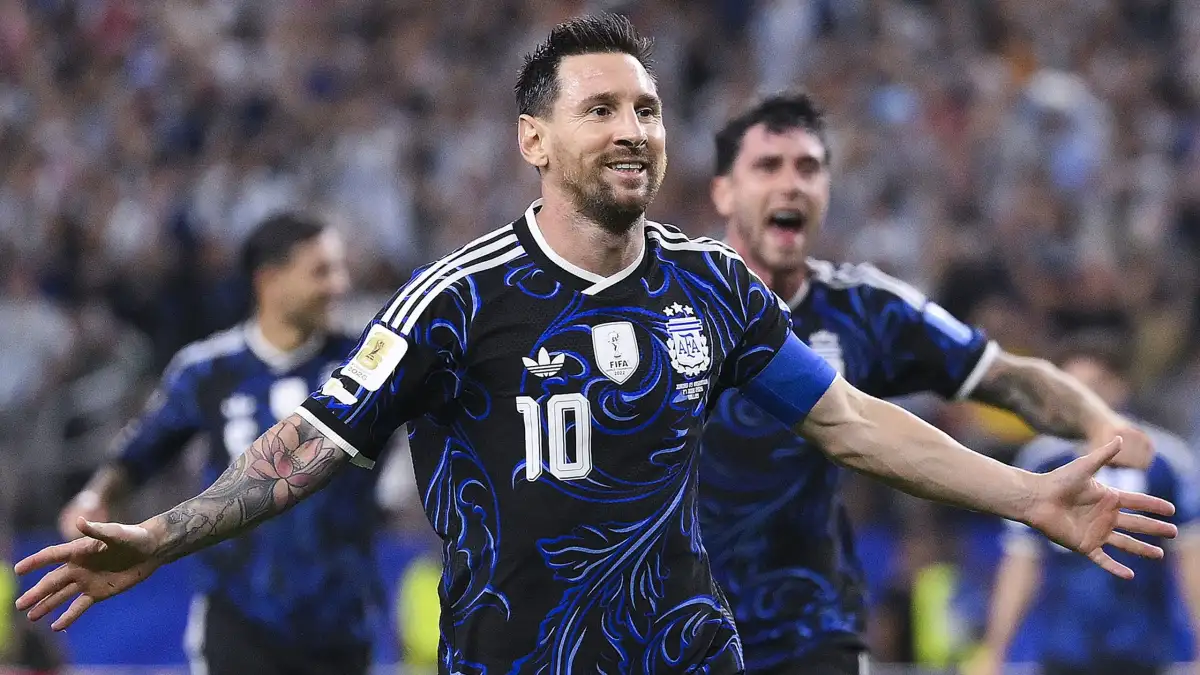
As the 2026 FIFA World Cup looms, a shadow of injuries hangs over several key international squads, threatening to sideline marquee players and reshape competitive landscapes. The prevalence of significant ligament tears, particularly Anterior Cruciate Ligament (ACL) and Achilles tendon injuries, has drawn attention, alongside a string of hamstring and other muscle strains.
The sheer volume of high-profile players facing significant time on the sidelines or nursing serious doubts over their participation is stark. This situation casts a pall over pre-tournament preparations for nations heavily reliant on these stars.
Key Absences and Doubts Emerge
Multiple reports detail a grim list of players battling fitness issues.
Rodrygo of Brazil, a dynamic forward for Real Madrid, is confirmed out of the tournament. He suffered a torn ACL and meniscus in his right knee in early March, an injury described as severe.
Xavi Simons of the Netherlands faces a similar fate, having ruptured his ACL.
Hugo Ekitike and Juan Foyth are also reported to be out, with Achilles tendon tears cited as the cause for both.
Éder Militão, Brazil's center-back, is sidelined by a hamstring injury requiring surgery, leaving his World Cup participation uncertain.
Mohammed Kudus of Ghana is in serious doubt, battling a significant quadriceps injury sustained in January.
Arda Güler of Turkey, a promising young talent, has seen his season cut short by a hamstring injury, though some reports suggest a potential return before the tournament.
Lamine Yamal of Spain is facing doubt due to a partially torn hamstring.
Estêvão of Brazil is also dealing with a torn hamstring that left him visibly distressed.
Takumi Minamino of Japan is very likely to miss the tournament after tearing his ACL.
Wataru Endo of Japan is sidelined with a knee and ankle injury.
Luis Ángel Malagón of Mexico is out with an Achilles tendon issue.
Other notable players facing varying degrees of doubt include Luka Modric (Croatia), Reece James (England), Mohamed Salah (Egypt), and Matthijs de Ligt (Netherlands), with muscle, hamstring, and back injuries respectively.
A Landscape of Uncertainty
The confluence of these injuries raises questions about player conditioning and the toll of demanding club seasons. While some players have return dates tentatively penciled in, others face prolonged absences with no clear timeline for recovery.
Read More: FIFA World Cup 2026 Revenue Reaches $15 Billion With New Ticket Prices
The situation for Brazil is particularly concerning, with Rodrygo and Militão's potential absences creating significant gaps.
Ghana's hopes appear diminished with the potential loss of Mohammed Kudus.
Mexico, as a co-host, faces the blow of losing goalkeeper Luis Ángel Malagón.
Precedent and Contributing Factors
The frequency of serious injuries, particularly ACL and Achilles tears, has led to speculation about underlying causes. While specific circumstances vary player by player, a broader discussion often points towards the relentless football calendar, increased physical demands on players, and potentially advancements in playing styles that push physical limits. The timing of these injuries, so close to a major international tournament, amplifies the impact and adds a layer of drama to the unfolding narrative of the 2026 World Cup.