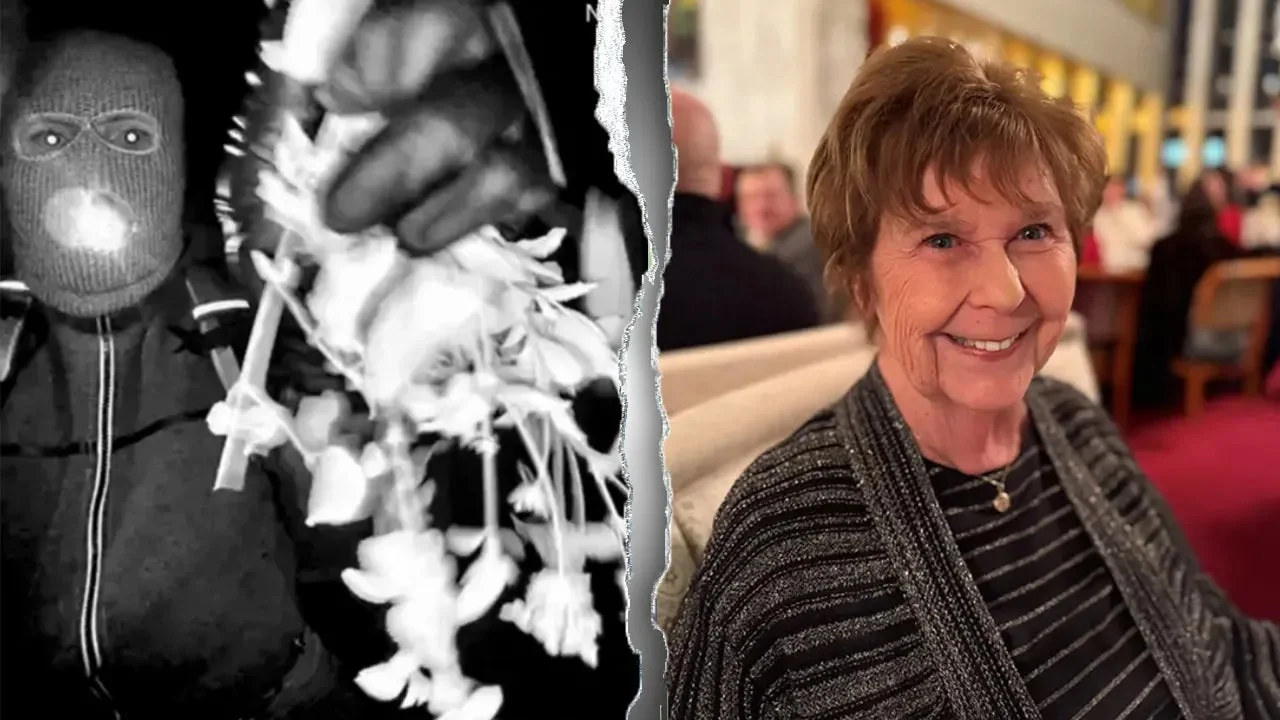
The search for 84-year-old Nancy Guthrie, missing since early February, is entering a critical phase as investigators broaden their scope, employing advanced forensic techniques and exploring potential leads beyond her immediate community. Concerns are mounting that the time elapsed may be making the task of locating her more difficult. Authorities are now looking at genetic genealogy and examining data from her medical devices, hoping to uncover clues that might otherwise remain hidden.
Timeline of Events:
Early February: Nancy Guthrie is abducted from her Tucson home.
February 13: FBI releases video footage from Guthrie's security camera.
Subsequent Weeks: Investigators find a glove near Guthrie's home containing male DNA. DNA from Guthrie's home is also collected. Data from Guthrie's pacemaker app indicates a disconnect from her phone.
Present: Investigators are utilizing genetic genealogy and considering data from Guthrie's pacemaker, as traditional database searches of DNA have yielded no matches. Two individuals have been detained in connection with the case.
Expanding the Search
Investigators are grappling with the dwindling chances of finding Nancy Guthrie as the investigation progresses into its third week. The initial days of the search yielded two detained individuals and a glove found near her residence. However, the DNA profile from this glove, and DNA recovered from within Guthrie's home, did not produce a match in the FBI's CODIS database.
Read More: Andrew Mountbatten-Windsor Arrested and Released in Public Office Inquiry in Norfolk
This lack of a database hit has prompted a shift in investigative strategy.
Authorities are now turning to genetic genealogy in an attempt to identify the unknown male DNA.
This method involves comparing DNA profiles to databases where individuals have voluntarily submitted their genetic information for ancestry or health purposes, a process distinct from the CODIS system.
Unlocking Electronic Clues
Beyond DNA, investigators are examining electronic data for any indication of Guthrie's whereabouts or events leading up to her disappearance. A significant point of interest is the data from her pacemaker.
The app associated with Guthrie's pacemaker registered a disconnect from her phone at 2:28 a.m. on the night of her abduction.
Experts suggest that such devices, or their associated data, could potentially offer insights into her medical status or movements.
Investigators are exploring how this electronic data might be accessed and analyzed to aid the investigation.
Geographic Considerations
With leads seemingly becoming more scarce locally, the investigative team is also looking toward international avenues.
The possibility of Mexico being involved in the case is being considered, though the specific nature of this potential involvement is not detailed.
This suggests that investigators are not ruling out the possibility that Guthrie may have been taken across the border or that a suspect may have fled to Mexico.
Evidence Collected So Far
The investigation has gathered several pieces of evidence, each holding potential significance:
DNA from a glove: Found approximately two miles from Guthrie's home. A male DNA profile was obtained from this item.
DNA from Guthrie's home: Recovered from within the residence.
Video footage: Excerpts from Guthrie's security camera were publicly released, showing activity near her home.
Pacemaker data: An alert indicating a disconnection from her phone.
Detained individuals: Two people have been taken into custody in connection with the disappearance.
Expert Perspectives on Forensic Techniques
The use of genetic genealogy by law enforcement is a developing area.
"They're using commercial DNA databases where people have voluntarily submitted their DNA," explained one source familiar with the investigation, highlighting the difference from standard criminal databases.
Experts note that while CODIS contains DNA profiles of convicted offenders and arrestees, commercial databases offer a much broader pool of genetic information, potentially allowing investigators to identify relatives of an unknown suspect.
Regarding the pacemaker data, a cybersecurity expert stated that while such devices collect data, the ability to access it for investigative purposes can depend on device manufacturers and privacy regulations.
Read More: Donald Trump Says Barack Obama Broke Secret Laws by Talking About Aliens on February 19 2026
Current Status and Next Steps
The investigation into Nancy Guthrie's disappearance is ongoing, with a clear pivot towards more sophisticated and less conventional investigative tools.
The lack of immediate matches in federal DNA databases underscores the challenges faced by investigators.
The pursuit of leads through genealogy and the analysis of medical device data represent a strategic effort to overcome these hurdles.
The consideration of international locations, such as Mexico, broadens the geographical scope of the search.
Authorities continue to work on obtaining video from additional cameras at Guthrie's home.
The successful resolution of this case may hinge on the ability of investigators to successfully elucidate the connections held within genetic databases and electronic footprints. The coming days will likely reveal the efficacy of these expanded investigative efforts.
Sources Used:
Los Angeles Times: https://www.latimes.com/world-nation/story/2026-02-19/nancy-guthrie-investigators-turn-to-mexico-genealogy-pacemaker-amid-fears-trail-going-cold - Reports on investigators expanding their search to Mexico and using genealogy and pacemaker data amid fears the trail is going cold.
Fox News: https://www.foxnews.com/live-news/nancy-guthrie-disappearance-arizona-feb-17-live-updates - Provides live updates on the investigation, confirming no CODIS hits on DNA and outlining next DNA testing steps, including genealogy.
NPR: https://www.npr.org/2026/02/17/nx-s1-5716057/investigators-could-turn-to-genealogy-to-identify-recovered-dna-in-nancy-guthrie-case - Discusses the potential use of genealogy by investigators to identify DNA recovered from a glove found near Guthrie's house.
CBS News: https://www.cbsnews.com/news/nancy-guthrie-search-evidence-what-we-know/ - Details the known evidence in the case, including video footage, a backpack, possible DNA from a glove, and data from Nancy Guthrie's pacemaker app.