

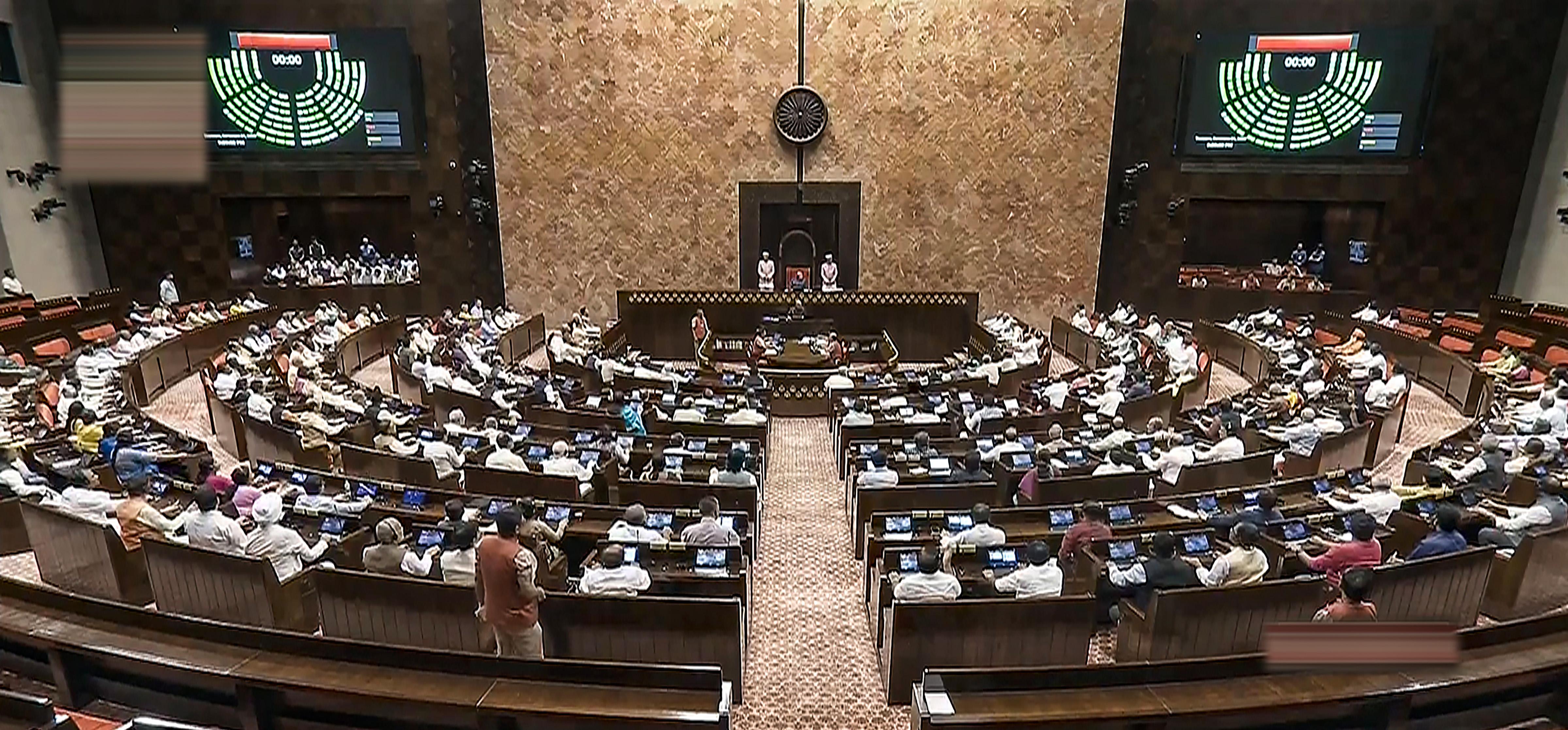
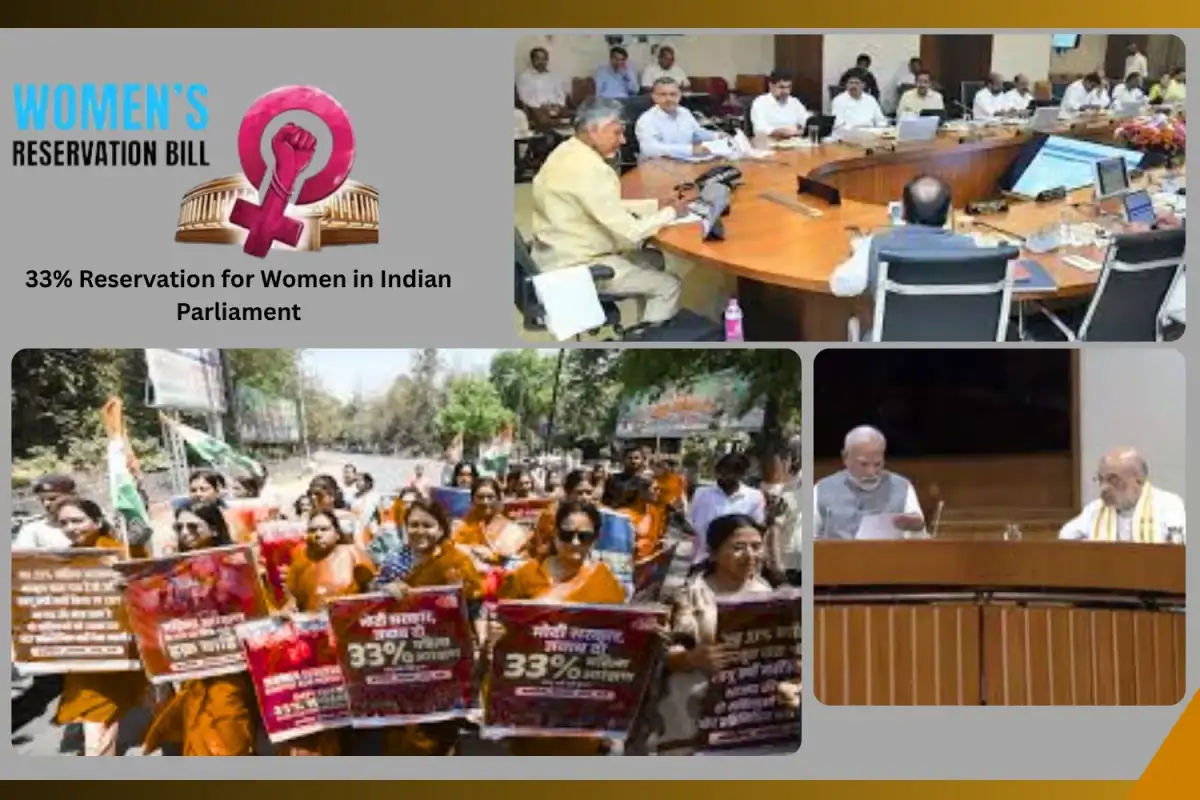
The newly enacted law earmarking one-third of seats in the Lok Sabha and state assemblies for women is slated for implementation no sooner than 2029. This timeline is intrinsically tied to the completion of a 'delimitation' exercise, a redrawing of electoral boundaries, and a subsequent census. The measure, passed by Parliament in September 2023, aims to address a persistent gender imbalance in political decision-making bodies, a gap that mirrors broader inequalities across various sectors, including public sector employment where women remain underrepresented despite growth in other economic spheres.
The push for greater political representation for women, culminating in the Women's Reservation Act of 2023, aims to significantly increase female participation in governance. Proponents argue this will foster policy shifts towards issues disproportionately affecting women, such as gender-based violence, healthcare, education, and economic empowerment. The reservation, a one-third quota, mirrors similar provisions already in place for local governance bodies since the 1990s.
Delimitation and Census: The Unseen Hurdles
The implementation timeline, pointing towards the 2029 general elections, hinges on crucial administrative processes. The delimitation of constituencies, which adjusts boundaries based on population shifts, must precede the implementation. This, coupled with a census, forms the basis for the new seat allocations. Until these steps are completed, the reservation remains a prospective change, a promise awaiting its logistical fulfillment. This intricate linkage has drawn attention, with some commentators noting the considerable gap between the bill's passage and its potential effect.
Read More: Trump Threatens Iran with Harder Hits After Week-Long Conflict

Broader Unease: Beyond Political Seats
The call for enhanced women's political representation is not an isolated event. It arises within a broader context of gender-based disparities. While the number of women in the workforce has grown, public administration and high-level decision-making roles have lagged, remaining largely male-dominated. The VIT Chancellor has also pointed out that inequality among women extends beyond political arenas, touching upon education and healthcare as well. The emphasis on initiatives like the 'Lakhpati Didi' scheme, aimed at financial independence for women, and discussions around prioritizing the 'care economy' – elder care and childcare – underscore the multifaceted nature of gender inclusion sought by various stakeholders.
Historical Echoes and Future Aspirations
The Women's Reservation Bill, formally the Constitution (128th Amendment) Bill, 2023, resurrects a demand that has persisted for decades. The legislative process saw the Rajya Sabha pass the bill with an overwhelming majority in September 2023, following its passage in the Lok Sabha. The debate has also touched upon the inclusion of sub-quotas for OBC or minority women, a point of discussion that has historically surrounded such legislation. The National Policy for the Empowerment of Women (2001) had previously indicated the consideration of reservations in higher legislative bodies. India now joins over 100 nations globally that have implemented some form of gender reservation in their political systems. The successful passage of the bill signifies a significant, albeit delayed, step towards gender parity in India's democratic architecture.
Read More: WIF India offers Cannes scholarships for women producers starting March 11, 2026