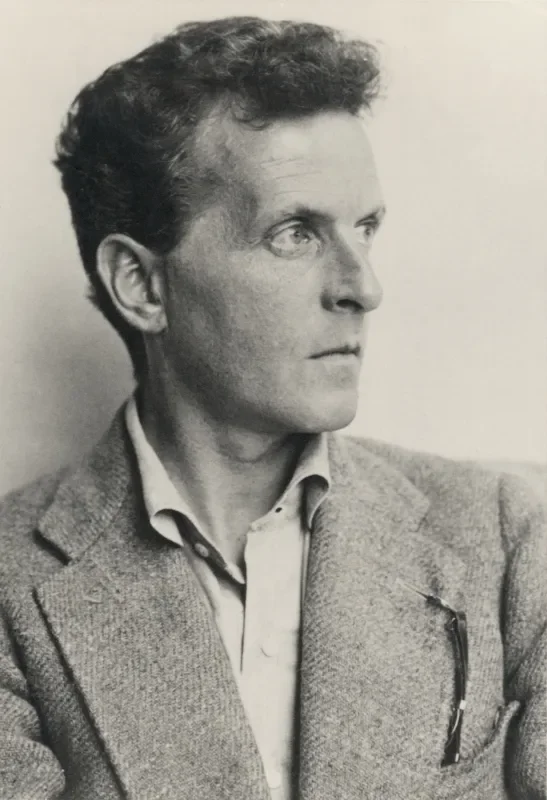
An album titled "Wittgenstein and the Transcendental," released by Art Schop, prompts a renewed grappling with the philosopher's complex ideas on language, logic, and the limits of expression. The work appears to riff on Wittgenstein's distinction between what can be "said" and what can only be "shown," a core tenet explored in his philosophical writings.
The album’s title itself evokes the central concerns of Ludwig Wittgenstein. His philosophy, particularly as presented in works like the Tractatus Logico-Philosophicus and later in the Philosophical Investigations, grappled with the fundamental question of whether human language can articulate everything. Wittgenstein posited that what is thinkable, speakable, and logical are, in essence, one and the same. The value of a word, he argued, derives solely from the context of the linguistic "game" in which it operates.
Read More: Billy West Memoir Reveals How He Created Fry's Voice
Further understanding of Wittgenstein necessitates acknowledging the evolution of his thought. Scholarship points to distinct phases: the "early Wittgenstein" of the Tractatus, the period bridging this to the "later Wittgenstein" of the Philosophical Investigations, and subsequent developments in interpreting his work. This historical progression suggests that any engagement with his ideas, whether philosophical or artistic, requires navigating these different intellectual landscapes.