

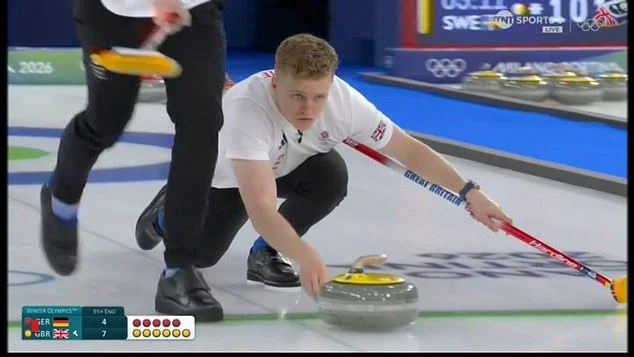
Recent events at the Winter Olympics curling competition have drawn significant attention due to allegations of rule violations, specifically "double-touching" a stone. These claims have implicated several teams, including Canada and Great Britain, sparking debate and heightened scrutiny of gameplay.
The core of the controversy revolves around the act of a player touching a curling stone after releasing their grip on the handle. While players can adjust their grip before a designated line (the hog line), any touch after releasing the handle is considered a violation, resulting in the stone being removed from play. Accusations suggest some athletes may have subtly pushed or corrected the stone's path with their fingers after the initial release, an action that may not always trigger electronic sensors designed to detect handle release.
Escalation of Allegations and Team Involvement
The issue gained prominence following a match between Sweden and Canada. Swedish curler Oskar Eriksson publicly accused Canadian player Marc Kennedy of "double-touching" stones. This led to a heated exchange, with Kennedy vehemently denying the claims and offering to review video evidence.
Read More: Lindsey Vonn faces long recovery after Milano-Cortina Olympic crash
The controversy quickly extended beyond the men's competition. Canada's women's team also faced a similar accusation. During their game against Switzerland, Canadian skip Rachel Homan had a stone removed after an official ruled she had committed the same infraction. This incident occurred after World Curling had reportedly directed umpires to monitor play more closely across all matches.
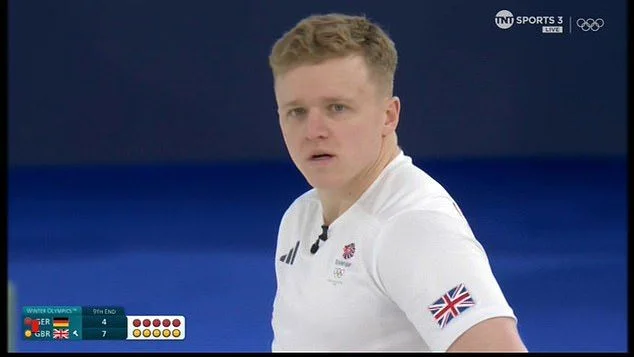
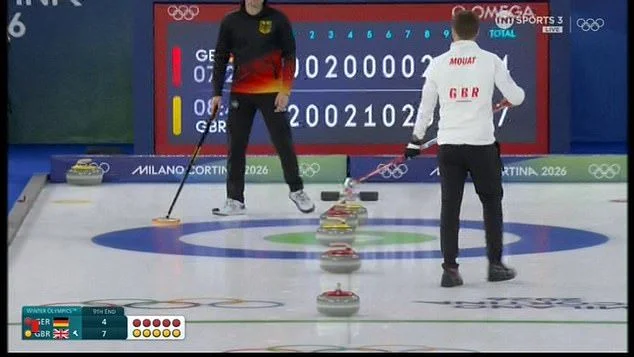
The allegations subsequently broadened to include the British men's team. Reports indicate that Team GB has also been accused of the same "double-touching" violation. This has placed Great Britain directly within the unfolding controversy that initially centered on Canadian teams.
Read More: Kerri Einarson's Canada curling team reaches World Championship semifinals in Calgary March 21
Evidence and Perceptions
Central to the accusations are interpretations of video footage and on-ice observations.
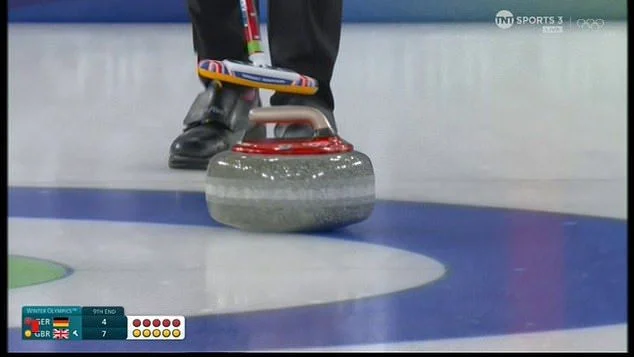
Video Evidence: Social media and television broadcasts have been scrutinized for images that appear to show athletes making contact with the stone after release. In the case of Marc Kennedy, some viewers and opponents believed they saw him give a stone an "extra push with his finger" to alter its course.
Electronic Sensors: Each stone is equipped with a sensor that signals if the player has released the handle before the hog line. A green signal indicates a valid release. However, it's alleged that "double-touching" might occur with the fingers on the stone itself, not the handle, potentially bypassing the sensor and avoiding a red light.
On-Ice Officiation: The World Curling Federation has directed umpires to monitor play more closely. The incident involving Rachel Homan’s stone being removed suggests officials are actively applying the rule. However, the consistency of officiating has been questioned by some, including Pablo Lachat-Couchepin of Switzerland, who noted, "If they are going to do that you need to be consistent."
Differing Views on Rule Enforcement and Technology
The situation has highlighted a division within the curling community regarding how such infractions should be handled and whether technological aids are appropriate.
Video Replays: There is no consensus on whether video replays should be used to review close calls. World Curling currently does not employ video replays for gameplay adjudication. This stance leaves decisions to the on-ice umpires and the interpretation of available evidence.
Player Reactions: Accused athletes have expressed frustration. Marc Kennedy stated, "I’ve never said a bad word about Oskar Eriksson. So I told him where to stick it… I’m not going to stand there and take cheating lightly.” Conversely, the Swedish team maintained their belief that Kennedy was making illegal touches.
Former Olympian's Perspective: Jackie Lockhart, a former GB Olympic curler and co-commentator, remarked, "Not again," during the controversy involving the Canadian women's team, indicating a recognition of the pattern of alleged infractions.
Implications for Team GB and Future Play
The inclusion of Team GB in these "double-touching" allegations signifies a broadening of the controversy beyond initial accusations against Canadian athletes.

The British men's team now faces the same level of scrutiny as the Canadian teams. This development underscores the intense competitive environment and the strict interpretation of rules within elite curling.
Rule Consistency: The emphasis on consistent officiating is paramount. Athletes and observers are looking for clear and fair application of the "double-touching" rule across all matches and teams.
Potential for Disqualification: A confirmed violation of the "double-touching" rule results in the stone being removed from play, which can have a significant impact on a game's outcome.
Reputational Impact: Such allegations, regardless of definitive proof, can cast a shadow over teams and the sport itself, prompting discussions about fairness and the integrity of competition.
The ongoing scrutiny and debate surrounding these "double-touching" incidents indicate a critical period for the sport, with a focus on fair play and the precise adherence to its rules.
Sources
Team GB are dragged into Winter Olympics curling cheating scandal: Published 6 minutes ago. https://www.dailymail.co.uk/sport/winterolympics/article-15563675/Team-GB-dragged-Winter-Olympics-curling-cheating-scandal-caught-TV-Canada-double-touching-drama.html
Inside the widening Olympic curling controversy and allegations of cheating: Published 10 hours ago. https://www.abc.net.au/news/2026-02-16/winter-olympics-curling-cheating-allegations-explained/106349394
Winter Olympic curling scandal grows as Great Britain dinged for same violation as Canadian teams: Published 15 hours ago. https://nypost.com/2026/02/15/sports/olympic-curling-scandal-grows-as-great-britain-dinged-for-same-violation-as-canada/
Team GB Dragged Into Winter Olympics Curling Row After Rule Break: Published 39 minutes ago. https://www.sportbible.com/other/winter-olympics-cheating-team-gb-068645-20260216
Winter Olympics 2026: Canada accused of cheating again in curling row: Published 2 days ago. https://www.bbc.co.uk/sport/articles/cjen94eg9nko
‘I told him where to stick it’: cheating claims fly in Canada v Sweden Winter Olympics curling clash: Published 2 days ago. https://www.theguardian.com/sport/2026/feb/13/canada-sweden-curling-cheating-allegations-winter-olympics
:max_bytes(150000):strip_icc():focal(997x455:999x457)/Lindsey-Vonn-2025-ESPYs-022626-82abd0f59f2b4beaa1ce353614365866.jpg)



:max_bytes(150000):strip_icc():focal(749x0:751x2)/lindsey-vonn-milano-cortina-2026-winter-olympic-games-020926-5-64a7c1c748e34a03943dac62412ab66b.jpg)


