


The competitive spirit of the Winter Olympics has been shadowed by a growing controversy within the curling arena, involving accusations of rule violations between top-tier teams. At the heart of the dispute are allegations of "double-touching" curling stones, a maneuver that could offer an unfair advantage. These claims have led to tense exchanges and are now prompting scrutiny of established protocols and the integrity of the sport's oversight.
Context of the Controversy
The present situation began to unfold during matches at the Winter Olympics. Canada's curling teams, historically a dominant force in the sport, have become central figures.
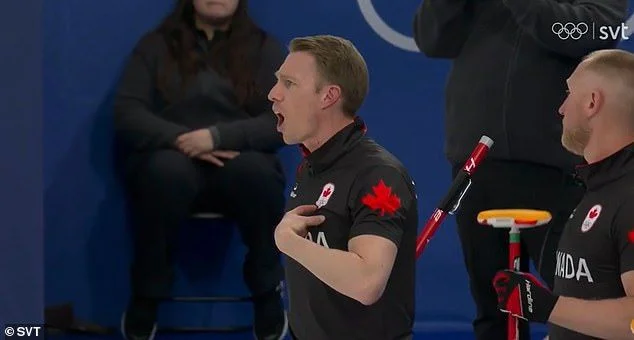
Initial Accusations: Sweden's team accused Canadian curler Marc Kennedy of illegally touching his stone during a match. This infraction, known as "double-touching," involves touching the curling stone again after its initial release, potentially to alter its course.
Video Evidence: TV footage from the match between Sweden and Canada reportedly shows Kennedy's stone. While sensors on the stones are designed to indicate a clean release before the "hog line," opponents felt they observed Kennedy giving his stone an extra push with his finger after letting go of the handle. The sensor on Kennedy's stone registered green, indicating a correct release, but the visual evidence from the broadcast was interpreted by opponents as supporting their claim.
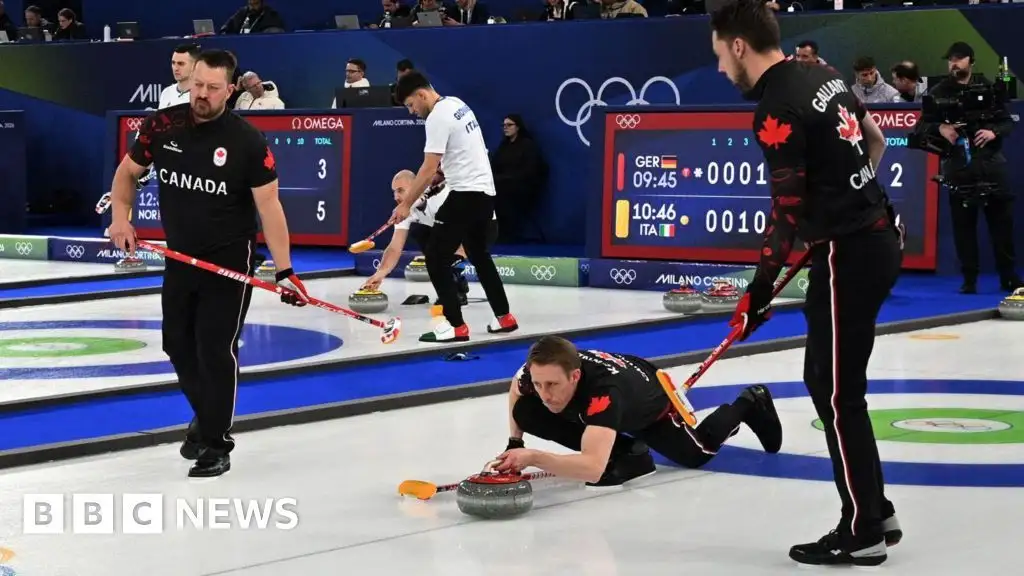
Broader Allegations: The controversy has expanded beyond the Sweden-Canada match. Both the Canadian men's and women's teams, and reportedly the British men's team, have faced similar accusations of double-touching.
Team Responses: Canadian teams have vehemently denied the accusations. Marc Kennedy expressed strong displeasure, stating, "I don't like being accused of cheating after 25 years on tour and four Olympic Games." He also suggested a potential "setup" and "premeditated" plan. Canada also accused an Italian player, Joel Retornaz, of a similar infraction.
Official Statements: World Curling has acknowledged the situation, issuing statements that explain the limitations of game umpires. They noted that umpires are situated at the end of the ice sheet and cannot observe every delivery infraction. Furthermore, World Curling currently does not use video replay to re-examine game decisions. Decisions made during a game are considered final.
Evidence of Allegations and Counter-Allegations
The core of the dispute rests on interpretations of player actions during matches and the subsequent reactions.

Visual Evidence: Television broadcasts have become a focal point. Reports suggest that video evidence from the Sweden-Canada game appears to show Marc Kennedy touching the stone after releasing it. This visual, combined with opponent observations, forms a significant part of the accusations.
Sensor Data: Each curling stone is equipped with a sensor. This sensor should activate to show a green light if the player releases their grip on the handle before crossing the hog line. In the instances involving Kennedy, the sensor reportedly showed green. This has led to a discrepancy between the sensor data and the visual interpretations by opposing teams.
Verbal Exchanges: Tensions escalated during some matches, leading to heated exchanges. Reports mention a "NSFW" (not safe for work) verbal exchange between teams, which resulted in a warning from World Curling officials. Marc Kennedy was quoted responding forcefully to accusations, saying, "You can f* off."
Counter-Accusations: The Canadian team has also leveled accusations against opponents. Specifically, one of the Canadian curlers reportedly accused Italian player Joel Retornaz of touching a stone after its release, making a gesture with their finger.
Disputed Interpretations of Rule R.5 (d)
The central point of contention revolves around the interpretation and enforcement of curling's rules regarding stone delivery.
| Aspect of Rule | Official Rule | Accusation Against Canada | Canadian Defense/Counter |
|---|---|---|---|
| Stone Delivery | Rule R.5 (d): The curling stone must be delivered using the handle of the stone. | Marc Kennedy accused of "double-touching" – touching the stone again after release to correct its course. | Kennedy denies cheating; suggests a setup. Sensor data shows a correct release. |
| Visual Observation | Opponents claim to see extra finger push after handle release. | Opponents believe visual evidence supports the "double-touching" claim. | Canadian team claims visual interpretations are flawed or misleading. |
| Sensor Technology | Sensors confirm release before the hog line. | Sensor shows green, but visual cues from opponents override this for them. | Sensor data, a technological measure, supports the Canadian claim of a clean release. |
| Enforcement Protocol | Game umpires cannot see every infraction; video replay is not used for re-officiating. | Accusations made based on real-time observation and video review by opponents. | Accused teams argue that without clear, undisputed proof or a formal review process, accusations should not stand. |
World Curling's Stance and Operational Limits
World Curling's official statements highlight the practical challenges in officiating curling matches, particularly concerning alleged minor infractions.
Umpire Limitations: A key statement from World Curling emphasizes that "Game Umpires are situated at the end of each sheet and physically cannot see every delivery infraction." This acknowledges a significant gap in direct, consistent observation.
Absence of Video Replay: The organization explicitly states, "World Curling does not currently use video replay to re-umpire game decisions." This means that decisions made during a game, including those not formally protested or adjudicated on the spot, are generally considered final, even if later scrutiny of broadcasts suggests an issue.
Finality of Decisions: "Decisions made during a game are final," according to World Curling's stance. This policy limits the ability to revisit or overturn outcomes based on subsequent analysis of video footage by external parties or even teams themselves.
Impact on Team Canada and Sport's Reputation
The controversy has placed Canada's historically esteemed curling teams in an uncomfortable spotlight, leading to discussions about sportsmanship and national image.
Reputational Damage: The accusations have caused unease in Canada, with some expressing that the focus on the controversy detracts from the broader national image. "Stop acting like our curling reputation matters more than our national one," a citizen commented.
Defensive Posture: Canada's curling teams, accustomed to dominance, now find themselves on the defensive, facing questions about their tactics and the integrity of their play.
Sportsmanship Debate: The incident has fueled a broader conversation about the essence of sport. For some, like Dwayne from British Columbia, the focus on rule adherence at the expense of fair play is detrimental: "Without sportsmanship, said Dwayne from British Columbia, it's not sport any more."
Conclusion and Next Steps
The curling controversy at the Winter Olympics involves serious allegations of rule violations, specifically "double-touching" of stones, with conflicting evidence and interpretations.
Core Dispute: Sweden accused Canada's Marc Kennedy of double-touching, citing visual evidence. Canada denies the allegations, pointing to sensor data and suggesting a deliberate attempt to discredit their team.
Procedural Gaps: World Curling's admission of umpire limitations and the absence of video replay for re-officiating highlight a systemic challenge in definitively resolving such disputes in real-time.
Future Implications: The situation has put a strain on international sporting relations and raised questions about the transparency and effectiveness of officiating in high-stakes competitions.
Uncertainty: It remains unclear whether any formal sanctions will be applied, given the limitations in the current officiating framework. The counter-accusations also complicate a straightforward resolution.
Primary Sources:
Context: Reports on Marc Kennedy's strong reaction to accusations and broader claims involving other teams.
NBC New York: https://www.nbcnewyork.com/olympics/2026-milan-cortina/canada-curling-cheating-scandal-video-explain-what-happened/6462263/
Context: Explains the "double-touching" infraction and how it has embroiled both Canadian men's and women's teams.
Context: Details the unease and public reaction in Canada regarding the cheating row and its impact on national sportsmanship perception.
BBC Sport: https://www.bbc.co.uk/sport/articles/cjen94eg9nko
Context: Focuses on Marc Kennedy's accusation, the role of stone sensors, and how TV pictures are being interpreted as evidence.
Associated Press (AP): https://apnews.com/article/winter-olympics-curling-controversy-8b7acc54e259344fb3fcfa68343af5ec
Context: Provides an overview of the widening controversy, naming the Canadian men's and women's teams, and the British men's team as facing similar allegations.
CNN: https://edition.cnn.com/2026/02/14/sport/winter-olympics-curling-canada-sweden
Context: Details the statement from World Curling regarding umpire limitations and the non-use of video replay for game decisions.
Context: Positions Canada at the center of the curling controversy at the Winter Olympics.
Context: Explains the dispute between Sweden and Canada, referencing Rule R.5 (d) and mentioning a verbal warning issued by World Curling.


