The 2026 Adelaide Writers’ Week, a major literary event in Australia, was canceled after the festival board removed Palestinian-Australian author Dr. Randa Abdel-Fattah from the program. This decision caused a swift and massive reaction from the international writing community. Within days, over 180 speakers—including world-famous authors like Zadie Smith and former New Zealand Prime Minister Jacinda Ardern—withdrew their participation. The event's collapse led to the resignation of the festival director and the entire board, raising serious questions about how arts organizations handle political pressure and the rights of authors to speak.
Timeline of Events and Key Figures
The collapse happened quickly over the second week of January 2026.

January 8, 2026: The Adelaide Festival board announced that Dr. Randa Abdel-Fattah would no longer be part of the program. They cited "cultural sensitivity" following a recent terror attack in Bondi, though they admitted she had no connection to that event.
January 9–12, 2026: A wave of high-profile authors, including Zadie Smith, Percival Everett, and Helen Garner, joined a boycott. They argued that removing a writer based on their political views was a form of censorship.
January 13, 2026: With nearly 200 speakers gone, the festival was officially canceled. Festival Director Louise Adler resigned, stating she disagreed with the board’s decision to remove the author.
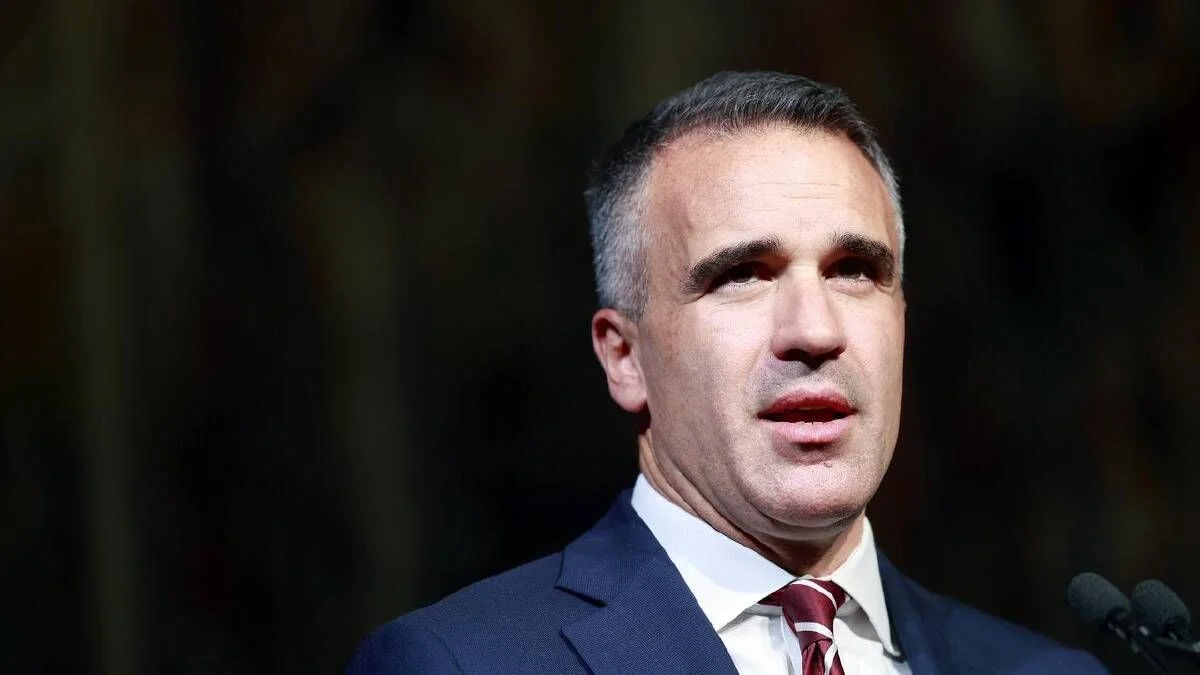
January 14–16, 2026: The South Australian Premier, Peter Malinauskas, supported the board's decision, while the board eventually issued an apology to Dr. Abdel-Fattah for how the situation was handled.
Core Evidence and Documentation
The following facts are established through official statements and public records:
Official Reasoning: The board’s statement on January 8 claimed it was not "culturally sensitive" to host Abdel-Fattah because of her past statements regarding the conflict in Gaza and her views on Zionism.
Scale of Protest: More than 180 speakers withdrew. This included international stars and local Australian writers like Trent Dalton.
Governance Failure: Reports indicate that no artists or writers sat on the Adelaide Festival board. The decisions were made by members with backgrounds in business and law rather than arts management.
Financial and Legal Impact: Dr. Abdel-Fattah has initiated legal "concerns notices" for defamation against Premier Peter Malinauskas following his public comments about her.
Comparing Viewpoints: Safety vs. Free Speech
| Perspective | Core Argument | Key Quote/Source |
|---|---|---|
| The Festival Board | The decision was about "cultural safety" and avoiding public distress after a national tragedy. | "It would not be culturally sensitive to continue to program her at this unprecedented time." |
| The Authors | Removing a writer for their political identity or speech is a dangerous "mob logic" that destroys the purpose of a writers' week. | Zadie Smith stated she "does what she likes" and chose to stand with the excluded writer. |
| Government Officials | The Premier argued that the author’s previous comments made some community members feel unsafe. | Peter Malinauskas stated the board "made the right call" regarding cultural safety. |
| The Director | The board overstepped its role by interfering in the artistic program. | Louise Adler resigned because she believed the board’s role is governance, not choosing who speaks. |
Probing the Reasoning of the Board
The central question in this investigation is why the board linked a literary discussion to a specific terror attack when no factual connection existed.
Read More: The Art of Star Wars Andor book reveals show production secrets

"Whilst we do not suggest in any way that Dr. Randa Abdel-Fattah… has any connection with the tragedy at Bondi… we have formed the view that it would not be culturally sensitive to continue to program her."
Was this decision based on a genuine fear for public safety, or was it a response to pressure from lobby groups? Evidence shows that the Jewish Community Council for South Australia had written to the board asking for her removal. This raises the question of whether the board's primary goal was "sensitivity" or the avoidance of political discomfort.
The Conflict of Professional Roles
A significant point of tension was the divide between the board and the festival’s artistic leadership. In professional arts organizations, boards usually look after money and legal rules, while the director chooses the artists.

Observation: By removing Abdel-Fattah, the board performed a task usually reserved for the Director.
Signal: The resignation of Louise Adler suggests a complete breakdown in the professional relationship between those who pay for the festival and those who create it.
Result: The total resignation of the board on January 14 indicates that the organization's leadership was no longer considered capable of managing the event.
Perspectives on "Hypocrisy"
Some critics, as noted in reports from UnHerd, suggested that the outcry from the writing community was one-sided. They pointed out that Dr. Abdel-Fattah had herself supported the removal of other writers from festivals in the past. This view suggests that the debate is not just about free speech, but about which voices are protected by the "literary elite." However, the authors who walked out framed their choice as a defense of the principle that a festival must be a place for all legal speech, even if it is unpopular.
Read More: Hunter Region Gets $12 Billion Train Factory
Investigator’s Analysis
The collapse of the 2026 Adelaide Writers’ Week serves as a clear example of what happens when the governance of an arts organization clashes with the values of the artists it employs.
Expert analysis from The Conversation suggests that the board failed in its primary duty to protect the organization. By making a political decision, they triggered a "contagion" effect where one withdrawal led to another. The primary failure appears to be a lack of understanding of the "solidarity" common in the writing world. When high-profile figures like Zadie Smith and Jacinda Ardern left, the event lost its legitimacy.
Findings:
Direct Cause: The board's decision to disinvite Dr. Abdel-Fattah on political grounds.
Impact: Total cancellation of the event and a loss of international reputation for the Adelaide Festival.
Governance Issue: A board without artistic representation made a choice that the artistic community found unacceptable.
Next Steps:The South Australian government has appointed a new board. Their first task will be to rebuild trust with international publishers and authors. There is also the matter of the ongoing defamation legal action between the author and the Premier, which will likely keep this event in the public eye for many months.
Read More: Sharon Virts Gives Away Revolutionary War Novel in June 2026
Sources Used
CNN: Literary festival axed after high profile authors join mass walkout - Context on the cancellation and board statement.
The Sydney Morning Herald: Star British author Zadie Smith joins dozens of authors boycotting - Details on the high-profile withdrawals.
The Conversation: ‘Masterclass in poor governance’: what was the board’s role? - Expert analysis on the organizational failure.
BBC News: Randa Abdel-Fattah: How Adelaide Writers' Week imploded - Timeline and comments from the author.
The Leader: War of words overshadows dumped author's apology - Details on the legal threats and the Premier's stance.
UnHerd: Adelaide festival cancellation exposes progressive hypocrisy - Opposing view on free speech and the author's history.