Reports indicate that Sony may postpone the launch of the PlayStation 6 (PS6) to 2028 or 2029. This potential delay is linked to a significant increase in demand for memory chips, primarily driven by the rapid expansion of artificial intelligence (AI) data centers. This surge in demand is reportedly causing a shortage and driving up prices for essential components used in consumer electronics, including gaming consoles.

Background of Component Scarcity and Industry Impact
The possibility of a delayed PS6 launch is not an isolated issue. Several reports point to a wider industry challenge caused by the increasing demand for memory components.

Shifting Production Priorities: Major memory chip manufacturers, such as Samsung, SK Hynix, and Micron, are redirecting a substantial portion of their production capacity towards high-bandwidth memory (HBM) for AI applications. This HBM is a key component for advanced AI chips used by tech giants like Nvidia.
Impact on Consumer Electronics: This shift leaves less capacity for memory chips needed in consumer electronics, including smartphones, laptops, and gaming consoles like the PlayStation and Nintendo Switch.
Rising Costs: The reduced supply and increased demand are leading to higher prices for these memory components. This forces companies to either absorb the increased costs, potentially impacting profitability, or pass them on to consumers through higher product prices.
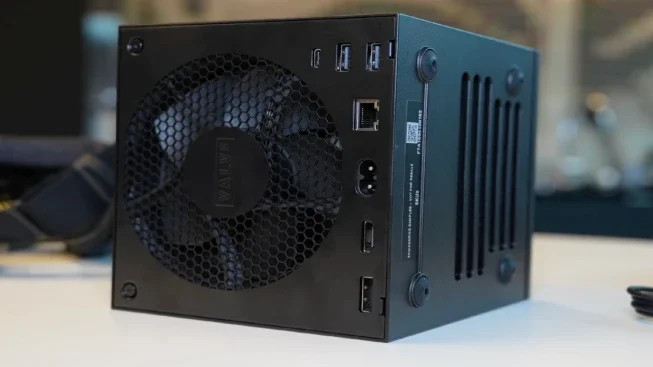
Industry-Wide Effects: This situation is affecting other gaming hardware as well. For example, Valve has confirmed intermittent stock issues for its Steam Deck OLED due to memory and storage shortages and has discontinued certain models of the Steam Deck LCD.
Evidence of a Potential PlayStation 6 Delay
Multiple reports, largely referencing a Bloomberg investigation, suggest Sony is actively considering a shift in its PS6 release timeline.
Read More: How Mellow's Indie Launchpad Helps Small Game Studios Hire Workers

Reported Timeline Adjustments: The most frequently cited potential new launch windows for the PlayStation 6 are 2028 or 2029. This marks a departure from the expected release based on previous console generation cycles.
Unwillingness to Absorb Costs: Reports suggest Sony is facing a difficult choice: either absorb the rising memory costs, which could lead to significant financial losses on console sales, or increase the retail price of the PS6. The latter could potentially alienate consumers.
Longer PS5 Generation: If the PS6 is indeed delayed, the current generation of the PlayStation 5 (PS5) could become the longest-lasting in PlayStation history, potentially exceeding the typical seven-year cycle.
Nintendo's Countermeasures and Industry Responses
The memory chip shortage is also putting pressure on Nintendo, potentially influencing its product strategy.

Nintendo Switch 2 Pricing Concerns: Reports indicate that Nintendo is contemplating a price increase for its upcoming Switch 2 console due to the scarcity of memory chips. This consideration comes despite earlier indications that a price hike might not be imminent.
Broader Corporate Awareness: Major technology companies, including Apple and Tesla, have publicly warned that memory shortages could constrain their future production capabilities. This suggests a widespread understanding of the issue across the industry.
Expert Opinions: Analysts like David Gibson have noted that while Sony's existing inventory might shield it from immediate performance impacts, increased memory costs could become a concern for the company in the next fiscal year, potentially leading to price adjustments passed on to consumers.
Deep Dive: The AI Data Center Demand
The core driver behind the current memory chip scarcity is the explosive growth and investment in AI technology.
Read More: How the eSafety Commissioner's Power Was Limited in Online Speech Case
Massive Infrastructure Investment: Companies like Alphabet, Amazon, Microsoft, and Meta are investing billions of dollars into building and expanding AI data centers. These facilities are essential for training and running complex AI models.
High Memory Requirements for AI: These data centers utilize specialized hardware, including AI accelerators and GPUs, which require enormous amounts of high-bandwidth memory (HBM). For instance, Nvidia's H100 and newer Blackwell chips have driven unprecedented demand for HBM.
Economic Incentives for Chipmakers: Producing HBM for AI applications is currently more profitable for chip manufacturers than producing memory for traditional consumer electronics. This economic incentive is the primary reason for the shift in production focus.
Deep Dive: "RAMmageddon" and its Ramifications
The term "RAMmageddon" has been used to describe the current situation, highlighting the severity of the memory chip shortage and its widespread impact.
Read More: Quebec Games Celebration Sale Offers Discounts on Over 300 Games and New Live Showcase
Constraining Production: The shortage is not a short-term issue, as stated by Lenovo CEO Yang Yuanqing. It is expected to continue to affect the availability and cost of components.
Impact on Gaming Console Profitability: Gaming consoles are typically sold with relatively thin profit margins. Increased component costs directly put pressure on these margins, making it harder for companies like Sony to maintain their usual pricing and profitability strategies.
Potential for Price Increases: As evidenced by Nintendo's potential price hike for the Switch 2 and reports about Microsoft considering price increases for its Xbox Series X/S, the rising cost of memory is likely to translate into higher prices for consumers across the gaming market.
Expert Analysis and Industry Signals
Industry experts and corporate communications offer further context to the reported PS6 delay.
Read More: How X Platform Outage on January 16, 2026, Affected Users Worldwide
Official Silence: Neither Sony nor Nintendo has publicly commented on these reports or responded to requests for statements, a common practice when navigating sensitive product development and supply chain issues.
Past Rumors: The current reports align with earlier rumors circulating in late 2023, suggesting that this memory constraint issue has been on the radar for some time.
Strategic Considerations: A potential delay for the PS6 represents a significant strategic challenge for Sony. It could disrupt their carefully planned hardware release cycles and efforts to maintain user engagement between console generations.
Conclusion and Outlook
The available evidence strongly suggests that the burgeoning demand for memory chips by AI data centers is creating significant supply chain pressures within the consumer electronics sector, with gaming consoles being particularly affected.
Likely Delay: Reports from multiple reputable sources indicate that Sony is considering delaying the PlayStation 6 launch to 2028 or 2029 due to these memory shortages and rising costs.
Broader Industry Impact: This is not an isolated event. Nintendo is reportedly considering a price increase for the Switch 2, and other technology companies are also facing production constraints.
Uncertainty Remains: Without official confirmation from Sony or Nintendo, the exact timeline and final decisions remain subject to ongoing developments in the global semiconductor market and the strategic responses of these major companies. The situation highlights a broader shift in semiconductor industry priorities, favoring high-margin AI components over traditional consumer electronics.
Key Sources and Their Context
Bloomberg Report: This report is consistently cited across most articles as the primary source for the information regarding Sony's potential PS6 delay and Nintendo's considerations. It appears to be based on discussions with individuals familiar with the companies' internal thinking and market dynamics.
Example Articles Citing Bloomberg: 1, 3, 4, 10, 11, 12, 13, 16, 17
Specific Companies Mentioned:
Sony: The primary focus of the reports, detailing potential delays for the PlayStation 6.
Nintendo: Mentioned in relation to potential price increases for the Switch 2.
Valve (Steam Deck): Experiencing current stock issues attributed to memory shortages, illustrating the immediate impact.
Nvidia: Its AI chips (H100, Blackwell) are central to the demand for HBM.
Samsung, SK Hynix, Micron: The key memory manufacturers reallocating production.
Alphabet, Amazon, Microsoft, Meta: Tech giants investing heavily in AI data centers.
Apple, Tesla: Corporations that have issued warnings about memory shortages impacting production.
Lenovo: CEO's comments confirm the ongoing nature of the shortage.
Key Terminology:
AI Data Centers: The primary consumers of high-bandwidth memory (HBM).
High-Bandwidth Memory (HBM): A type of memory optimized for AI and high-performance computing.
"RAMmageddon": A colloquial term used to describe the severe memory chip shortage.
Supply Chain: The network of organizations involved in producing and delivering a product.
Read More: GameHub App Coming to Mac: How Mac Users Can Play More Windows Games