A profound disconnect persists between the core tenets of feminism and its public perception, leaving many hesitant to embrace the label despite supporting its underlying principles. The notion that women deserve equal rights, fair pay, safe communities, and access to opportunity is widely acknowledged. Yet, the word "feminist" itself often conjures images of extremism, anger, and a rejection of societal norms, a stark contrast to the fundamental belief in gender equality. This psychological resistance, amplified by social media narratives and historical baggage, creates a peculiar phenomenon where individuals align with feminist ideals but recoil from the term.
The public image of feminism is heavily shaped by contrasting stereotypes, often bifurcated into a "rational" and "threatening" figure. This dichotomy, described as a "Jekyll and Hyde" model, presents the "liberal feminist" as a benign figure, posing no real challenge to the status quo, and the "extremist feminist" as a monstrous, unfeminine entity demanding rapid change. Fear of being categorized with the latter, and consequently subjected to public ridicule, leads many to avoid identifying as feminists, even when their beliefs align with the movement's goals. This evasion is not necessarily a rejection of equality but rather a strategic maneuver to sidestep negative social judgment.
Read More: WNBA Players Face Online Harassment Increases in April 2026
Historical Divides and Evolving Ideals
The very definition and application of feminism have also been sites of internal debate and fragmentation, contributing to its contested meaning. Historical accounts reveal that early feminist movements, particularly in Australia, were largely white-led, inadvertently marginalizing the experiences and activism of women of color. Indigenous academic Jackie Huggins notes the unfortunate reality that "white women were not sincerely committed to bonding with black women to fight sexism." This lack of genuine solidarity and the prioritization of certain oppressions over others has led to a critique of "hegemonic feminism" and a call for a more inclusive and intersectional approach.
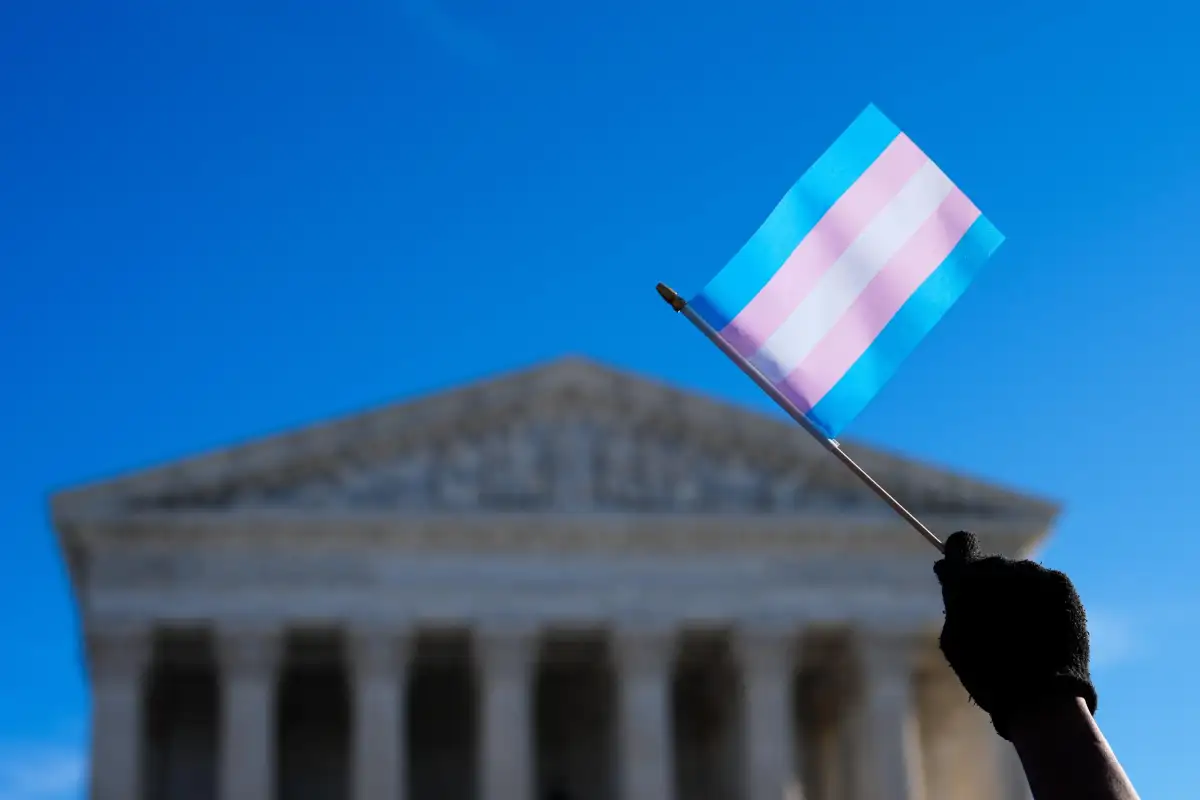
The discourse around feminism has also fractured over specific ideological stances, notably regarding the inclusion of transgender women. The emergence of "gender-critical feminism" has, in some circles, sought to reassert a view of women as a distinct "sex class." This ideological divergence, while advocating for the continued liberation of women, presents a different vision of feminism than that held by those who champion a more inclusive definition. These internal debates, though sometimes framed as theoretical, have tangible consequences for how the movement is perceived and who feels welcome within it.
Read More: Objectification Power Myth Questioned by New Research
The Power of Perception and Social Media
The persistent apprehension surrounding the word "feminist" is undeniably fueled by how it is presented in popular culture and on social media. The term is often aggressively and gleefully demonized, creating an inaccurate yet persuasive image of feminism as anti-men, detrimental to women, or simply unhelpful. This negative portrayal, despite its divergence from the movement's core principles, has been remarkably successful in dissuading individuals from identifying with the label. The psychological analysis of why people distance themselves from feminism suggests that while support for gender equality remains, the associated negative connotations are too potent to overcome for many.
Ultimately, the struggle with the word "feminist" highlights a broader societal discomfort with fully embracing the implications of gender equality. It underscores a pattern where individuals may readily agree with the outcomes advocated by feminism – safety, fairness, opportunity – while actively avoiding the identity associated with achieving them. This creates a paradoxical situation where the movement's goals are embraced by many, but the very word that encapsulates them remains a point of contention and avoidance, a testament to the enduring power of perception and the complex, often contested, evolution of social and political language.
Read More: Supreme Court Allows States to Ban Transgender Girls from Female Sports