The Tamil Nadu State Commission for Scheduled Castes has formally requested reports from election officials regarding the continued use of caste-associated designations for localities within electoral rolls. This comes as a stark indicator of the sluggish pace in addressing the legacy of caste-based nomenclature that permeates various facets of public life in the state. A notice issued to the Coimbatore Collector on April 27, 2026, highlights the specific instance of a polling station bearing a name linked to a particular caste, underscoring a failure to implement directives aimed at purging such identifiers.
This latest action by the commission echoes broader, ongoing concerns. In June 2024, a panel urged the Tamil Nadu government to actively prohibit caste identifiers among students, to cleanse school names of caste appellations, and to introduce legislation promoting social inclusion. The report, submitted to Chief Minister M.K. Stalin, emphasized the removal of caste names from educational institutions, with a call for action against private schools that fail to comply. A more far-reaching recommendation was the enactment of dedicated legislation to enforce social inclusion and dismantle caste discrimination.
Read More: WNBA Players Face Online Harassment Increases in April 2026
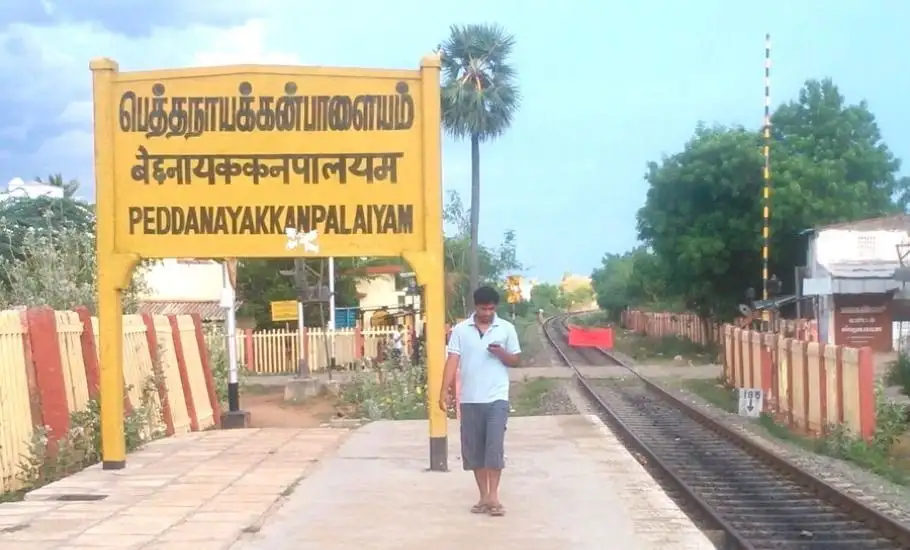
The persistence of caste-based place names is not a novel issue. Reports from August 2025 indicate that the National Human Rights Commission (NHRC) also sought action-taken reports on derogatory caste-indicative village and locality names across India. The NHRC stressed its authority to investigate such matters, urging concerned authorities to compile lists of public spaces with such names and to detail the measures being undertaken for their removal. This push from the NHRC aims to dismantle systemic discrimination embedded in geographical and administrative naming conventions, aligning public spaces with constitutional values.

The Challenge of Renaming and Registration
Efforts to rename places in Tamil Nadu have met with limited success when caste tags are involved. Hundreds of localities still bear names derived from specific castes, such as Arunthathipuram or Chettipalayam, which was altered to Settipaalayam. While governments have managed to remove caste surnames from areas named after leaders, those with inherent caste tags have proven more resistant.
Read More: High Court Questions Waqf Board Structure Without Non-Muslim Members
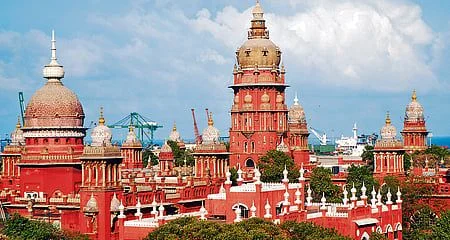
The judicial arm has also weighed in. In February 2025, the Madras High Court questioned the Tamil Nadu government’s inability to remove caste names from government-run educational institutions, drawing parallels to the successful removal of such tags from street names. The court observed that even street renaming efforts had involved dropping the second name, often the caste tag, to identify them by the prominent person’s first name. This raises questions about why educational institutions, particularly certain welfare schools, continue to bear caste-affiliated names despite societal shifts.
The complexity extends to official documentation and the very definition of Scheduled Castes. In February 2025, the Supreme Court directed the Centre to consider modifying the nomenclature used in caste certificates for Scheduled Castes, while ensuring that the rights and benefits associated with these categories remain intact. The Centre had previously stated that such changes could affect benefits derived from SC/ST status. Advocate Harish Pandey suggested issuing general SC/ST certificates without specifying sub-castes.
Read More: Supreme Court Allows States to Ban Transgender Girls from Female Sports
Adding another layer of legal intricacy, a Supreme Court ruling in July 2024 affirmed that states lack the authority to alter the Scheduled Caste list as published under Article 341 of the Constitution. Any modifications require an amendment by Parliament. More recently, a seven-judge bench in an unspecified decision overruled the E.V. Chinnaiah judgment, holding that sub-classification within Scheduled Castes is constitutionally permissible. This judgment also touched upon the applicability of the ‘creamy layer’ principle to Scheduled Castes and Scheduled Tribes.
The Government of India’s Department of Social Justice and Empowerment maintains lists of Scheduled Castes, updated through various Constitutional Amendment Acts, including those from 2021, 2022, 2023, and 2024. The official documentation notes a prohibition against using terms like 'Dalit', 'Harijan', or 'Girijan' for members of Scheduled Castes, while also addressing complexities surrounding caste certificates for migrants and individuals of Buddhist religion. The National Commission for Scheduled Castes (NCSC), meanwhile, has been actively engaged in commemorating constitutional milestones and events related to Dr. B.R. Ambedkar and Sardar Vallabhbhai Patel.
Read More: Australia's Flat Land and Federal Government Explained