Micro-dramas, characterized by their short, vertical video format and serialized storytelling, are becoming a notable trend in digital entertainment. These productions, often lasting only one to five minutes per episode, are designed for quick consumption on mobile devices and leverage suspense to encourage viewers to watch subsequent episodes. This format has led to significant growth for platforms offering these dramas and has attracted advertisers looking for engaging content. However, the rapid rise of micro-dramas is also accompanied by concerns regarding the increasing use of artificial intelligence (AI) in production and the business models employed by some platforms.
Format and Consumption
Micro-dramas are built to fit the way many people consume media today, using mobile phones as the primary viewing device.
Short Episodes: Each episode typically lasts between one and five minutes.
Vertical Orientation: The videos are shot and presented vertically, optimizing them for smartphone screens.
Serialized Storytelling: Episodes are part of a larger narrative, often ending on cliffhangers.
Mobile-First Design: This format caters to "micro-moments," such as commutes or short breaks.
These elements contribute to the addictive nature of micro-dramas, as viewers are drawn into suspenseful stories that can be easily consumed in short bursts of time. Platforms like ReelShort, FlickReels, DramaBox, Douyin, Kuaishou, and WeChat Video Channels are prominent in offering this type of content.
Read More: Today Show Digital Content: Wellness, Recipes, Jokes on June 7
Production and Technology
The production of micro-dramas is evolving, with AI playing an increasingly significant role.
AI Integration: Creators are using AI for various stages of production, including scriptwriting (e.g., ChatGPT), image generation (e.g., Midjourney), video creation from images (e.g., Kling), and soundtrack composition (e.g., Suno).
Reduced Costs: AI tools can lower production expenses by reducing the need for manpower, editing, and script development.
Concerns about AI: The use of AI raises questions about job displacement for actors and screenwriters. There are also concerns about copyright infringement, stemming from the data used to train AI models.
While AI offers efficiency and cost savings, its implementation is a subject of ongoing discussion within the creative industries.
Audience and Business Models
Micro-dramas have cultivated a dedicated audience, with a notable majority being women.
Dominant Genre: Romance is a common genre within micro-dramas, likely contributing to their appeal to a female audience.
Revenue Generation: Platforms often employ weekly subscription models, which can be costly for frequent viewers. This monetization strategy has drawn some criticism for potentially relying heavily on the most engaged users.
Advertiser Appeal: The high engagement and shareable nature of micro-dramas make them attractive for brands seeking integration opportunities.
The success of micro-dramas highlights a shift in audience preferences towards easily digestible, mobile-optimized content.
Industry Impact and Future Outlook
The rise of micro-dramas suggests a potential disruption in the streaming landscape, moving away from traditional long-form content.
New Storytelling Grammar: Some industry observers believe micro-dramas could establish a new standard for storytelling on digital platforms, akin to how Netflix influenced binge-watching or TikTok redefined engagement.
Economic Shift: This format represents a change in storytelling economics, emphasizing lean production and high volume.
Competitive Edge: The combination of micro-dramas with AI technology is seen by some as a powerful strategy for businesses to gain a competitive advantage in the short-form video market.
While the long-term impact remains to be fully seen, micro-dramas are demonstrating their ability to capture audience attention and generate substantial revenue, indicating their potential to reshape how short-form video content is created and consumed.
Sources Used:
NPR (March 19, 2025): "Told one minute at a time, micro dramas are soap operas designed to fit in your hand" - Provided details on the format, platforms, and audience demographics of micro-dramas. https://www.npr.org/2025/03/19/nx-s1-5330470/micro-drama-soap-opera-app
France24 (November 7, 2025): "Chinese microdrama creators turn to AI despite job loss concerns" - Focused on the use of AI in micro-drama production, including specific tools and concerns about job losses and copyright. https://www.france24.com/en/live-news/20251107-chinese-microdrama-creators-turn-to-ai-despite-job-loss-concerns
Marketing4Ecommerce (June 10, 2025): "What are chinese micro-dramas and why are they so popular" - Explained the addictive factors, format, and viewing platforms for micro-dramas, particularly in China. https://marketing4ecommerce.net/en/what-are-chinese-micro-dramas/
JACK MYERS KnowledgeExchange (November 3, 2025): "Vertical Micro-Dramas — Hollywood’s Small-Screen Big Bet" - Discussed the mobile-first, vertical design of micro-dramas and their appeal to advertisers and specific platforms. https://www.jackmyers.com/2025/11/03/vertical-micro-dramas-hollywoods-small-screen-big-bet/
TheWrap (January 29, 2026): "Inside the Dark Underbelly of the Microdrama Phenomenon" - Touched on problematic aspects of micro-drama platforms, including monetization strategies and the prevalence of romance genres. https://www.thewrap.com/media-platforms/streaming/microdramas-content-production-controversial/
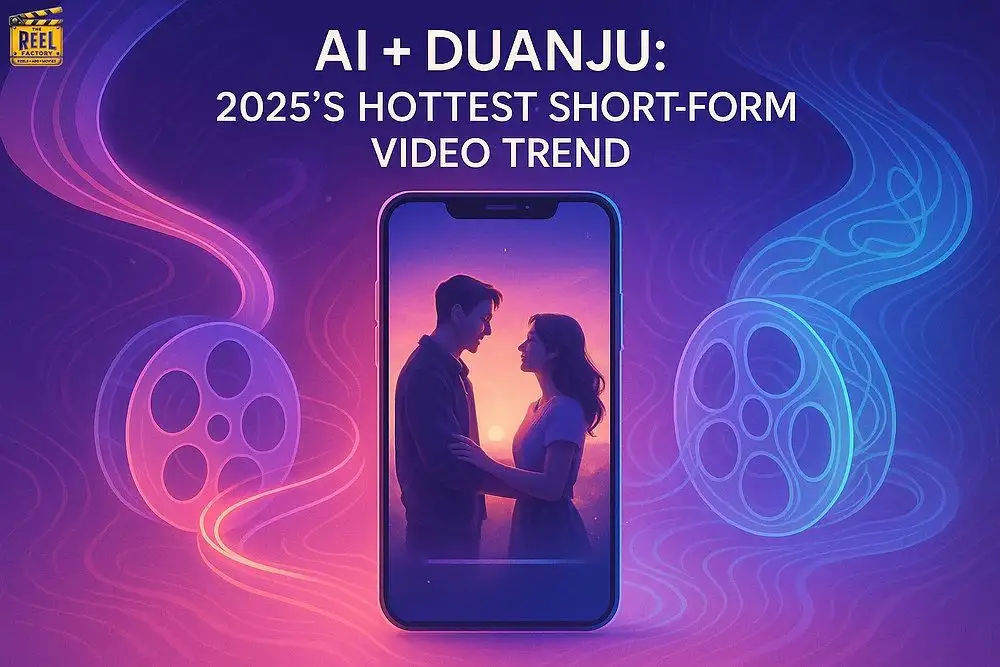
The Reelfactory (September 8, 2025): "AI + Duanju: Why Micro-Dramas Are 2025’s Hottest Short-Form Video Trend" - Highlighted how AI improves duanju (micro-drama) production by lowering costs and discussed the future potential of AI and micro-dramas. https://www.thereelfactory.co/post/ai-duanju-why-micro-dramas-are-2025-s-hottest-short-form-video-trend
OTTWatcher (January 9, 2026): "Microdramas: The next big disruption in streaming after the binge era" - Positioned micro-dramas as a potential significant disruption to streaming, shifting focus from long-form to short-form content for mobile audiences. https://ottwatcher.com/opinion/microdramas-the-next-big-disruption-in-streaming-after-the-binge-era/
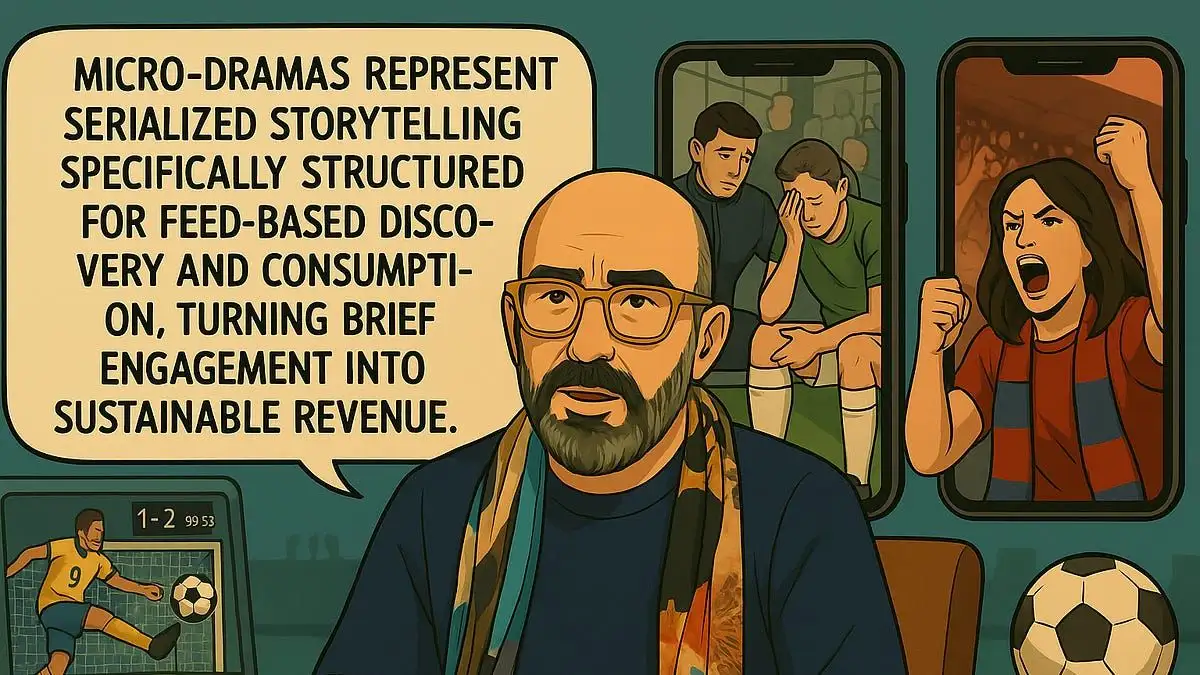
aguywithascarf (June 6, 2025): "The Rise of Micro-Dramas: Understanding a New Content Format in Storytelling" - Defined micro-dramas as serialized stories for feed-based consumption, generating billions in revenue and attracting millions of viewers globally, and their potential influence on storytelling. https://aguywithascarf.substack.com/p/the-rise-of-micro-dramas-understanding