Online platforms frequently host quizzes and videos that claim to know a person's identity or health status with nearly perfect accuracy. From tests that decide if a person is more like Glinda or Elphaba based on their meals, to TikTok trends showing daily diets, these posts get millions of views. However, a look at the math and research shows that high accuracy claims often hide a different reality. The way social media works may favor popular posts over those that are factually correct.
The Timeline of Information Accuracy
The tools used to judge online truth have changed over several years. Data shows a clear path from mathematical warnings to modern social media studies:
2019: Researchers highlight the "False Positive Paradox," showing how 99% accuracy can still result in mostly wrong answers in large groups.
Recent Months: Popular entertainment sites publish quizzes claiming 99.99% accuracy based on choices like eating "10 macarons."
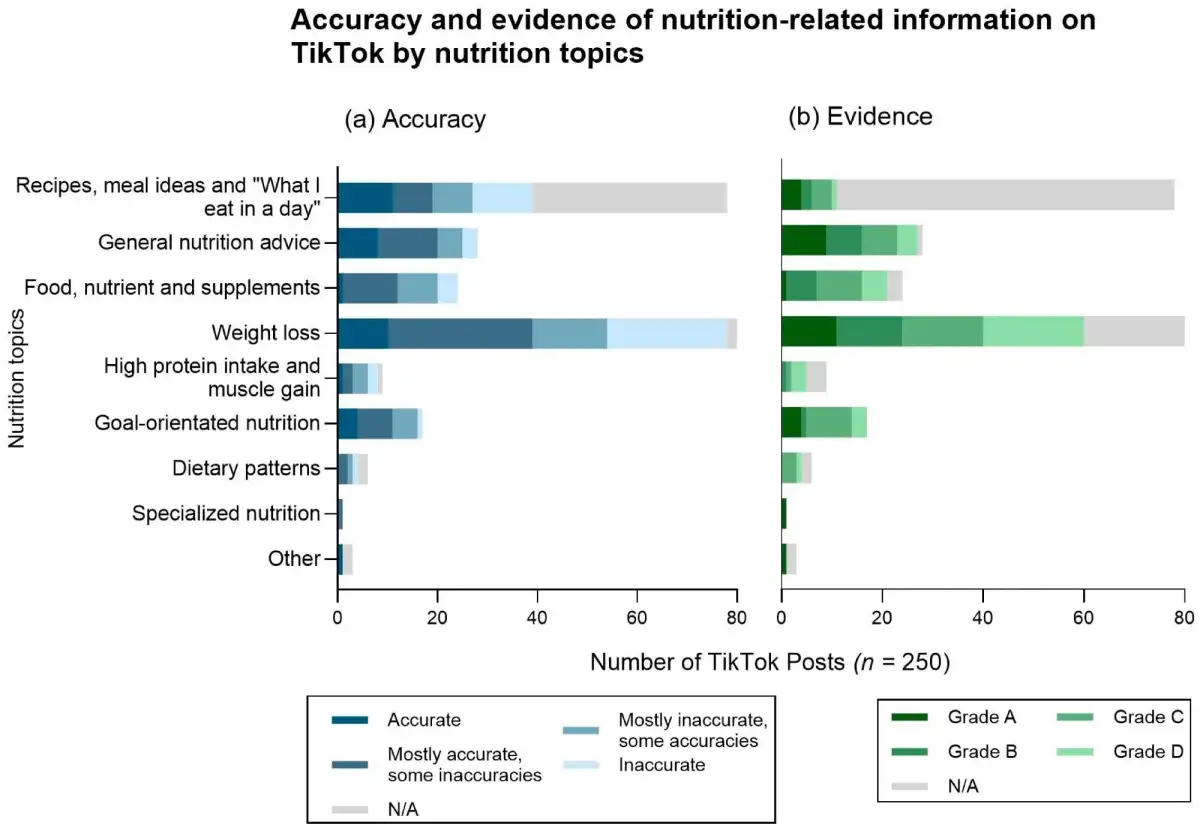
February 2025: A new study in the medical field examines the quality of #WhatIEatinaDay posts on TikTok, finding that truth does not always lead to more views.
"As 1 in 10,000 has the disease, 100 have the disease. Because 9,999 is 100 times more than 99, it’s 100 times more likely that I don’t have the disease." — Vasconcellos e Sá & Associates
| Topic | Claimed Accuracy | Real-World Finding |
|---|---|---|
| Medical Tests | 99% | Can be wrong 100 times more than they are right in rare cases. |
| Personality Quizzes | 99.9999% | Uses random choices like macarons or movies to "guess" traits. |
| TikTok Nutrition | High Quality | The algorithm does not prefer accurate posts over inaccurate ones. |
Accuracy in digital spaces is often used as a marketing tool rather than a scientific measure.
The Math Behind High Accuracy Claims
When a quiz claims to be 99% accurate, it sounds like it is almost never wrong. However, math experts point out a problem called the "False Positive Paradox." If a condition is very rare—affecting only 1 in 10,000 people—even a very good test will produce many more false results than true ones.
Read More: Today Show Digital Content: Wellness, Recipes, Jokes on June 7
In a group of 10,000 people, a 99% accurate test might correctly find the one person who has the condition. But it will also incorrectly flag 100 people who do not have it. This means the test is actually wrong most of the time when it gives a "positive" result.
Does a 99% accuracy claim on a personality quiz account for the math of the whole population, or is it a number chosen to build trust?
Entertainment Quizzes and Personal Identity
Websites now offer quizzes that claim to reveal deep personality traits or movie characters based on very simple choices. For example, a person might choose between types of macarons to find out which "K-Pop Demon Hunter" they are. These sites often use numbers like "99.9999% accuracy" to get people to click and share.
These tests use specific categories, such as "Romance Movies" or "Random Things," to reveal "Soulmates" or "Zodiac Signs."
Users often respond with comments like "I am sooo Mira!" which shows they find the results relatable.
The link between eating 10 macarons and a fictional character's personality is not explained through data.
How can a set of twenty random choices produce a near-perfect guess of a person's name or initial?
Read More: Slate Pears Game 282 Released May 23: Daily Word Puzzle Continues
Truth and Popularity on Social Media
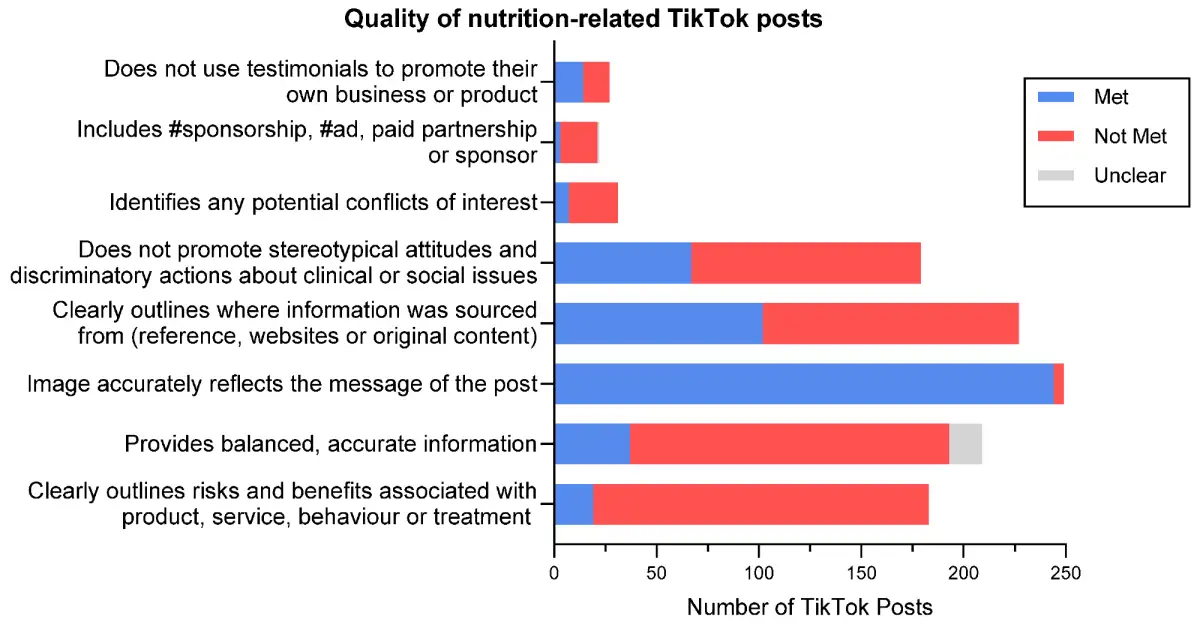
The #WhatIEatinaDay trend on TikTok is very popular, but a 2025 study shows that being "accurate" does not help a video get more views. Researchers looked at the quality and engagement of nutrition advice on the platform.
Engagement: The study found that while accurate and "Grade-A" posts had high engagement, the difference between them and inaccurate posts was not significant.
Algorithms: The computer programs that show videos to people do not seem to care if the nutrition advice is true or false.
User Trust: People still watch and interact with content even if it contains misleading health information.
Expert Analysis of Content Trends
The data from the Journal of Nutrition study suggests that the "algorithm does not necessarily favor accurate content." This means that what people see first is often what is most exciting, not what is most correct. Experts in logic, like those at Vasconcellos e Sá & Associates, show that humans are easily tricked by "99% accurate" labels because we do not naturally understand the math of large groups.
The focus on entertainment over evidence creates a space where "mostly accurate" content must compete equally with "misleading" content for the same audience.
Summary of Investigation
The investigation finds a clear gap between how accuracy is talked about online and how it works in reality.
Read More: Atheist YouTube Channels Shift to Pop Culture, May 2026
Math Mismatch: A 99% accurate test can be wrong more than 99% of the time depending on the group being tested.
Engagement Over Truth: Social media systems are built to show people what they like, not what is factually true.
Symbolic Accuracy: Numbers like "99.9999%" are used in entertainment quizzes to encourage sharing, despite having no scientific basis.
The next steps for users involve looking past the "accuracy" label and checking if the source provides data to back up their claims.
Sources Used
Tricks of the Mind (Vasconcellos e Sá & Associates, SA): Explains the math of the false positive paradox. Link
KPop Demon Hunters Quiz (Web.uk.com/Bing): Shows examples of high-accuracy claims in entertainment quizzes. Link
TikTok Nutrition Study (News Medical): Analyzes how the TikTok algorithm treats accurate versus inaccurate health posts. Link