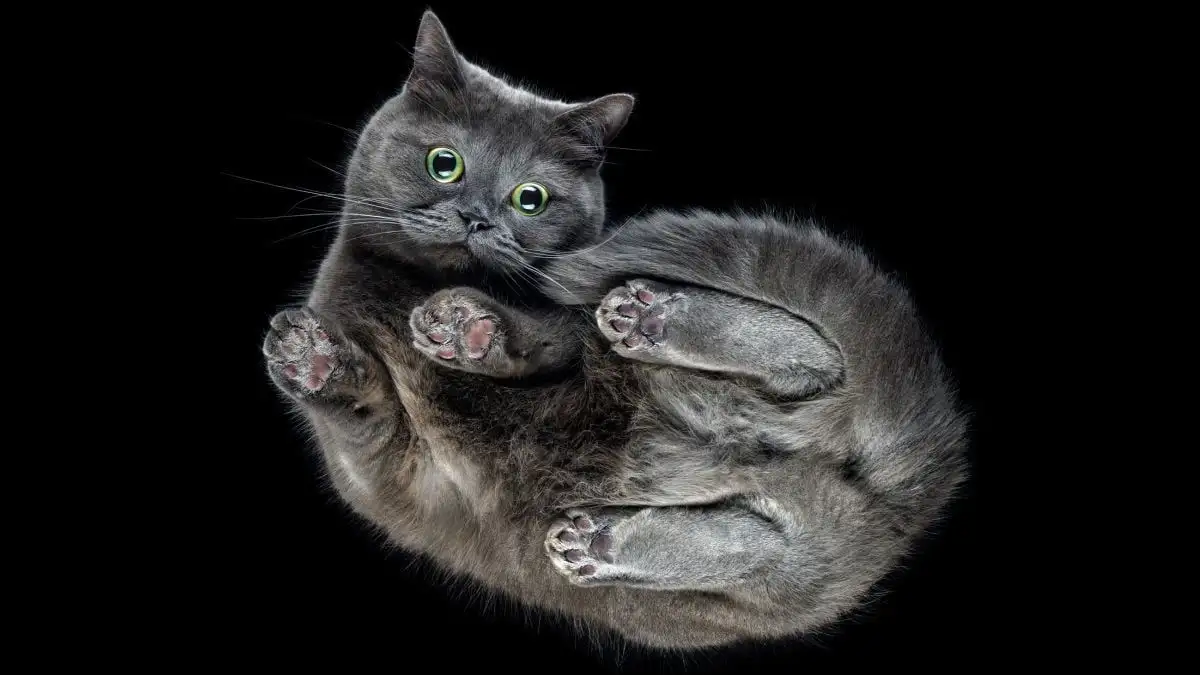
Recent examinations of feline anatomy are shedding new light on the age-old question of why cats, when dropped, often manage to orient themselves to land on their paws. The core insight appears to lie in the distinctly unequal flexibility of a cat's backbone, specifically the difference between its thoracic and lumbar regions. This spinal duality enables a complex mid-air maneuver, allowing cats to correct their orientation without any external push-off.
Spinal Dichotomy: A Tale of Two Backbones
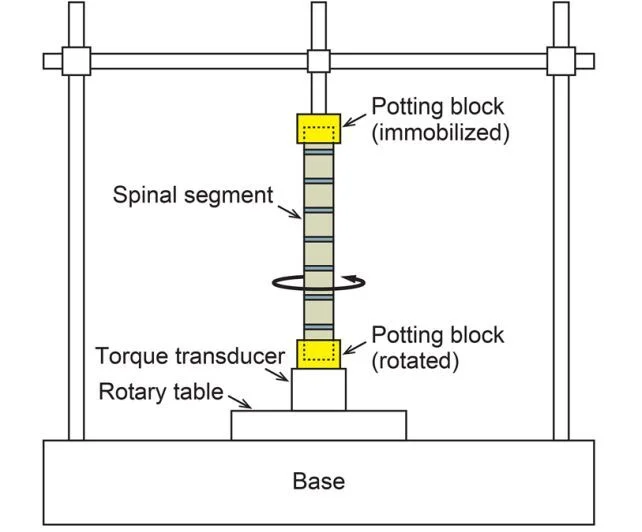
Scientists have identified the thoracic spine, situated from the shoulder blades to the rib cage's end, as the hyperflexible component facilitating the initial rotation. In contrast, the lumbar spine, located in the lower back, exhibits significantly less mobility, acting as a more rigid point. Studies, involving the examination of deceased feline spines and high-speed video analysis of falling cats, reveal a stark difference in motion between these two sections. The thoracic spine offers a broad range of motion, with some reports indicating a "neutral zone" of about 47 degrees, while the lumbar spine is considerably stiffer, reportedly having no such neutral zones. This architectural difference is crucial.
Read More: Orangutan Mothers Plan Playdates for Babies in Borneo
The "Twist and Tuck" Maneuver
The prevailing understanding suggests that cats initiate a rotational movement by twisting their more flexible thoracic spine first. This initial twist is then followed by the stiffer lumbar spine, enabling a controlled adjustment in mid-air. This seemingly effortless "righting reflex" is a sophisticated biomechanical strategy, allowing cats to achieve a stable landing position from various falling orientations. The ability to perform this mid-air correction is considered a vital survival mechanism, helping them withstand falls from significant heights, even exceeding 100 meters.
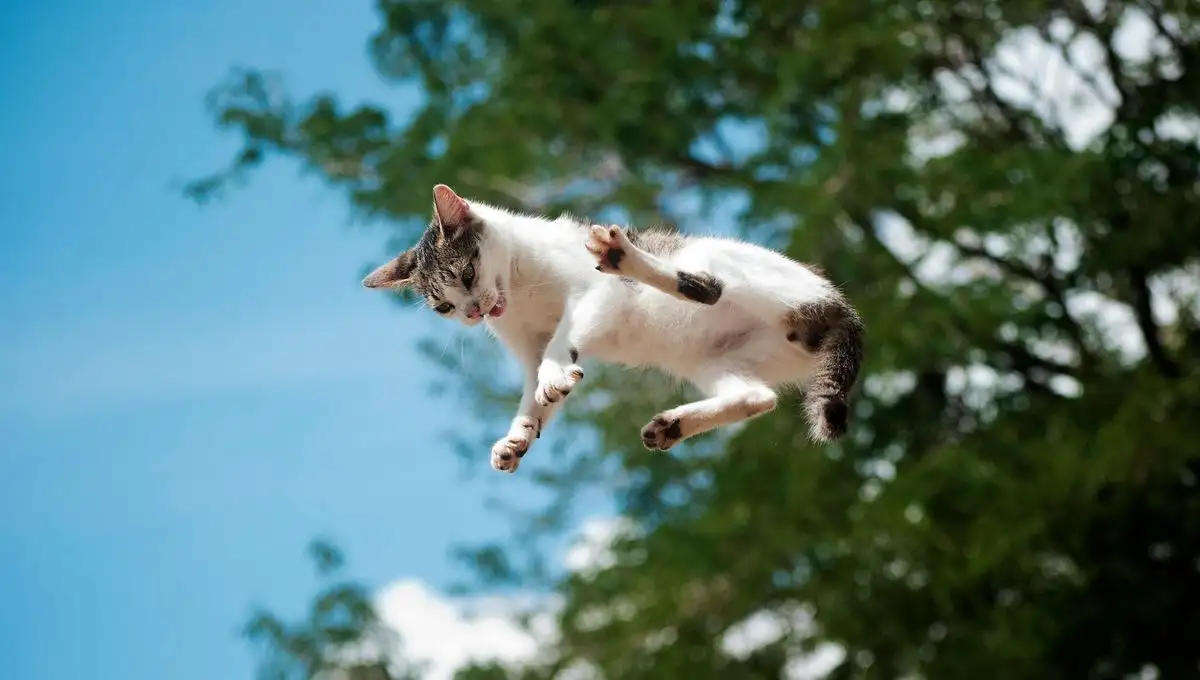
The complexity of this maneuver also means that cats falling from lower heights have less time to execute the correction. For longer falls, there is a theory that cats may have sufficient time to relax their muscles post-orientation and adopt a more spread-out posture, akin to a parachute, to better distribute the impact.
Read More: Indigenous Data Rights Now Key in Conservation Genomics
Beyond the Spine: Ancillary Factors and Ongoing Inquiry
While the spinal structure is identified as the primary mechanism, other elements have been considered. For a period, the cat's tail was thought to play a more significant, perhaps even essential, role in this reflex. However, recent observations indicate that even tailless cats, such as Manx cats, are capable of successfully righting themselves, suggesting the tail's contribution is secondary at best.
The ongoing scientific pursuit aims to further refine the understanding of this "falling cat problem." Researchers are looking into the intricate interplay between spinal flexibility, muscle control, and the neurological processes underpinning this aerial self-correction. The implications of this research extend beyond feline behavior, touching upon complex physics and biomechanics.
Background
The question of how cats manage to land on their feet has long captivated observers and scientists alike. Historically, the notion that a free-falling object, particularly a living creature, could reorient itself was considered counterintuitive, challenging classical physics principles that often treated bodies as rigid. However, as Gbur has pointed out, cats are not idealized rigid bodies, and their living, flexible anatomy allows for a much more intricate process than initial simplistic models might suggest.
Read More: ARBA Lists 50 Rabbit Breeds for Pet Owners in 2026


:strip_icc()/GettyImages-688951857-586d7be13df78c17b6e3a3cb.jpg)