Australia's participation in the T20 World Cup has concluded prematurely, with the team failing to advance beyond the group stages. This outcome marks a significant disappointment, particularly for a nation with a strong cricket pedigree. The campaign has been described by various commentators as "shambolic" and a "humiliation," leading to widespread criticism of the team's performance and preparation.

Campaign Overview and Key Events
Australia's journey in the T20 World Cup was marked by a series of challenging matches and an eventual failure to secure a path to the later stages of the tournament.
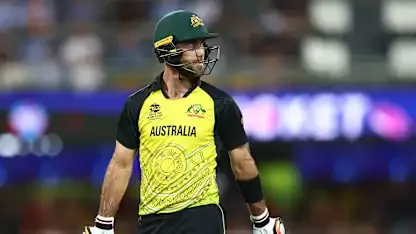
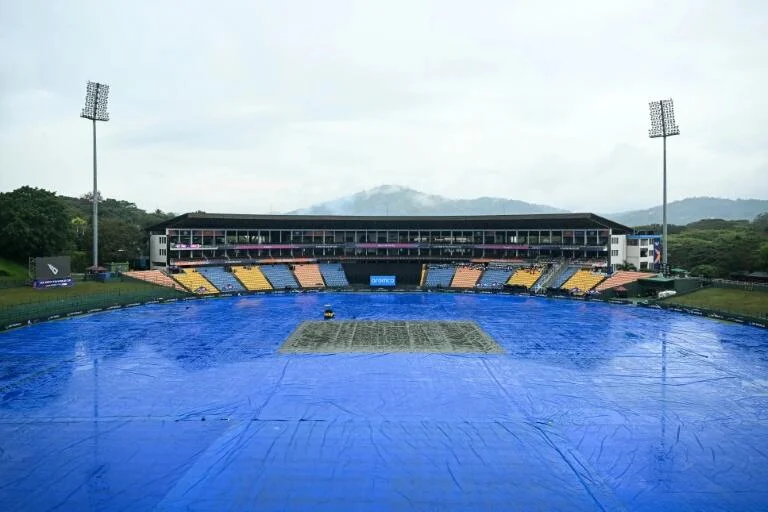
Shock Defeat to Zimbabwe: A pivotal moment in the campaign was a 23-run loss to Zimbabwe in Colombo. Australia, batting second, were set a target of 170 but were dismissed for 146. This defeat was particularly notable given Zimbabwe's 11th ranking in the ICC and their non-qualification for the previous T20 World Cup. Early batting collapses, with Australia at 29 for 4 inside the powerplay, were a recurring theme.
Player Performance and Injuries: Reports indicate that key performers crumbled when the stakes were highest. An injury crisis significantly impacted the bowling attack, described as once being "the envy of world cricket," leaving it a "shadow of former glories." Specific mentions include the absence of frontline bowlers like Cummins, Hazlewood, and Starc. Issues with player form, such as Glenn Maxwell being "out of form," and Tim David being "short of match practice" due to a hamstring strain, were also highlighted. The decision to leave out Steve Smith has also been questioned as a "misstep."
Tournament Progression: The team's exit was ultimately confirmed when England defeated Sri Lanka, leaving Australia unable to mathematically qualify, despite having one remaining match against Oman. Earlier in the tournament, a significant margin of defeat against New Zealand in the Super 12 stage had negatively impacted Australia's net run rate, a factor that proved crucial in their eventual elimination.
Critical Reactions and Accountability
The team's performance has drawn sharp criticism from former players and public figures.
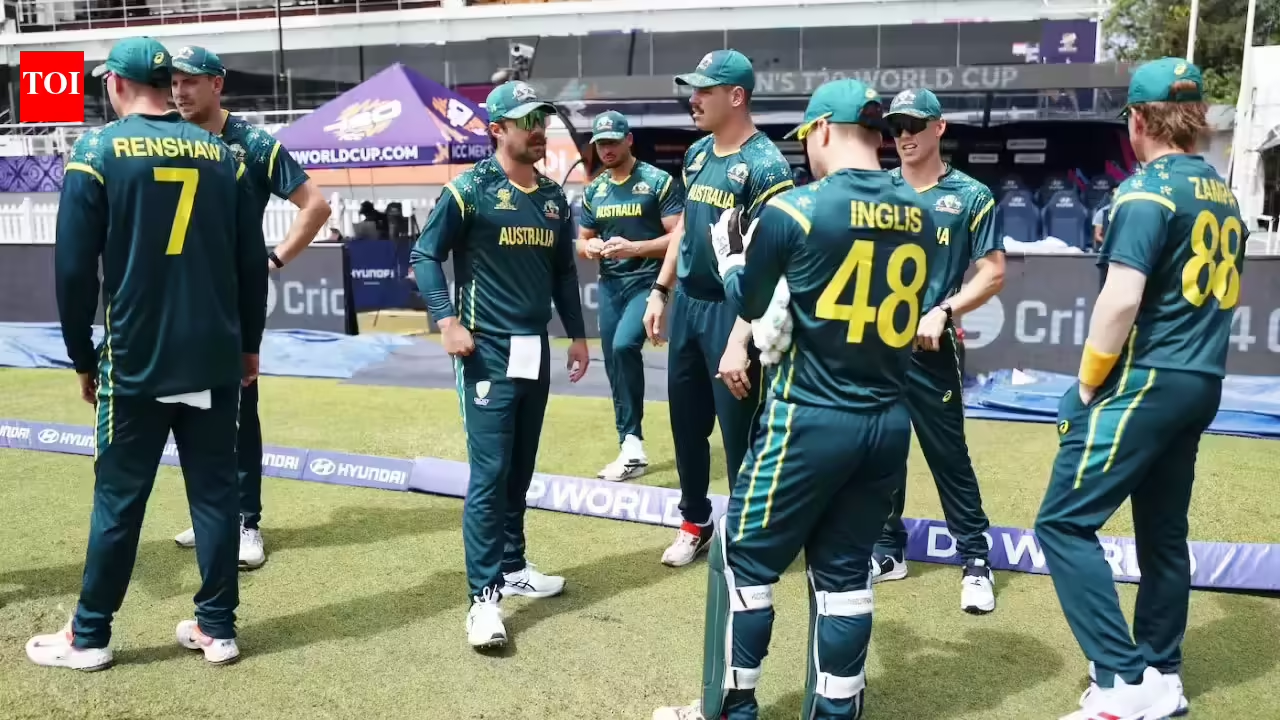
Player and Selector Scrutiny: Bowlers and selectors have come under fire following the T20 World Cup exit. Former spinner Brad Hogg offered a candid assessment, stating, "We probably deserve what we’ve got at this stage."
Public and Media Sentiment: The campaign has sparked "widespread outrage." Commentators have described the showing as "shambolic" and a "humiliation." Media outlets have questioned whether the preparation for the tournament was adequate. Piers Morgan has also commented on Australia's T20 World Cup "humiliation."
Player Regrets and Team Performance
Players themselves have acknowledged shortcomings in the team's campaign.
Glenn Maxwell's Regrets: Glenn Maxwell has revealed regrets regarding the team's performance, which saw their title defense "fall well short." He acknowledged that opponents executed their game plans effectively on the day, citing how quick starts from opposition batsmen can "take the game away in three overs."
Inconsistent Play: The team's campaign was characterized by a lack of sustained performance. Unlike previous successful tournaments where Australia demonstrated "clinical performances" and sharpness "in all areas of the game," this tournament saw them struggle to spark into life.
Underlying Issues and Future Considerations
The exit raises questions about the team's long-term strategy and player development.
Bowling Depth: A persistent concern appears to be the bowling depth, particularly in the absence of key pace bowlers. There is a perceived need to urgently address this issue within Australia.
Player Management: Decisions regarding player selection and availability, such as the timing of Steve Smith's arrival in Sri Lanka amidst concerns over Mitch Marsh's injury, have been brought into question as potential missteps by Cricket Australia. The balance between players seeking opportunities in lucrative leagues like the IPL and their commitment to national duty has also been alluded to.
Expert Analysis
While specific expert analysis is limited within the provided text, the recurring themes of "shambolic" performances, "humiliation," and a need to address "bowling depth" suggest a consensus among commentators regarding the team's underperformance and the critical areas requiring attention. The quote from Brad Hogg, "We probably deserve what we've got," implies a belief that the outcome is a direct consequence of the team's actions and preparation.
Read More: Sydney Kings win 105-104 vs Perth Wildcats in close semi-final Game 1
Conclusion
Australia's early exit from the T20 World Cup signifies a stark contrast to their previous successes, including winning the trophy just three years prior. The campaign has been widely criticized as "shambolic" and a "humiliation," with significant focus placed on an "injury crisis" that decimated the bowling attack and questions raised about player form and preparation. The defeat to Zimbabwe served as a critical blow, highlighting early batting frailties and an inability to consistently perform under pressure. The sentiment expressed by former player Brad Hogg, that the team "probably deserve what we've got," underscores the perception that the result is a direct reflection of the team's performance. Moving forward, addressing the identified issues, particularly the depth of the bowling stocks and strategic player management, will be crucial for Australia's future in major T20 tournaments.
Sources Used:
Read More: India beats New Zealand by 96 runs in T20 World Cup final with record 255/5 score
Article 1: Shambolic showing for Australia as T20 World Cup campaign ends
Article 3: ‘Got what they deserve’: Australia’s humiliation complete
Article 4: Australia’s T20 World Cup campaign on brink of collapse after shock defeat to Zimbabwe
Article 5: Misfiring Australia need to find trigger for T20 comeback after Zimbabwe humiliation
.webp)