The gap between what Australians earn and what they must spend has widened. Recent data shows that while pay is slowly rising, it is not moving fast enough to match the high cost of daily items like food and fuel. This trend has left many families with less buying power than they had in previous years. At the same time, Prime Minister Anthony Albanese has confirmed that the government will not take action to help or bring home Australian women and children currently held in Syrian camps. These two issues—economic stress at home and a firm refusal to provide help abroad—have created a difficult environment for the current government. Some people are now looking to smaller political groups as they lose trust in the major parties.
Recent Economic Changes and Policy Decisions
The Australian Bureau of Statistics and financial news reports show a changing picture of the economy over the last year.
Read More: UK 957,000 young people not working or studying in February 2026 makes finding jobs harder
In November 2024, wage growth slowed to 3.5%, which was lower than the 4.1% seen earlier that year.
While some data from June 2025 suggests a small 1.3% rise in real wages, many workers still report that their pay feels smaller because of high prices.
In the political arena, Pauline Hanson of the One Nation party claims her group is gaining support. She notes that people are "warming to" their ideas because of unhappiness with the two main parties.
Regarding the Syrian crisis, the Prime Minister stated that the government’s position remains "very clear," indicating no plans to bring back citizens stuck in foreign camps.
Main Insight: Australians are experiencing a loss in "real income" because pay increases are smaller than the rise in living costs, while the government maintains a strict "no-help" rule for citizens in Syria.
Evidence From Economic Data and Official Statements
Data from the Australian Bureau of Statistics (ABS) and ABC News provides a clear look at the numbers. In the year leading to September 2024, wages grew by 3.5%. While this was slightly higher than the inflation rate of 2.8% at that specific time, it followed a long period where prices rose much faster than pay.
"Declining real wage performance negatively impacts the welfare of households as it means pay rises are not keeping up with the price of goods and services." — Australian Bureau of Statistics
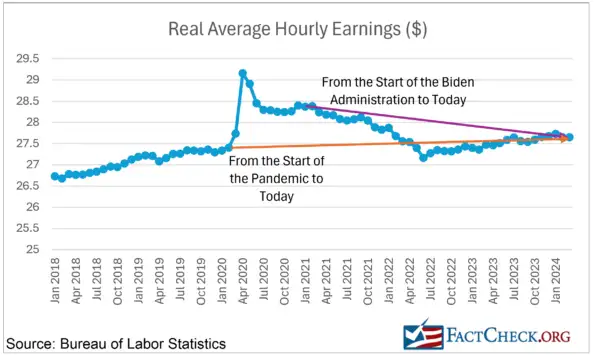
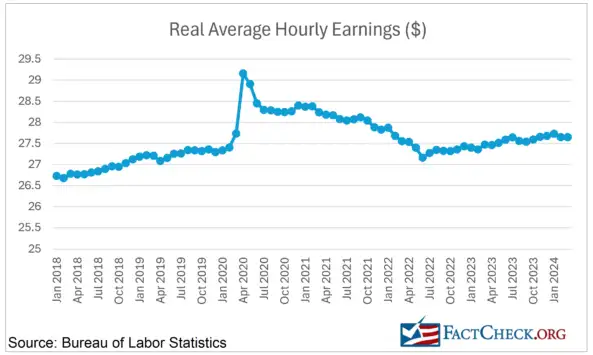
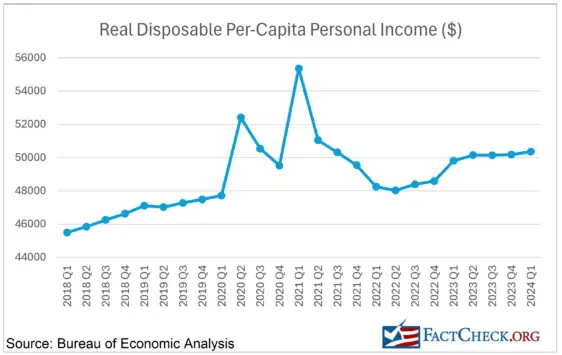
In the United States, a similar pattern exists. Reports show that since 2021, wages there have barely kept up with the cost of living. In Australia, some states are doing better than others. For example, Queensland saw a 4.1% rise in offered salaries, while New South Wales saw a slower growth of 3.3%.
Read More: ASX Closes Higher on Block Inc. Surge, Coles Falls on Mixed Results
The Struggle to Balance Pay and Prices
There is a disagreement between the official numbers and how people feel about their money. While some government reports show that wages are now technically higher than inflation, many families say they feel worse off.
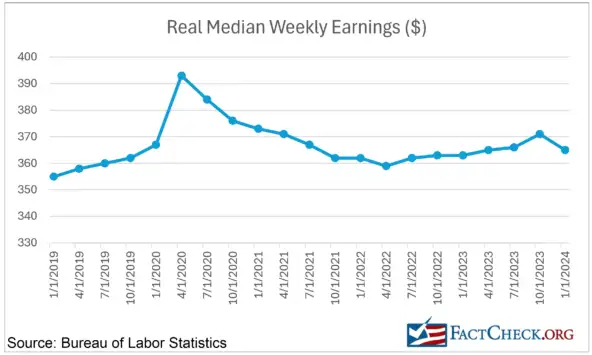
The "Real Wage" Gap: Even if a worker gets a 3% raise, if the cost of rent and food has risen by 10% over two years, that worker is effectively poorer.
Industry Differences: Some jobs, like teaching, have seen a much larger gap between pay and costs compared to other sectors.
The Hiring Market: When there are fewer jobs available, companies do not feel the need to offer higher pay to keep their staff.
Does the current way of setting wages in Australia stop workers from getting fair raises? Some experts suggest the "enterprise bargaining" system keeps wages low for too long.
A Shift in Political Trust
As economic pressure grows, the political landscape is changing. Pauline Hanson has reported a surge in interest for One Nation. She suggests that the move of figures like Barnaby Joyce to support her party has helped their image.
| Political Group | Current Status | Reported Sentiment |
|---|---|---|
| Major Parties | Facing low trust | People feel ignored on cost-of-living issues |
| One Nation | Rising in polls | Seen as "fighting for the average person" |
| Government | Holding firm | Maintaining current policies on Syria and the economy |
The government's refusal to assist women and children in Syria is another point of tension. While the Prime Minister says the position is clear, it raises questions about the government's duty to its citizens versus the risks of bringing them back.
Read More: Top Fed Official: Tariff Ruling Does Not Change Interest Rate Plans
Perspectives on Wage Growth
Economists have different views on why wages are moving slowly. Some argue that the pandemic changed the workforce by removing low-wage workers and then bringing them back, which makes the data look confusing.
"Wages growth in Australia has slowed… the number remains above inflation, but it is not consistent with cutting interest rates yet." — ABC News Analysis
Expert Insights:
Researchers from the University of Sydney state that wages have been "suppressed for too long" due to the way the Australian system works.
Seek reports that the number of job advertisements with high pay is falling, which means the "peak" of wage growth may have passed.
Jerome Powell of the US Federal Reserve noted that the "inflation crisis" has left lasting effects on how families feel, even if the numbers start to look better.
Final Observations
The investigation shows that Australia is at a crossroads. Households are struggling with a "cost-of-living crisis" where their income buys less than it did four years ago. Although the most recent data shows a slight improvement in the relationship between pay and prices, the long-term damage to family savings is visible.
At the same time, the government is taking a hard line on humanitarian issues in Syria, which may be a response to security concerns or public opinion. The rise of smaller political parties suggests that a portion of the public is unhappy with how the two main parties handle both the economy and social issues.
Read More: Liberal Party Hides Election Review Before By-Election Due to Damaging Claims
Next Steps:
Monitor the Wage Price Index in the coming months to see if the 1.3% growth continues.
Watch for any changes in the government's stance on Syrian camps if international pressure increases.
Track polling data to see if the trend toward smaller parties like One Nation stays strong as the next election approaches.
Sources Used
Australian Bureau of Statistics: Data on wages and the Consumer Price Index (June/Sept 2025). https://www.abs.gov.au/statistics/measuring-what-matters/measuring-what-matters-themes-and-indicators/prosperous/wages
ABC News: Report on wage dynamics and interest rates (Nov 2024). https://www.abc.net.au/news/2024-11-13/wages-growth-slows-faster-than-expected/104594798
University of Sydney: Analysis of real wage decline in Australia (July 2024). https://www.sydney.edu.au/news-opinion/news/2024/07/12/why-real-wages-in-australia-have-fallen.html
CBS News: Study on wages failing to keep up with inflation. https://www.cbsnews.com/news/wages-income-falling-behind-inflation-jobs-profession-education-manufacturing/
FactCheck.org: Economic narratives regarding inflation and purchasing power. https://www.factcheck.org/2024/06/competing-narratives-on-real-wages-incomes-under-biden/
Statista: Infographic on wage growth vs inflation. https://www.statista.com/chart/32428/inflation-and-wage-growth-in-the-united-states/

:max_bytes(150000):strip_icc()/GettyImages-2235423405-3eedce52b463446285c296e9c3080921.jpg)