Urgently Needed Action Against Child Labor
Inspectors in Karnataka, India, have been told to increase efforts in finding and stopping child labor. A senior official expressed worry that not enough cases are being found and that fines are too low. If inspectors do not do their job well, they will face consequences. This warning comes at a time when global organizations are also highlighting the widespread problem of child labor and the need for stronger actions. Millions of children's futures are at risk as more are forced to leave school and work to help their families, especially in difficult economic times.
Context and Timeline
Recent Warning: Deputy Commissioner Harshal Bhoyar recently held a review meeting in Karnataka, India, and issued a stern warning to labor inspectors. He specifically pointed out the low number of child labor cases registered and penalties imposed, demanding better identification and prevention of these illegal practices.
Mandated Reporting: Inspectors are required to report on the deposit of rehabilitation funds to the District and Adolescent Labour Rehabilitation Fund Scheme. They must also hold monthly task force committee meetings at the taluk level and submit reports on these to the labor department. Progress reports on the Pan India Rescue and Rehabilitation Campaign for Child and Adolescent Workers are also to be submitted.
Global Initiatives: The International Labour Organization (ILO) has launched a "Child Labour Observatory" (CLO). This new global hub is designed to help track progress and support efforts to end child labor by providing data, legislation, and policy information. The CLO complements the Forced Labour Observatory (FLO).
EU Legislation: In December 2024, the European Union published its Forced Labour Regulation. This legislation prohibits the sale and export of products made using forced labor, including child labor, into the EU market, regardless of where they were produced. National authorities can ban and remove such products.
Wider Trends: Reports from the ILO indicate that child labor is at a "critical moment" with more children being pushed into work. Factors like economic hardship, such as job losses during pandemics, force families to rely on their children's earnings. Unauthorised subcontracting and short-term sourcing strategies in businesses are also identified as risks for child labor.
Evidence of Child Labor Concerns
"The labour inspectors should submit a report on the deposit of rehabilitation funds to the District and Adolescent Labour Rehabilitation Fund Scheme, he said. Addressing a review meeting here on Friday, Mr. Bhoyar expressed dissatisfaction over the less number of child labour cases registered and penalties imposed. Deputy Commissioner Harshal Bhoyar strictly warned the labour inspectors that action would be taken against them if they failed to identify child labourers and prevent such practices effectively."
The ILO's Child Labour Observatory (CLO) is presented as a "one-stop shop for data, legislation, policies and evidence of progress to accelerate efforts towards the elimination of child labour." This suggests a need for more structured and accessible information to drive effective interventions.
Read More: India Lok Sabha Seats: Southern States Will Not Lose Seats Amidst Expansion Plans
The EU Forced Labour Regulation targets products made with forced child labor, indicating a global concern that such practices persist within supply chains. National authorities are empowered to ban and withdraw products found to be made with forced labor.
Observations suggest that "unauthorised subcontracting facilities remain a significant source of risk for child labour in its worst forms" and that "short-term sourcing strategies may increase the risk of child labour."
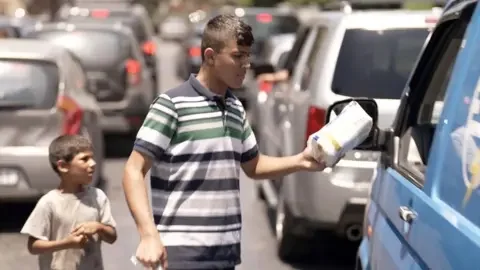
Challenges in Combating Child Labor
Inadequate Identification and Enforcement
The warning issued by Deputy Commissioner Harshal Bhoyar highlights a significant issue: the perceived failure of labor inspectors to adequately identify child labor cases and impose meaningful penalties.
Low Case Registration: A core concern is the "less number of child labour cases registered." This suggests either a lack of diligent investigation or systemic difficulties in uncovering these cases.
Insufficient Penalties: The low number of penalties imposed implies that deterrence may be weak, possibly due to fines being too small or not consistently applied.
Required Oversight: The directive for monthly task force meetings and detailed reporting aims to create a more structured and accountable system for monitoring and enforcement.
Global Supply Chain Risks
International bodies and regulations point to complex networks where child labor can be hidden, particularly within global supply chains.

Subcontracting Issues: Unauthorised subcontracting facilities are identified as a major area where child labor can thrive, making it harder for oversight bodies to reach.
Sourcing Strategies: The practice of "short-term sourcing strategies" is linked to an increased risk of child labor, suggesting that a focus on rapid procurement might overlook ethical labor practices.
EU Regulatory Action: The EU's new regulation directly addresses products made using child labor, aiming to cut off markets and apply pressure on businesses operating within global supply chains.
Economic Pressures Driving Child Labor
Broader economic instability is identified as a significant factor pushing children into work.
Read More: Karyn Walsh's Plan to Solve Homelessness in South Brisbane by 2030
Pandemic Impact: Job losses during the COVID-19 pandemic have forced families to seek additional income, leading some parents to withdraw children from school.
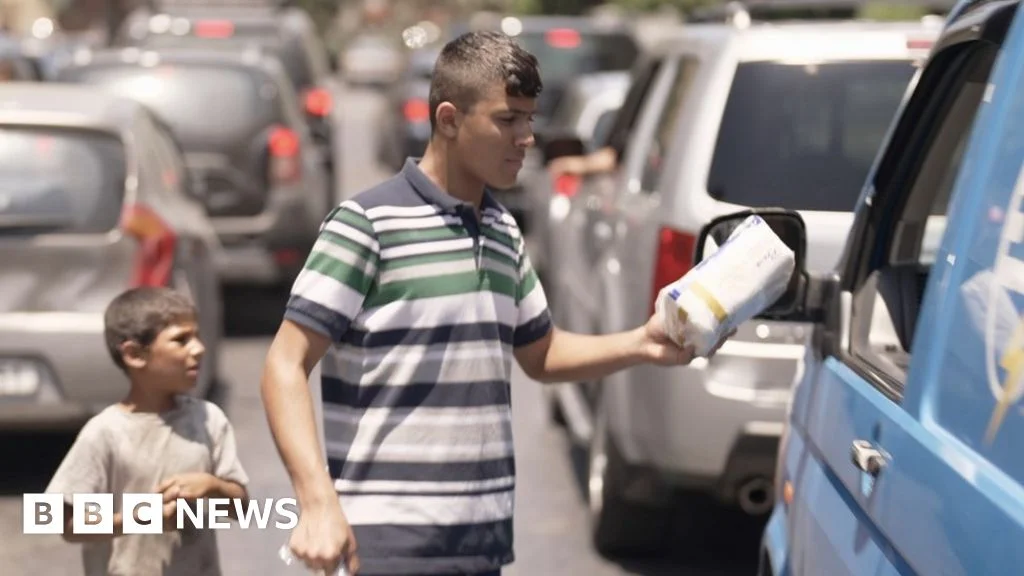
Family Support: Children are being "pulled out of school and into work" to support families and make ends meet, especially in situations where families struggle financially.
Vulnerable Populations: The mention of the situation in Lebanon, where over one in ten families send their children to work, illustrates how economic vulnerability can exacerbate the child labor problem.
Expert Analysis and Global Response
The International Labour Organization (ILO) emphasizes that child labor is at a "critical moment," with increasing numbers of children being forced into work. This sentiment is echoed by the establishment of their Child Labour Observatory (CLO) and Forced Labour Observatory (FLO), which aim to provide a robust data foundation for evidence-based policies and interventions.
"The future of millions of children is at risk as growing numbers are pulled out of school and into work, the head of the United Nations' labour body has told the BBC."
The European Union's Forced Labour Regulation signifies a strong international stance. By prohibiting products made with forced child labor from entering the EU market, the regulation aims to exert significant economic pressure on companies and countries to improve labor standards.
"This landmark legislation represents a comprehensive approach to eliminating forced labour and forced child labour throughout global supply chains, introducing strict measures that prohibit the placement and sale in the EU or the export from the EU market of products made using forced labour or forced child labour, regardless of their geographic origin."
Conclusion and Implications
The directive to labor inspectors in Karnataka underscores the immediate need for improved local enforcement against child labor. The inadequate identification and prosecution of cases indicate that current mechanisms are not fully effective in curbing these practices.
Read More: Decomposed Bodies Found in Hyderabad, Pune, Sagar, Mumbai, Mohali Raise Concerns
Accountability: Labor inspectors face potential action if they do not meet performance standards in identifying and preventing child labor. This suggests a shift towards greater accountability within enforcement agencies.
Data and Monitoring: The creation of global platforms like the ILO's Child Labour Observatory highlights a broader trend toward using data and evidence to guide anti-child labor strategies. This emphasizes the importance of accurate reporting and analysis.
Supply Chain Pressure: The EU's new regulation signals a growing global effort to hold businesses responsible for labor practices throughout their supply chains. This may lead to increased scrutiny of sourcing and manufacturing processes.
Economic Vulnerability: The underlying economic pressures that drive families to send children to work remain a critical challenge. Effective solutions will likely require addressing poverty and providing social support systems.
The successful implementation of both local enforcement measures and international regulations will be key in determining the future trajectory of child labor. Continued monitoring, transparent reporting, and collaborative efforts across governments and organizations are essential to protect vulnerable children.
The Hindu: Provides a direct report on the warning issued to labor inspectors in Karnataka, India, detailing the official's concerns and directives.https://www.thehindu.com/news/national/karnataka/labour-inspectors-warned-of-strict-action-if-child-labour-cases-are-not-identified-and-such-illegal-practices-are-not-curbed/article70628915.ece
International Labour Organization (ILO): Details the launch of the Child Labour Observatory and its role in global efforts, alongside information on Child Labour Monitoring.https://www.ilo.org/resource/news/ilo-launches-child-labour-observatory-new-global-hub-support-evidence-basedhttps://www.ilo.org/topics/child-labour/child-labour-monitoring-clm
BBC News: Reports on the ILO's assessment that child labor is at a critical point due to increasing numbers of children being forced to work.https://www.bbc.com/news/world-66582913
Terre des Hommes: Covers the EU's new Forced Labour Regulation, which prohibits products made with forced child labor from the EU market.https://terredeshommes.org/blog/2024/12/12/eu-takes-historic-stand-against-forced-child-labour/
The Centre for Child Rights and Business: Provides insights into current trends and risk factors for child labor, such as unauthorized subcontracting and sourcing strategies.https://www.childrights-business.org/impact/current-child-labour-trends-and-status