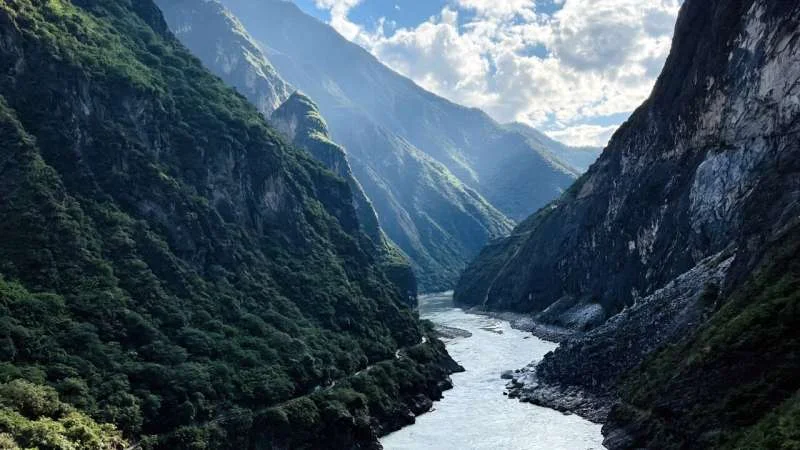
The ecological significance of the Western Ghats is increasingly recognized as intrinsically linked to human survival, with recent discussions highlighting the region's vital role in biodiversity, healthcare, and climate regulation. However, this vital ecosystem faces mounting threats from unscientific development and changing climate patterns, sparking urgent calls for local action and policy reconsideration.
Recent seminars and expert analyses underscore a deepening crisis within the Western Ghats, a biodiversity hotspot and UNESCO World Heritage Site. Discussions have centered on the dual pressures of environmental degradation and economic disruption.
Biodiversity and Healthcare: The flora of the Western Ghats are a direct source for medicines, including those treating malaria, demonstrating an inseparable link between ecological health and human well-being.
Climate Influence: The mountain range critically influences India's monsoon dynamics, impacting rainfall distribution and agricultural patterns across surrounding areas. This role is further complicated by an increase in extreme rainfall events alongside a decline in average rainfall.
Economic Asset: Beyond its ecological value, the Ghats are a significant economic resource, providing timber, medicinal plants, and supporting agricultural productivity through crucial water sources. The region's biodiversity also fuels the biotechnology and genetic engineering sectors.
Escalating Threats and Unscientific Practices
The integrity of the Western Ghats is demonstrably under assault from human activities, including widespread deforestation, hill cutting, and alterations to steep slopes, leading to an alarming rise in landslides. Simultaneously, changing climate patterns exacerbate the region's vulnerability.
The consequences of these pressures are multifaceted:
Read More: Penguin example shows humans losing connection to nature
Natural Disasters: Unscientific deforestation and alterations to natural topography are directly linked to an increase in landslides. Extreme weather events, including intense rainfall, further compound these risks.
Agricultural Strain: Traditional monocrop cultivation and the impact of international agreements like the ASEAN agreement on the plantation sector are being re-evaluated due to environmental and economic strains. Rising temperatures also place native agroforestry species near their thermal limits.
Policy Disconnect: A significant disconnect persists between conservation efforts and the appreciation of the Western Ghats' value by local populations, leading to resentment, unsustainable resource extraction, and hindered policy implementation.
A Call for Holistic Action
Experts are urging a paradigm shift, emphasizing the critical need for local communities to spearhead conservation and climate action, supported by innovative policy frameworks and inclusive financial mechanisms.
Recent academic and research forums have delved into strategies for a more sustainable future:
Sustainable Development: Promoting community-based conservation, developing sustainable rural micro, small, and medium enterprises (MSMEs) like eco-tourism and organic farming, and fostering equitable benefit-sharing are proposed pathways.
Regulatory Measures: Recommendations include strict land-use regulations in vulnerable areas, as exemplified by proposals to classify regions into Ecologically Sensitive Zones with varying protection levels.
Community Engagement: Raising awareness among local communities regarding risks and sustainable practices is deemed vital for preparedness and effective environmental management.
Historical and Ecological Context
The Western Ghats, stretching approximately 1,600 kilometers along India's western coast, are recognized globally as a critical biodiversity hotspot and a UNESCO World Heritage Site. Their ecological importance has long been acknowledged, influencing regional climate, water availability, and supporting a vast array of flora and fauna that form the basis of numerous industries and livelihoods. Discussions around the region’s future reflect a long-standing tension between economic development and environmental preservation, a conflict now amplified by the realities of climate change and unsustainable exploitation.