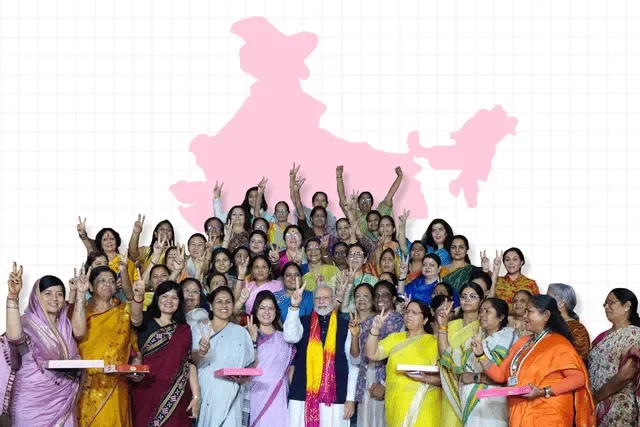
The rollout of the 33% women's reservation in Lok Sabha and state assemblies is firmly pegged to the completion of the upcoming census and subsequent delimitation exercise, signaling a potential implementation for the 2029 general elections. This intricate linkage, stemming from constitutional mandates and practicalities of redrawing electoral maps, places the realization of this significant legislative move within a specific, albeit fluid, timeline. Reports indicate that Parliament would need to enact a new Delimitation Act, paving the way for a commission to redefine constituency boundaries based on fresh population data.

Strategic Implications and Regional Tensions
The timing of this reservation, closely aligned with the 2029 polls, is not lost on political observers. While presented as a move to empower women, the underlying demographic shifts following a new census and delimitation carry substantial electoral implications, particularly concerning regional seat distribution. Concerns have been voiced, especially from southern states, about a potential loss of Lok Sabha seats due to comparatively slower population growth. This has led to assurances from central government figures that seat shares of southern states would be preserved, though the precise mechanism remains a point of contention.
Read More: Bessent Jabs White House Press, Mentions Gavin Newsom

The BJP, in its strategic maneuvering, appears to be threading a needle between wooing women voters and managing potential backlash from other demographic segments. The narrative around the women's reservation, particularly its implementation linked to delimitation, suggests a calculated political gambit aimed at shaping the electoral landscape for 2029. Prime Minister Narendra Modi has himself alluded to the potential benefits for women by the 2029 polls, even as party members have emphasized the process requires patience and is contingent on established procedures.

Constitutional Framework and Delimitation Process
The foundation for this potential shift rests on Article 82 of the Constitution, which mandates a readjustment of parliamentary and assembly seats after each census. The Nari Shakti Vandan Adhiniyam, the legislation enabling the women's quota, is inherently tied to this delimitation process. Therefore, the passage of a new Delimitation Act, following the census, becomes a prerequisite for the reservation's implementation. This procedural necessity means that while the intention may be clear, the execution timeline is subject to the completion of these governmental and constitutional processes.
Read More: Heatwave Warning: Dehydration and Heatstroke Risks Rise in India

Background: The Women's Reservation Bill and Its Precursors
The push for a 33% reservation for women in legislative bodies has been a long-standing demand, culminating in the passage of the Nari Shakti Vandan Adhiniyam. This law, however, explicitly links its enforcement to the completion of the census and the subsequent delimitation of constituencies. Past census data and projected population growth rates have fueled discussions about how delimitation might alter the balance of power between different regions of India. Southern states, having achieved greater success in population control, have historically expressed apprehension about a potential disadvantage in seat allocation should delimitation be based solely on raw population figures from a new census. Assurances have been made by senior ministers to address these concerns, aiming to preempt significant regional political opposition to the delimitation exercise. The process, therefore, involves not just legislative action but also delicate political negotiation and administrative readiness.
Read More: Democrat skips AIPAC event showing party splits on Israel