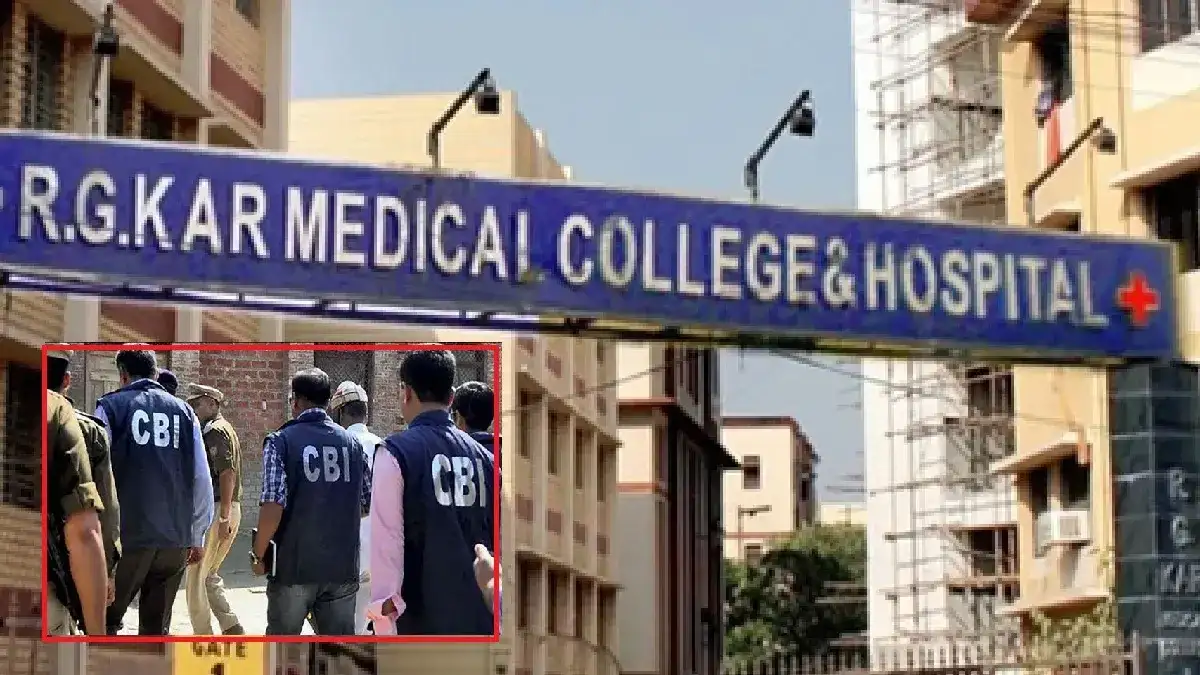
Kolkata, West Bengal - Preparations are finalized for the second and final phase of the West Bengal Assembly elections, scheduled for April 29, 2026. The Election Commission of India has declared all arrangements complete, with polling parties dispatched to various stations, including remote riverine areas of Sandeshkhali. This follows a high-octane campaign period that concluded on Monday, marking a shift into a 48-hour silence period before voters cast their ballots. The first phase, covering 152 constituencies, saw a substantial 93% voter turnout. Votes for the entire 294-member assembly will be tallied on May 4.
Electoral Landscape: A Two-Horse Race
The current electoral contest in West Bengal is largely framed as a confrontation between the incumbent Trinamool Congress (TMC) and the Bharatiya Janata Party (BJP). Political figures from both sides have been highly visible, with Prime Minister Narendra Modi asserting confidence in a BJP victory and predicting a transformation of the state's challenges. Meanwhile, West Bengal Chief Minister Mamata Banerjee, representing the TMC, has expressed optimism about securing a fourth term. The campaign saw significant attention, with multiple chief ministers from other states also participating in the BJP's outreach efforts.
Read More: Taiwan Holds Nantou County Drills to Prepare for State Collapse

Campaign Dynamics and Key Statements
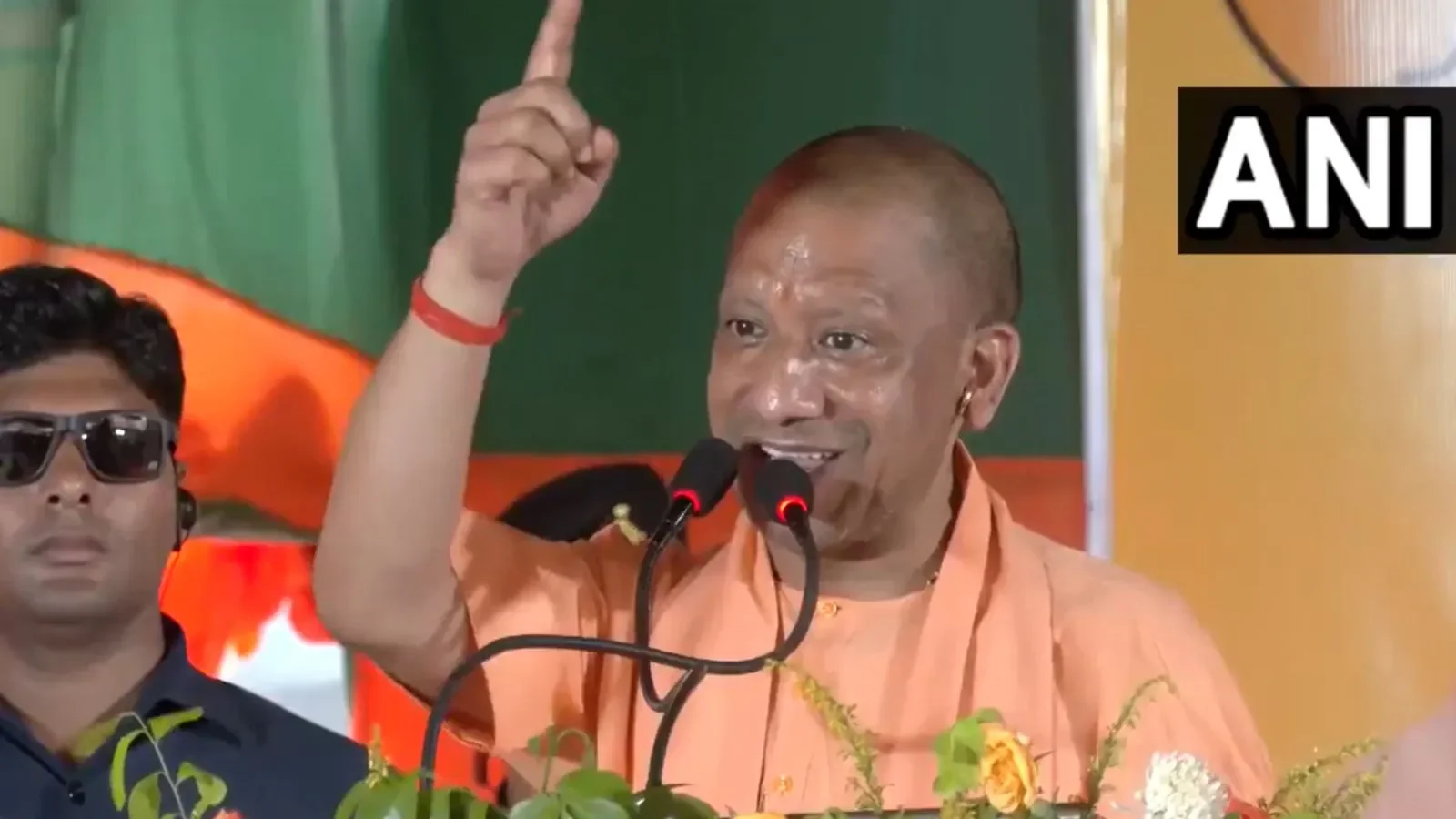
Prime Minister Modi's campaign narrative has touched upon themes of national identity and security, with remarks made at rallies in Barrackpore and other districts. He spoke of 'infiltrators' and asserted that they would be "identified and pushed back." His statements aimed at the BJP's core support base, framing the election as a spiritual endeavor and emphasizing a connection with the people, whom he referred to as "family."
Conversely, TMC leaders have responded with strong assertions of regional identity. State General Secretary and spokesperson Tanmoy Ghosh stated that "outsiders," including national leaders, would cease to be seen in Bengal after May 4. TMC MP Abhishek Banerjee issued a stern warning to the BJP following an alleged attack on MP Mitali Bag. The political discourse has also been marked by sharp exchanges, with one report quoting an unnamed source referring to the Chief Minister as a 'goonda'.
Read More: Om Birla asks West Bengal MLAs for solutions, not just criticism
Election Machinery and Civic Assistance
The Election Commission has been actively managing the logistical and security aspects of the polls. Kolkata Police have issued traffic advisories to manage movement during polling arrangements. The Chief Electoral Officer, Manoj Kumar Agarwal, urged citizens to participate actively. Beyond official channels, a 24x7 citizen helpline has been extended until May 10 to assist voters throughout the election process. Seizures amounting to ₹510 crore have been reported in the lead-up to the final phase, indicating a focus on preventing illicit campaign activities.
Background and Context
The West Bengal Assembly elections are a significant event, drawing national attention due to the state's political landscape and the vigorous campaigning by major national parties. The previous phase of elections was held on April 23, with votes scheduled for counting on May 4. The Election Commission has taken measures to ensure a secure and fair electoral process, including the deployment of Central Armed Police Forces (CAPF) for an extended period of 60 days post-election. Court interventions have also been noted, such as the Calcutta High Court's rulings on movement restrictions and its rejection of a plea concerning a specific candidate's eligibility.
Read More: FBI Analysts Review Georgia 2020 Election Data in Fulton County