Wes Streeting, currently serving as Health Secretary, has articulated a pronounced stance advocating for the United Kingdom's potential return to the European Union's customs union. This public declaration, made at a Progress think tank conference on Saturday, positions him as a contender with a distinct policy direction, particularly notable given its divergence from the prevailing Labour Party line under Sir Keir Starmer.
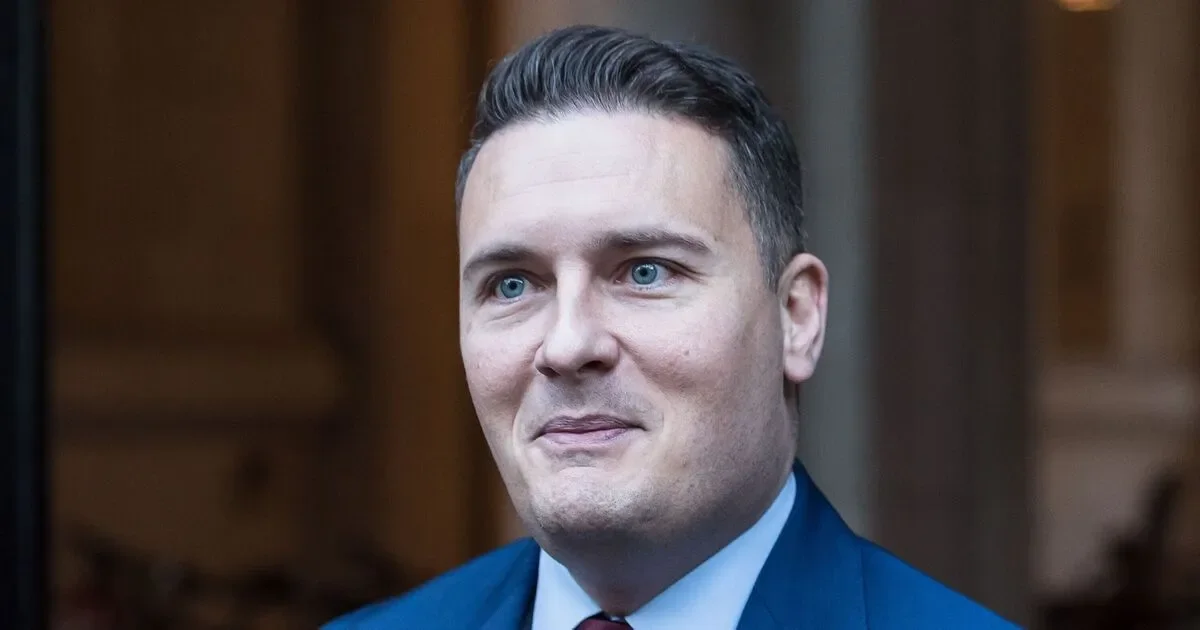
Streeting's remarks signal a potential leadership challenge and a clear policy difference on the UK's relationship with the EU. His advocacy for closer EU ties, including a customs union, directly contrasts with Starmer's established position. This move has already sparked commentary from government sources, with some suggesting it's an overt bid to "set out his stall" for a leadership contest.

The timing of Streeting's intervention coincides with speculation about leadership aspirations, fueled further by his recent resignation as health secretary. His presence at the Progress conference, where he was directly questioned about a potential leadership bid, underscores the strategic nature of his pronouncements. The public has been presented with a Labour figure openly challenging the party's current stance on Brexit and proposing a significant shift in foreign economic policy.
Read More: Taiwan Holds Nantou County Drills to Prepare for State Collapse

While Streeting did not explicitly confirm a leadership bid, his public platforming of EU re-engagement suggests a calculated maneuver. This approach aims to carve out a distinct identity within the party, potentially appealing to a segment of the electorate that remains dissatisfied with the current post-Brexit landscape. His comments have been met with concern from those who view closer EU ties as detrimental, with reports of his statements "terrifying Brexiteers."

A Wedge in Labour's Stance?
Streetings's open endorsement of a customs union with the EU has been framed as a move that could create divisions within the Labour Party. While Sir Keir Starmer's cabinet maintains a united front on "resetting our relationship with the EU," Streeting’s specific call for a customs union goes beyond the publicly stated policy. This suggests a potential internal friction or a deliberate attempt by Streeting to push the party's agenda in a new direction.
Read More: Europe June 2026 heatwave caused 39 percent rise in Belgium deaths
Sources indicate that the Labour Party's official stance is focused on improving existing ties, rather than a wholesale re-entry into EU structures. Streeting's proposal, however, directly challenges this more cautious approach. He has also been noted for blaming the national economy's stagnation on Brexit, a point of contention that further differentiates his perspective from the current leadership's focus on domestic economic management.
Contextualizing the Declarations
The period leading up to Streeting's recent statements has seen a consistent, albeit often indirect, probing of the UK's post-Brexit economic relationship with the EU. His current advocacy for a customs union echoes sentiments found in polling, where significant proportions of Labour, Liberal Democrat, and Green voters have expressed support for such an arrangement. This polling data suggests a potential public appetite for the policies Streeting is now articulating.
Read More: FBI Analysts Review Georgia 2020 Election Data in Fulton County
Furthermore, the broader political climate, marked by ongoing discussions about the economic impacts of Brexit, provides a fertile ground for such policy debates. Streeting's willingness to openly discuss rejoining the EU, even if framed as re-engagement through a customs union, stands in stark contrast to the political discourse that solidified Brexit. His statements, therefore, represent a significant departure from the established post-Brexit consensus, particularly within the Labour Party.