Concerns Mount Over Potential Nutrient Deficiencies Amidst Popularity of GLP-1 Medications
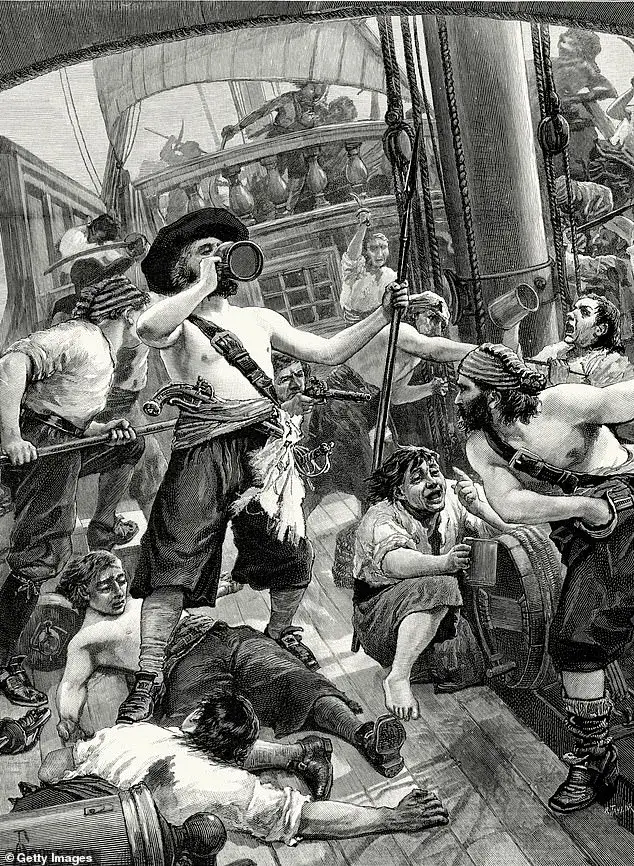
The widespread adoption of weight loss drugs, such as Ozempic and Mounjaro, has led to a concerning increase in the reported instances of scurvy, a condition historically associated with sailors and pirates. This surge in cases, identified through various research and anecdotal reports, raises questions about the long-term nutritional implications for individuals relying on these popular GLP-1 receptor agonist medications.
Background of GLP-1 Medications and Reported Health Issues
GLP-1 receptor agonists, initially developed for managing type 2 diabetes, have gained significant traction as weight loss aids. Drugs like Ozempic, Wegovy, and Mounjaro have demonstrated effectiveness in reducing body weight by suppressing appetite and slowing digestion. However, this same mechanism is now being scrutinized for its potential to impact nutrient absorption.
Timeline: Reports linking these drugs to scurvy have emerged recently, with some research reviews and anecdotal accounts appearing in late 2023 and early 2024.
Key Medications: Ozempic, Mounjaro, Wegovy, and other GLP-1 medications are central to these discussions.
Observed Phenomenon: An "explosion" in scurvy cases is being reported, particularly in contexts where individuals are taking these weight loss drugs.
Evidence of Scurvy and Weight Loss Drugs
Multiple sources highlight a connection between GLP-1 medications and scurvy, a disease caused by a severe lack of Vitamin C.
Read More: India IVF Costs And Social Barriers Limit Access In April 2026
A review of 41 studies involving over 50,000 participants found that while weight loss was monitored, only two studies tracked dietary deficiencies.
Researchers from institutions including the Newcastle School of Health Sciences in Australia are investigating the long-term effects of GLP-1 drugs.
Singer Robbie Williams has publicly shared his experience of being diagnosed with scurvy, which he attributed to taking "something like Ozempic" and described as a "17th-century pirate disease." He noted a lack of nutrients and Vitamin C, leading to his condition.
Dr. Amelia Collins, a dietitian, has cautioned that weight loss achieved through these drugs does not guarantee adequate nutrition. She emphasizes the need for robust data on diet alongside weight loss monitoring.
Nutrient Deficiencies and Their Impact
The primary concern is that the appetite-suppressing nature of GLP-1 drugs may lead to insufficient intake of essential vitamins and minerals, including Vitamin C.

Scurvy: A Resurfacing Historical Concern
Scurvy, historically prevalent among sailors due to limited access to fresh produce during long voyages, occurs when the body lacks sufficient Vitamin C over an extended period. Symptoms can include:
Anemia
Bloody gums
Poor wound healing
Bruising
While considered rare in regions with nutrient-rich diets, the link to GLP-1 drugs suggests a new pathway for its development.

Broader Nutritional Risks
Beyond scurvy, experts warn of potential deficiencies in other vital nutrients due to reduced food intake.
Dr. Collins highlights that inadequate intake of protein, fiber, vitamins, and minerals can lead to significant long-term issues with:
Muscle mass
Bone health
Brain health
Gut health
Skin integrity
Overall well-being
A general overview of potential deficiencies in the population indicates a significant portion of people are at risk for various nutrient shortfalls, even before considering the impact of appetite-suppressing medications.
Impact on Specific Health Areas
Cardiovascular Health: Deficiencies in magnesium, potassium, and omega-3 fatty acids can negatively affect heart function.
Bone Health: Low levels of calcium, vitamin D, vitamin K2, and magnesium can decrease bone density, increasing the risk of osteoporosis and fractures.
Other Reported Side Effects of GLP-1 Drugs
While the focus has shifted to nutritional deficiencies, other potential side effects of GLP-1 medications continue to be investigated and reported.

| Condition | Description | Relevant Medications | Source(s) |
|---|---|---|---|
| Gastroparesis | Stomach paralysis; delayed stomach emptying | Ozempic, Mounjaro, Wegovy, Saxenda, Victoza | 10, 14 |
| Pancreatitis | Inflammation of the pancreas | GLP-1 drugs | 14 |
| Bowel Obstructions | Blocked intestines (Ileus) | Ozempic, Mounjaro, Wegovy | 13, 14 |
| Vestibular Disorders | Issues affecting balance and sensory systems | Semaglutide, Tirzepatide | 9 |
| Eye Conditions | Non-arteritic anterior ischemic optic neuropathy (NAION), diabetic retinopathy | GLP-1 drugs | 11 |
The FDA has updated the Ozempic label to include blocked intestines as a potential side effect. However, the FDA has not directly attributed specific cases of blocked intestines to Ozempic use.
Read More: FDA Approves Wegovy for Liver Disease with Scarring
Expert Analysis and Recommendations
Health professionals are urging caution and advocating for a more comprehensive approach to the use of GLP-1 medications.
"Without robust data on diet, researchers cannot fully understand the broader effects of weight loss drugs like Ozempic and Wegovy. It does not give you an opportunity on how [the weight loss drugs] might impact their dietary intake." - Dr. Amelia Collins
Key recommendations include:
Dietary Monitoring: Ensuring that individuals taking GLP-1 medications have their diets closely monitored for nutritional adequacy.
Professional Guidance: Seeking help from accredited dietitians to manage nutrient intake alongside weight loss.
Proactive Measures: Addressing potential vitamin deficiencies before they lead to serious health consequences, rather than waiting for cases of scurvy to become widespread.
Further Research: Conducting more studies that specifically track dietary intake and nutrient levels in individuals using these drugs.
Conclusion and Implications
The emergence of scurvy and potential broader nutrient deficiencies as a consequence of using popular weight loss drugs like Ozempic and Mounjaro presents a significant public health consideration. While these medications offer considerable benefits for weight management and diabetes control, their impact on nutritional status requires thorough investigation and proactive management.
The current situation underscores the need for a balanced approach that prioritizes not only weight loss but also the holistic health and well-being of individuals. This includes ensuring adequate nutrient intake and seeking professional dietary guidance. The findings suggest a gap in current research regarding the long-term nutritional consequences of GLP-1 receptor agonists, prompting a call for more comprehensive studies.
Read More: Georgia Toffolo's Lake Como Trip After Fertility Talks
Next Steps:
Encourage patients on GLP-1 medications to discuss potential nutritional concerns with their healthcare providers.
Support research initiatives focused on the long-term nutritional impact of these drugs.
Promote the integration of dietary counseling into the treatment plans for individuals using GLP-1 medications.
Sources:
dailymail.co.uk: https://www.dailymail.co.uk/health/article-15546869/Ozempic-Mounjaro-lead-explosion-cases-old-school-pirates-disease.html - Article published 8 hours ago, discusses Ozempic and Mounjaro leading to increased cases of scurvy, highlights lack of diet data in studies.
tyla.com: https://www.tyla.com/news/weight-loss-drugs-warning-pirate-disease-scurvy-study-541150-20260211 - Article published 4 days ago, warns GLP-1 users are at risk of scurvy, mentions Robbie Williams' experience and research from Newcastle, Australia.
people.com: https://people.com/glp-1s-linked-to-old-timey-sailors-disease-scurvy-11905053 - Article published 3 days ago, states GLP-1 medications may cause nutrient deficiencies like scurvy, quotes Dr. Collins on long-term health concerns and Robbie Williams' diagnosis.
wbznewsradio.iheart.com: https://wbznewsradio.iheart.com/content/2026-02-10-these-popular-drug-users-getting-old-timey-sailors-disease/ - Article discusses a systematic review linking GLP-1 drugs to scurvy, quotes Dr. Collins on the importance of nutrition, and mentions Robbie Williams' scurvy diagnosis.
fox4news.com: https://www.fox4news.com/news/popular-weight-loss-drugs-linked-rare-pirate-disease - Article links GLP-1 weight loss medications to a potential increased risk of scurvy, emphasizes the importance of nutrient intake.
gbnews.com: https://www.gbnews.com/health/weight-loss-jab-side-effect-scurvy - Article flagged as low priority, mentions scurvy as a potential side effect of weight loss jabs and urges caution.
healthline.com: https://www.healthline.com/health-news/fda-updates-ozempic-label-to-include-blocked-intestines-as-potential-side-effect - Article published October 2, 2023, details the FDA's update to the Ozempic label to include blocked intestines (ileus) as a potential side effect.
cnn.com: https://www.cnn.com/2023/10/05/health/weight-loss-drugs-serious-digestive-problems-study - Article published October 5, 2023, links popular injected weight loss medications to serious digestive problems like stomach paralysis, pancreatitis, and bowel obstructions.
premierwellnessthewoodlands.com: https://www.premierwellnessthewoodlands.com/post/the-unintended-hazards-of-ozempic-and-mounjaro - Article discusses unintended hazards of Ozempic and Mounjaro, detailing common nutrient deficiencies in the population and their impact on health.
brianwerner.substack.com: https://brianwerner.substack.com/p/the-vestibular-catastrophe-ozempic - Article dated December 3, 2025, discusses risks of vestibular disorders associated with Semaglutide and Tirzepatide.
theconversation.com: https://theconversation.com/ozempic-and-other-weight-loss-drugs-linked-to-rare-but-serious-eye-conditions-262874 - Article discusses GLP-1 drugs being linked to serious eye conditions like NAION and worsening diabetic retinopathy.
sokolovelaw.com: https://www.sokolovelaw.com/dangerous-drugs/ozempic/mounjaro/ - Article provides FAQs about lawsuits related to Mounjaro and Zepbound for Tirzepatide side effects.