Walmart is moving forward with the widespread implementation of 'digital shelf labels' (DSLs) across its entire U.S. store network within the next year. This technological shift replaces traditional paper price tags with electronic displays, a move the company frames as modernizing the shopping experience and boosting operational efficiency. Approximately 2,300 Walmart locations are already utilizing this technology, with the rollout slated for completion in all remaining stores.
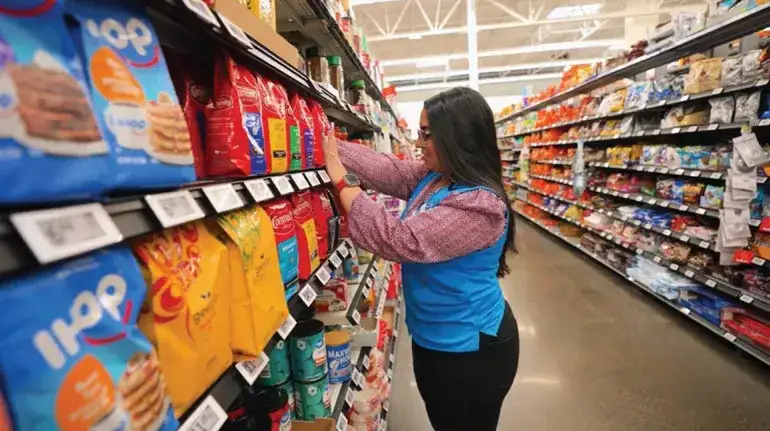
The company asserts that these digital labels allow for centralized pricing coordination, ensuring that prices displayed on shelves precisely match those charged at checkout. Walmart claims that staff will continue to oversee all price adjustments to maintain its 'Everyday Low Price' commitment. The company states these labels are primarily a communication tool to modernize price display, not a system for dynamic or surge pricing.
Read More: Sephora shampoo recall April 2026 Oribe and Amika safety update

Efficiency and Operational Shifts
The transition to digital shelf labels is presented as a significant boost to store operations. Walmart suggests that updating prices, which previously could take up to two days using paper tags, can now be accomplished in mere minutes with the electronic system. This enhanced speed is also cited as a benefit for 'online order fulfillment'. The technology, sourced from companies like France-based VusionGroup, promises to reduce the manual labor associated with price changes for store associates.
Sparking Questions About Pricing Dynamics
While Walmart emphasizes the stability of its pricing, the move to a system capable of changing prices in as little as ten seconds has sparked broader debate within the retail sector. Critics and observers question whether the underlying capability for more frequent price adjustments could eventually alter established pricing strategies. The National Retail Federation has issued statements to assuage these concerns, noting that such labels are 'communication tools, not decision-making systems' and do not inherently support constant price fluctuations or customer tracking.
Read More: Chrome mimeHandler API lets extensions handle file types
Background: A Gradual Adoption
Walmart's nationwide deployment follows a period of testing, including a trial at a single supercenter in Grapevine, Texas. This expansion places Walmart in line with other retailers who have been slower to adopt similar 'electronic shelf labels' (ESLs) in the U.S. grocery market. The company's commitment to this technology is framed as a permanent fixture in its retail strategy, marking what some describe as a 'new era for physical retail stores.'