Housing Takes Primacy in State Spending
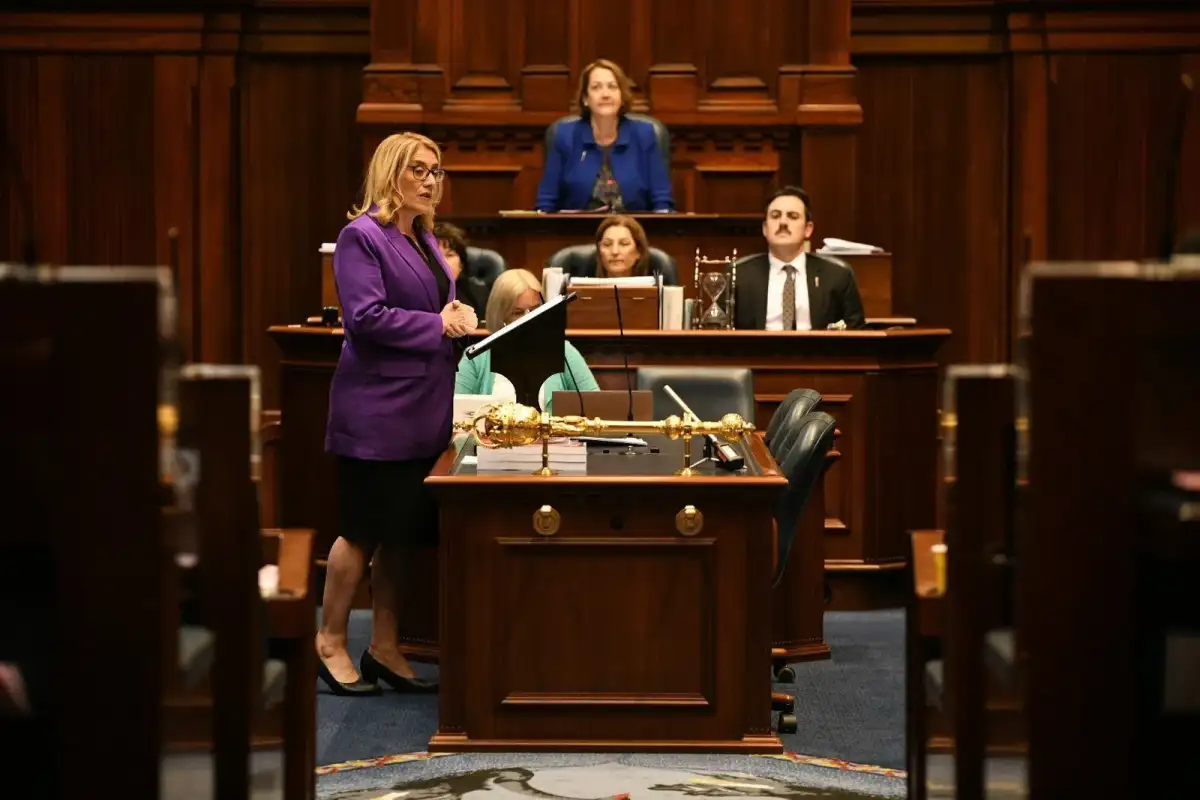
The 2026-27 Western Australian state budget puts housing initiatives squarely at its forefront, with a substantial $4.7 billion commitment announced. This pre-budget outlay signals a significant focus on addressing the state's housing crunch. Key measures include adjustments to stamp duty thresholds and enhanced concessions for first-home buyers, alongside efforts to promote denser urban living spaces. Treasurer and Deputy Premier Rita Saffioti has indicated that further announcements regarding health and the cost of living will accompany the budget. She highlighted that the budget is "very much focused on WA households," citing family pressures amplified by recent global events as a driving force behind these priorities. The state's persistent housing challenges, exacerbated by population growth, are being directly confronted with this large-scale investment.
Fiscal Tightrope Walk
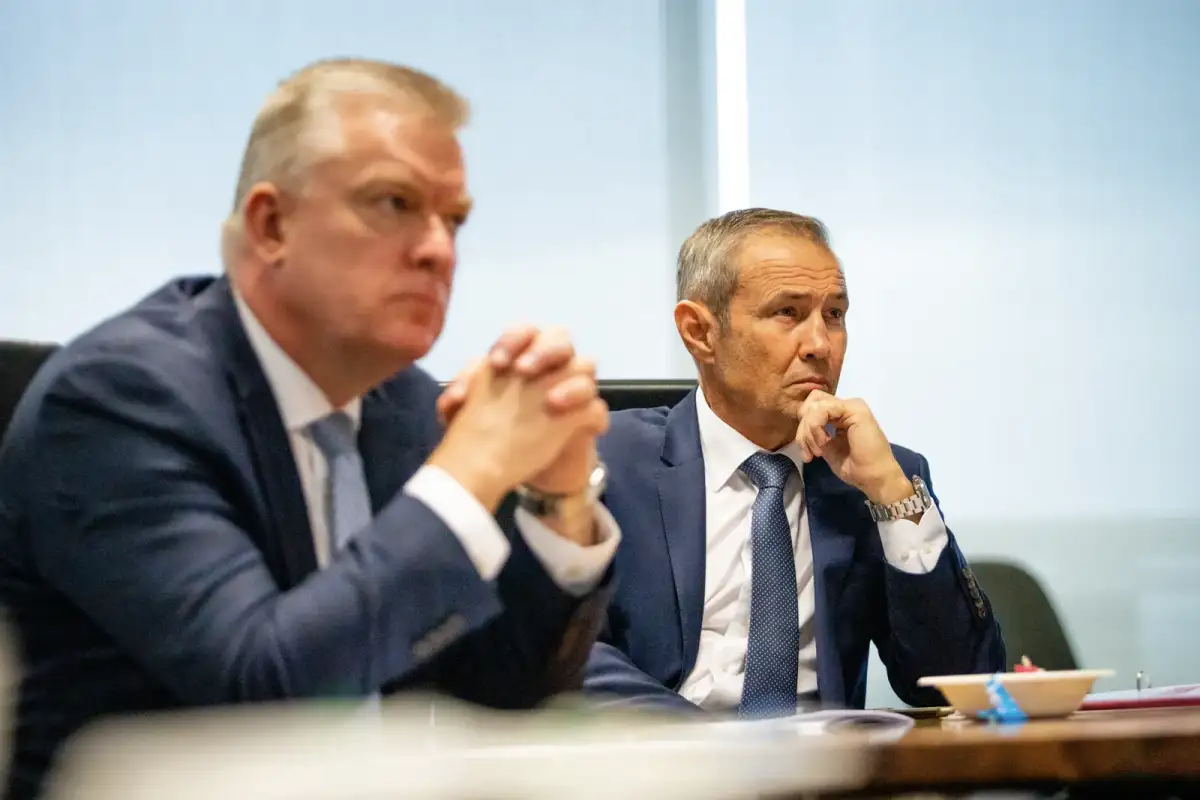
Despite significant spending on housing and cost-of-living relief, the state is reportedly on track for its seventh consecutive budget surplus. However, this financial balancing act is occurring against a backdrop of climbing net debt and warnings from the Reserve Bank about government spending potentially fuelling inflation. The government has chosen to proceed with these spending plans, signaling a prioritization of immediate economic relief over more conservative fiscal approaches.
Read More: Solaris Energy SEI Stock Price Forecast Reaches $91.98 by July 2027
Economic Context and Prior Announcements
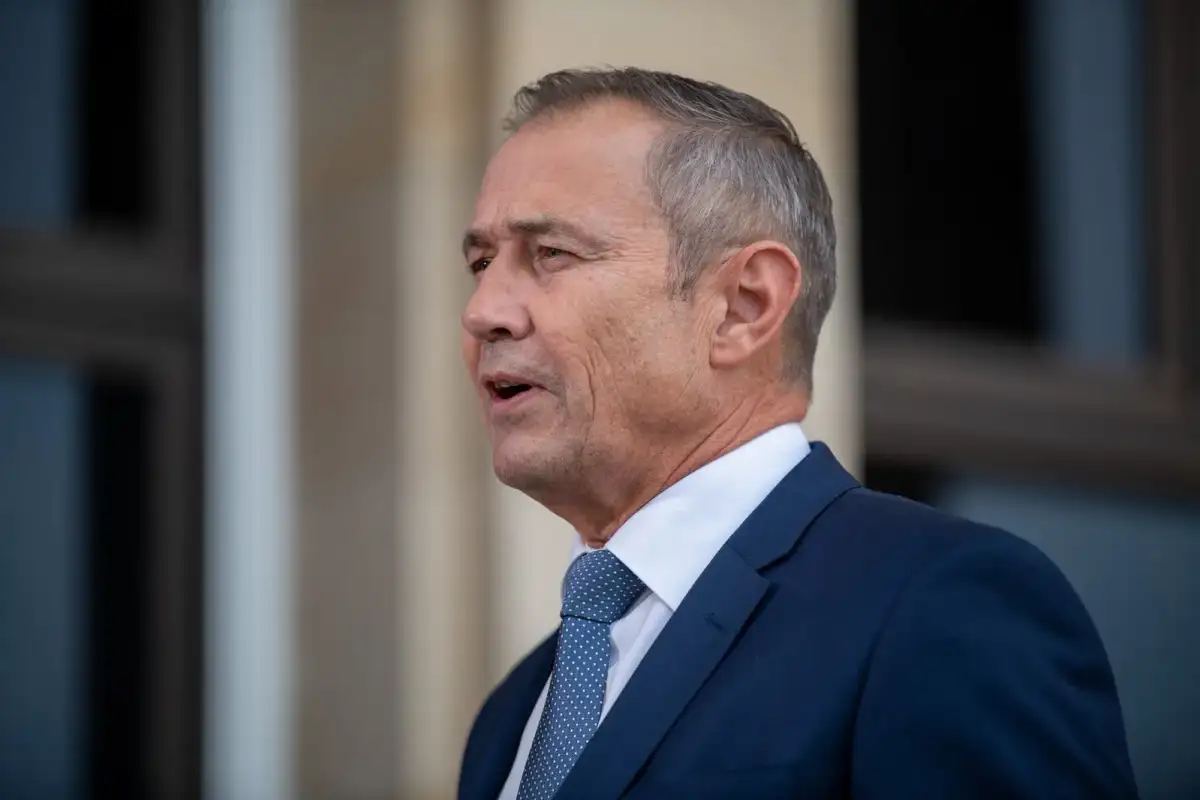
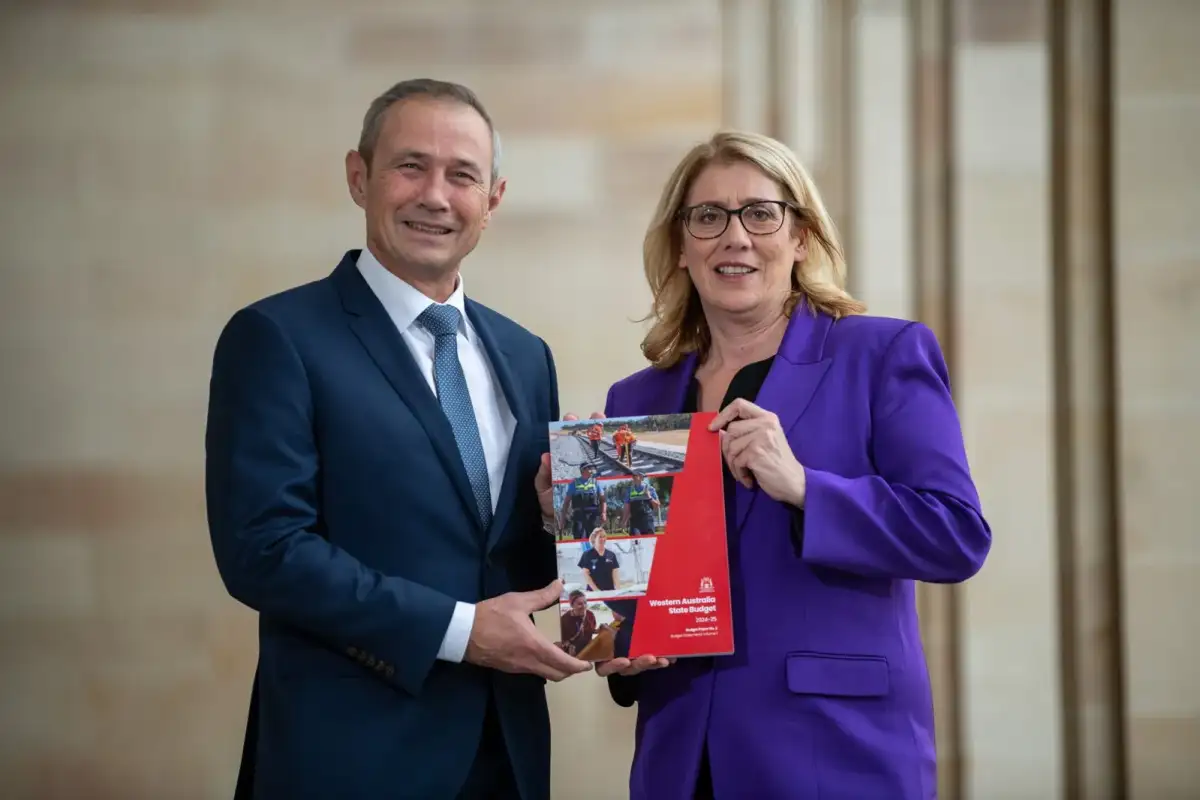
This year's budget, delivered by Treasurer Rita Saffioti and Premier Roger Cook, aims to position the state to navigate global instability. Previous budgets have also seen a strong emphasis on housing. For instance, in May 2024, the government increased the first-homebuyer stamp duty exemption threshold, a move aimed at tackling both cost-of-living pressures and the housing deficit driven by a significant population increase. This consistent focus suggests a strategic, albeit potentially strained, approach to managing the state's economy through key social and infrastructural challenges.
Read More: Shark Kills Spearfisherman Near Albany on July 5 2026
Health and Infrastructure Investments
Beyond housing, the government has also earmarked funds for other critical areas. Recent announcements include:
A $2.1 billion allocation for new schools and infrastructure upgrades over four years.
$1.5 billion directed towards WA hospitals, including a $500 million boost to the Building Hospitals Fund.
$70 million has already been committed to ongoing cost-of-living relief, such as free Sunday public transport.
A Shift in Fiscal Philosophy?
The budget's approach, while prioritizing essential services and relief, has drawn some commentary. Rita Saffioti has previously described the budget as one that "delivers the essentials," suggesting a pragmatic rather than a flashy fiscal strategy. The state's economic performance, partly fueled by iron ore revenues, has provided the capacity for these significant outlays. However, the increasing reliance on spending to manage pressures, coupled with fluctuating commodity prices and infrastructure project delays, presents an ongoing fiscal dynamic. The budget's success will likely be measured by its ability to alleviate immediate pressures without jeopardizing long-term financial stability.
Pre-Budget Landscape
The period leading up to the budget has seen numerous government announcements addressing various "spot fires" – issues requiring urgent attention. Housing approvals had reportedly risen by 45 percent by April, and the rental vacancy rate had increased from a low 0.5 percent to 2.8 percent, suggesting some market shifts, though affordability remains a persistent concern for many, like single mother-of-five Mia John Toru, who faces significant rental burdens.
Read More: Rocket Companies brand update in April 2026 changes logos and names