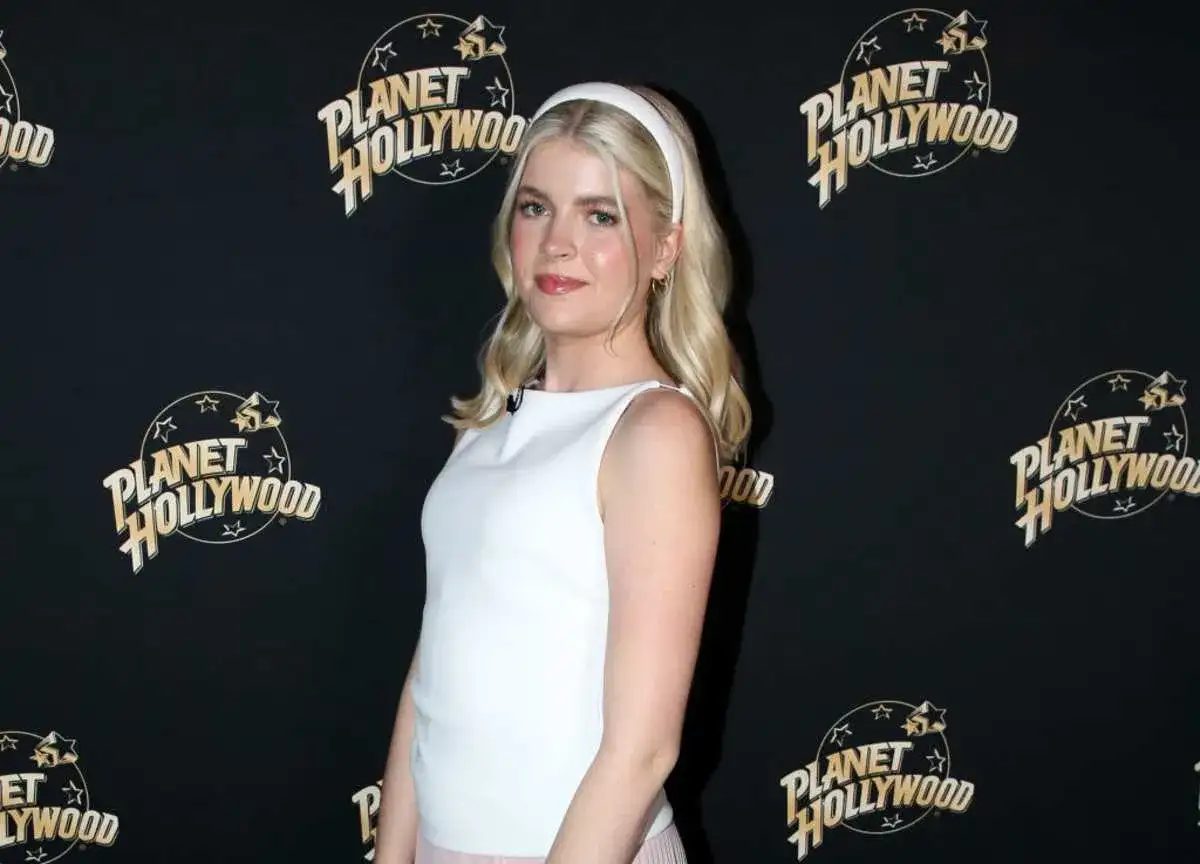
As the 2026 Eurovision Song Contest approaches—scheduled for broadcast from May 13–17—the Australian representative, Delta Goodrem, has pivoted her public narrative toward the spiritual and artistic legacy of the late Olivia Newton-John. While the contest remains a friction point for global politics, Goodrem is framing her participation through a lens of private heritage and historical continuity rather than competitive geopolitics.
| Focus Area | Core Strategic Stance |
|---|---|
| Geopolitics | Deflection toward "cultural connection" |
| Artist Identity | Multi-hyphenate singer-instrumentalist |
| Narrative Hook | Shared cancer journeys & spiritual "guidance" |
The core of Goodrem’s campaign relies on the intentional blurring of her own artistic identity with that of her predecessor, Newton-John. This process is not incidental; it is a structural pillar of her current performance.
Inherited Narrative: Goodrem cites her portrayal of Newton-John in the 2018 biopic Hopelessly Devoted to You as a moment that solidified their relationship. She describes this professional exercise as "DNA," suggesting an ontological overlap between the two figures.
Symbolic Utility: By positioning herself as a vessel for both Newton-John and Celine Dion, Goodrem utilizes established pop-cultural capital to navigate the high-stakes, volatile environment of the Eurovision stage.
Patriotism as Currency: Goodrem frames Australia’s 11-year involvement in the contest as a communal "journey," distancing herself from the logistical or political criticisms often levied at Australia's participation in a European event.
The Mechanism of Connection
The public framing of this mentorship serves as a buffer against the typical demands of international pop competition. By characterizing her presence on stage as an act of guidance from the "angels," Goodrem shifts the discourse away from the uncertainty of international voting blocs and toward the safer, immutable realm of personal grief and tribute.
Read More: MAFS Couple Melissa and Bryce Show New Look in Melbourne
The relationship between Goodrem and Newton-John—rooted in a chance encounter and a shared experience with oncology—is now presented as a foundational element of the Australian entry.
"I do feel the angels… I would say that’s my DNA." — Delta Goodrem, reflecting on her creative lineage.
Investigative Context
The Eurovision Song Contest serves as a persistent site for debates regarding cultural borders and soft power. Australia’s continued participation (now in its second decade) requires constant validation through narratives of unity and global reach. Goodrem’s decision to center her performance on the late Newton-John—a global icon whose image is deeply tied to Australian national identity—acts as a stabilizer. It anchors a performance that could otherwise be dismissed as a geographical anomaly into a recognizable, sentimental, and safe cultural framework.
For the audience, the signal is clear: the performance is less a political statement and more a rehearsal of national and personal iconography.
Read More: Galifianakis Says Comedians Should Challenge Trump, Not Praise Him