

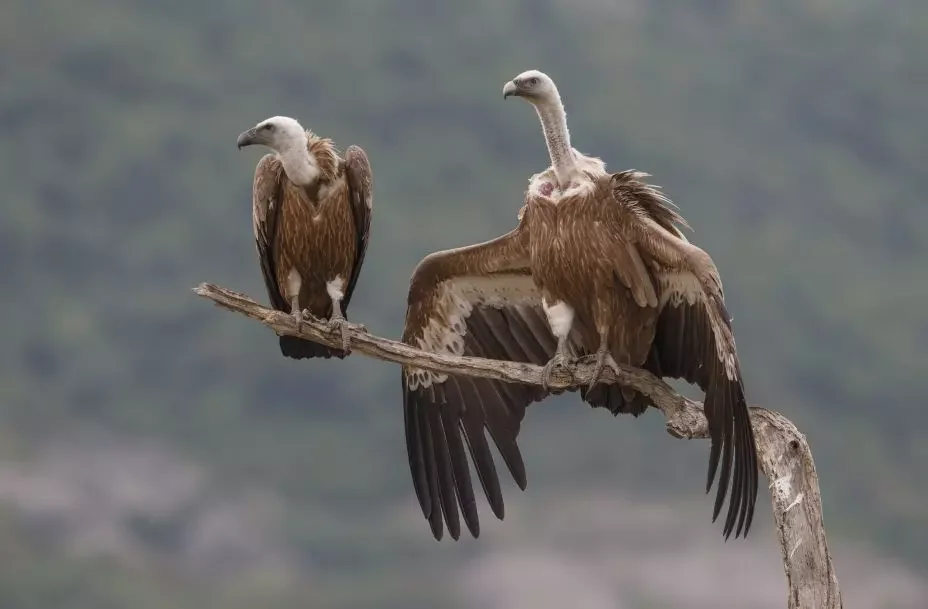
State workers in Madhya Pradesh finished a three-day tally this February, marking a head-count of over 14,000 vultures. This number suggests the population of these bone-cleaners has doubled over the last ten years. The count, managed by the Forest Department across 16 circles and 64 divisions, places this region as the primary cluster for the birds in India.
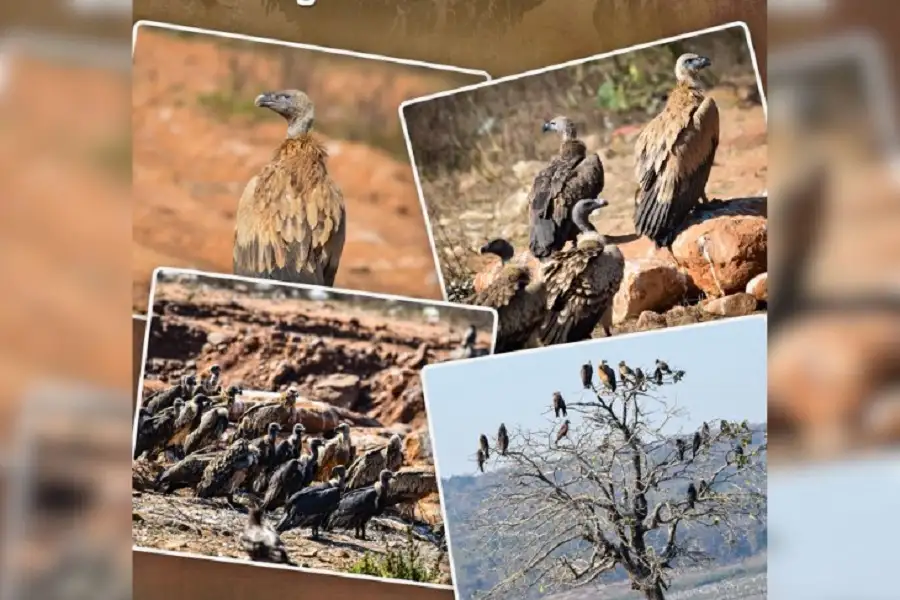
The census focused on February 17-22 to catch both locals and winter travelers.
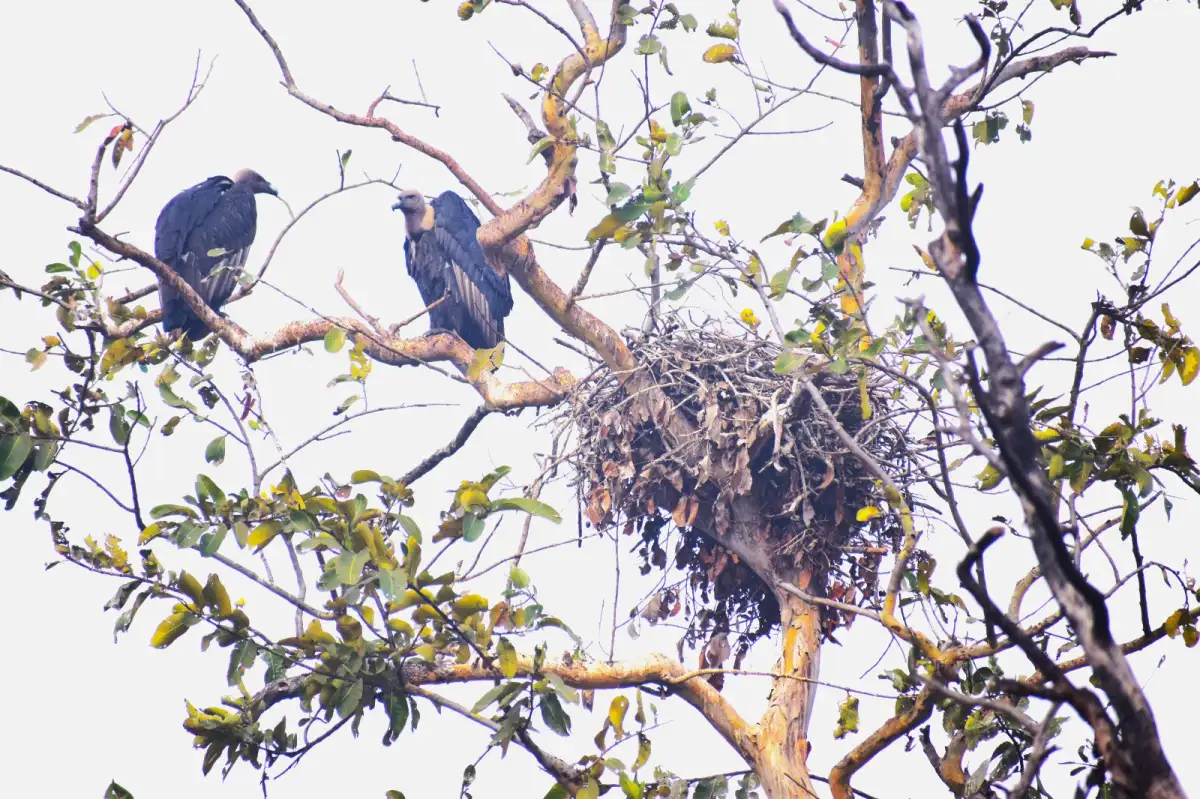
Only vultures at nesting sites and their newborns were tallied to avoid double-counting the drifters.
Seven distinct species were noted, split between four that stay and three that pass through.
The tally surpassed 12,000 early in the count, eventually hitting the 14,000 mark.
"The vulture population has increased significantly… raising the prospect of earning it the tag of 'vulture state'," noted L Krishnamurthy, a wildlife official.
The Fragile Mechanics of Survival
The return of these birds is not a sudden bloom but a slow crawl back from near-erasure. The ban on Diclofenac, a cheap cattle drug that once melted vulture kidneys by the millions, remains the main reason these birds haven't vanished. In Bhopal, the Van Vihar park now keeps more than 100 birds, specifically the white-rumped variety which had almost blinked out.
| Species Name | Type | Survival Status |
|---|---|---|
| Indian White-backed | Resident | Critically Endangered |
| Red-headed Vulture | Resident | Critically Endangered |
| Indian Vulture | Resident | Critically Endangered |
| Egyptian Vulture | Resident | Endangered |
| Himalayan Griffon | Migratory | Near Threatened |
| Eurasian Griffon | Migratory | Stable/Winter Guest |
| Cinereous Vulture | Migratory | Winter Guest |
The math of vulture life is heavy. They lay one egg a year. This slow reproduction rate means any shift in the environment—a poisoned carcass or a lost tree—stalls the recovery for years.

Trans-Border Drifting
The birds do not recognize the maps drawn by men. Recent GPS tracking of a white-backed vulture showed a flight path from the dusty ground of Vidisha through Rajasthan, crossing into Pakistan, and ending in Afghanistan’s Mazar-e-Sharif. This reveals that local conservation efforts are tethered to the politics and land-use of neighboring nations.

Background: The Collapse and the Count
Vultures serve as the disposal system for the landscape, stripping rot before it can breed disease. In the 1990s, the scavenger population across South Asia collapsed by 99% due to the aforementioned livestock drugs.
The current census is a messy, manual process of humans watching nests. It happens in winter because the migratory species from the high Himalayas and Europe descend to the plains of Central India. While the "Vulture State" tag is a bit of branding for the local government, the raw data shows a rugged species managing a grim, quiet comeback in the cracks of a human-dominated geography.