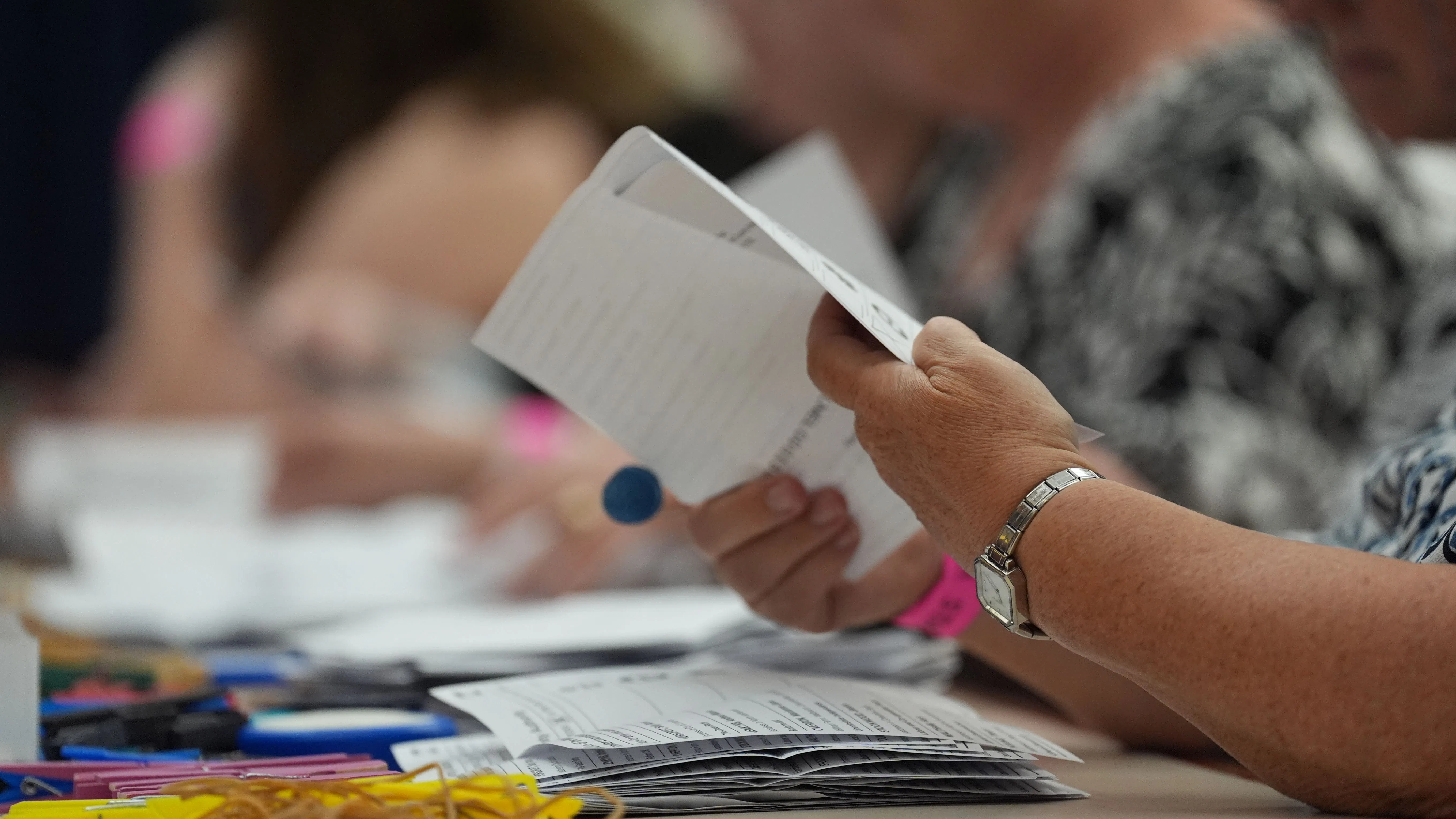
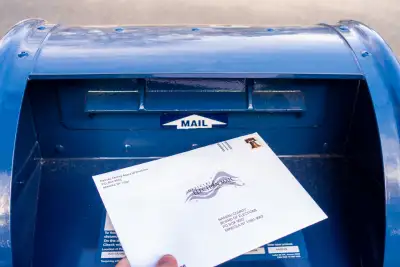
Paper envelopes now do the heavy lifting that physical booths used to handle. In England’s May 2025 local elections, 34% of all counted votes arrived by mail. This shift towards off-site voting is no longer a temporary pandemic quirk; it is a permanent thickening of the electoral process. Out of 317 councils, 134 held contests where the postal pile often determined the winner.

"You may well find that there are council elections determined where up to 50% of the vote will be postal vote." — Nigel Farage, Reform UK Leader.
Mail-in voting is most common in the Western US, while the South leans on early in-person booths. In the 2024 US general election, the combined total of early and mail-in ballots surpassed the 50% threshold of all participation. The traditional "Election Day" has fractured into a multi-week window of paper and logistics.
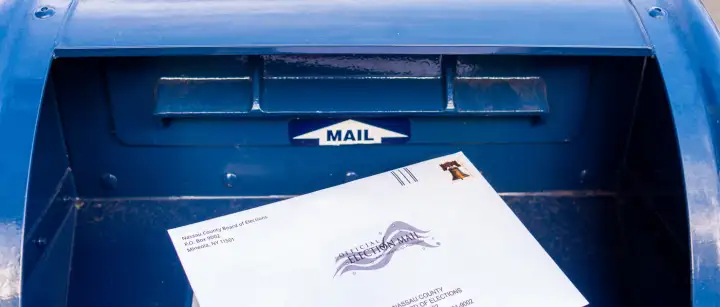
Comparative Voting Weights (2024-2025)
| Region | Primary Method | Estimated Share |
|---|---|---|
| England (Local) | Postal Ballots | 34% of total turnout |
| USA (General) | Early/Mail-in | >50% of total turnout |
| Western US | Mail-in | Highest regional concentration |
| Southern US | Early In-Person | Highest regional concentration |
The Friction of Verification
Political actors continue to use the slow crawl of paper counting to stir up doubt. In the US, claims of noncitizen voting and machine glitches were thick on platforms like X during the 2024 cycle. However, the noise usually stops when the numbers favor the complainers.
Read More: Aboriginal Voters Turned Away From SA Polling Stations on Election Day
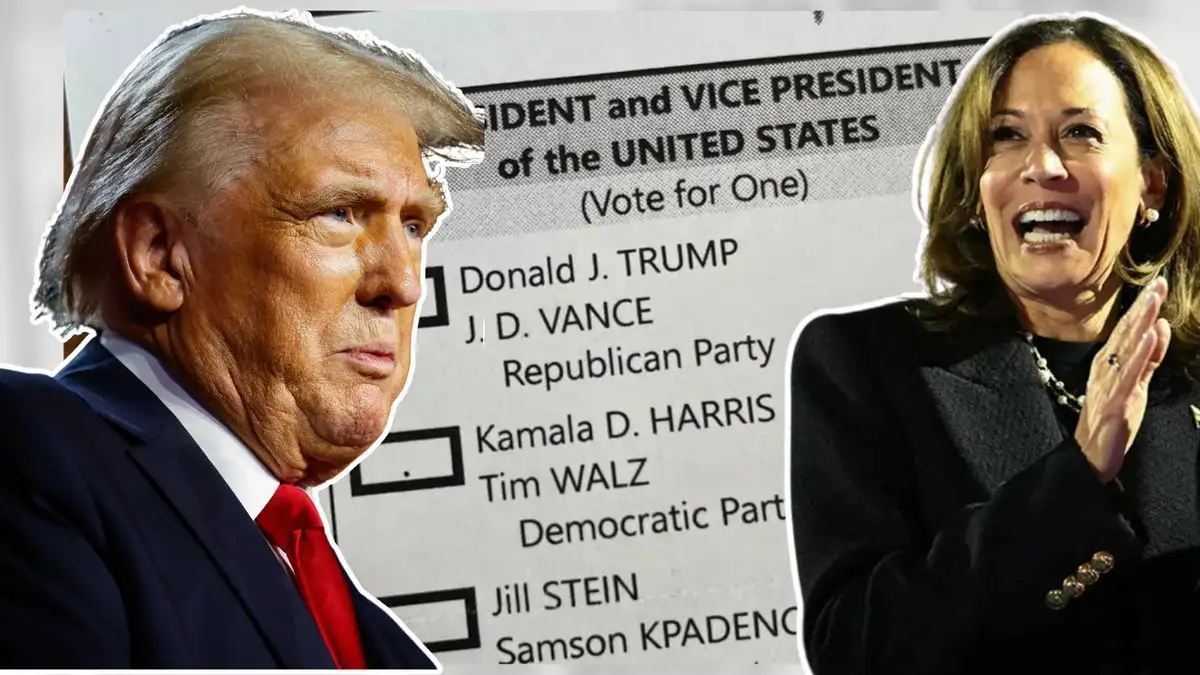
In Pennsylvania, fraud claims were loud until Donald Trump secured the state, at which point the accusations of "chicanery" largely went silent.
The Electoral Commission in the UK notes that those registered for postal votes are simply more likely to actually finish the task of voting compared to those who have to walk to a school gym or church hall.
Fraud experts admit that mail-in systems are slightly more vulnerable to small-scale meddling than iron-clad in-person booths, but the mass-scale "theft" narratives remain unproven ghosts in the machinery.
Background: The Widening Gap
The move away from the Tuesday booth is lopsided and messy. While President Trump launched fresh assaults on mail-in ballots during his second-term rhetoric in August 2025, his own party utilized the same systems to win.
Historical context shows that even figures like Jimmy Carter—often cited by skeptics of mail-in voting—were actually advocates for the expansion of the practice. The data suggests we are moving toward an asymmetrical system where the "Election Night" result is merely a partial snapshot, waiting for the heavy bags of mail to finish the story. In New York and elsewhere, the Associated Press now relies on "expected vote" models—math-heavy guesses based on registration and past habits—because the actual paper count moves too slow for the 24-hour news cycle.
Read More: Tess Daly wears wedding ring in London after split from Vernon Kay