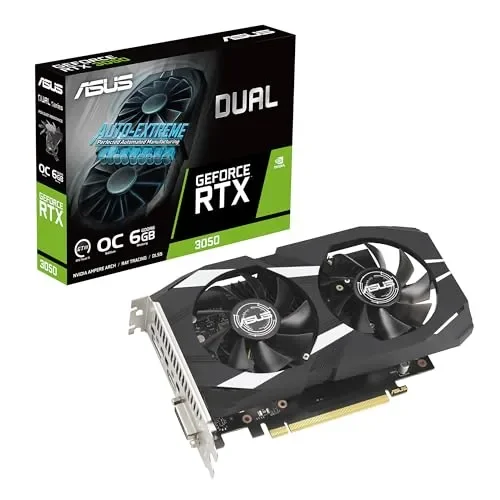
The modern graphics processing unit (GPU) landscape as of May 17, 2026, reveals a fragmented market where raw power is increasingly subordinated to memory constraints and proprietary software solutions. Current testing indicates that insufficient VRAM is a more critical failure point for gaming performance than raw compute power. For high-fidelity 4K rendering, 16GB of video memory is now the functional baseline, regardless of the card's shader count or clock speed.
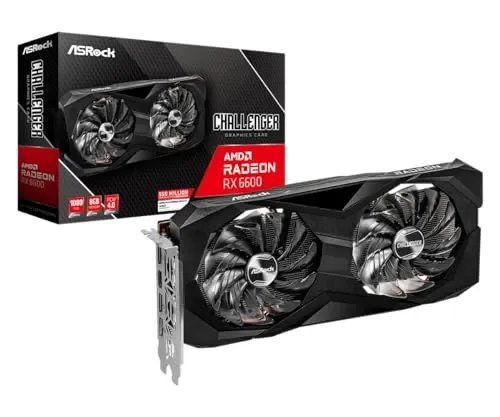
VRAM scarcity outweighs raw silicon performance in modern gaming titles.
Multi-Frame Generation technology has become the primary metric for reaching triple-figure frame rates, particularly on Nvidia GeForce RTX 50-series hardware.
The reliance on upscaling and frame-filling techniques masks underlying hardware limitations, often at the cost of input latency.
Market Hierarchy and Performance Clusters
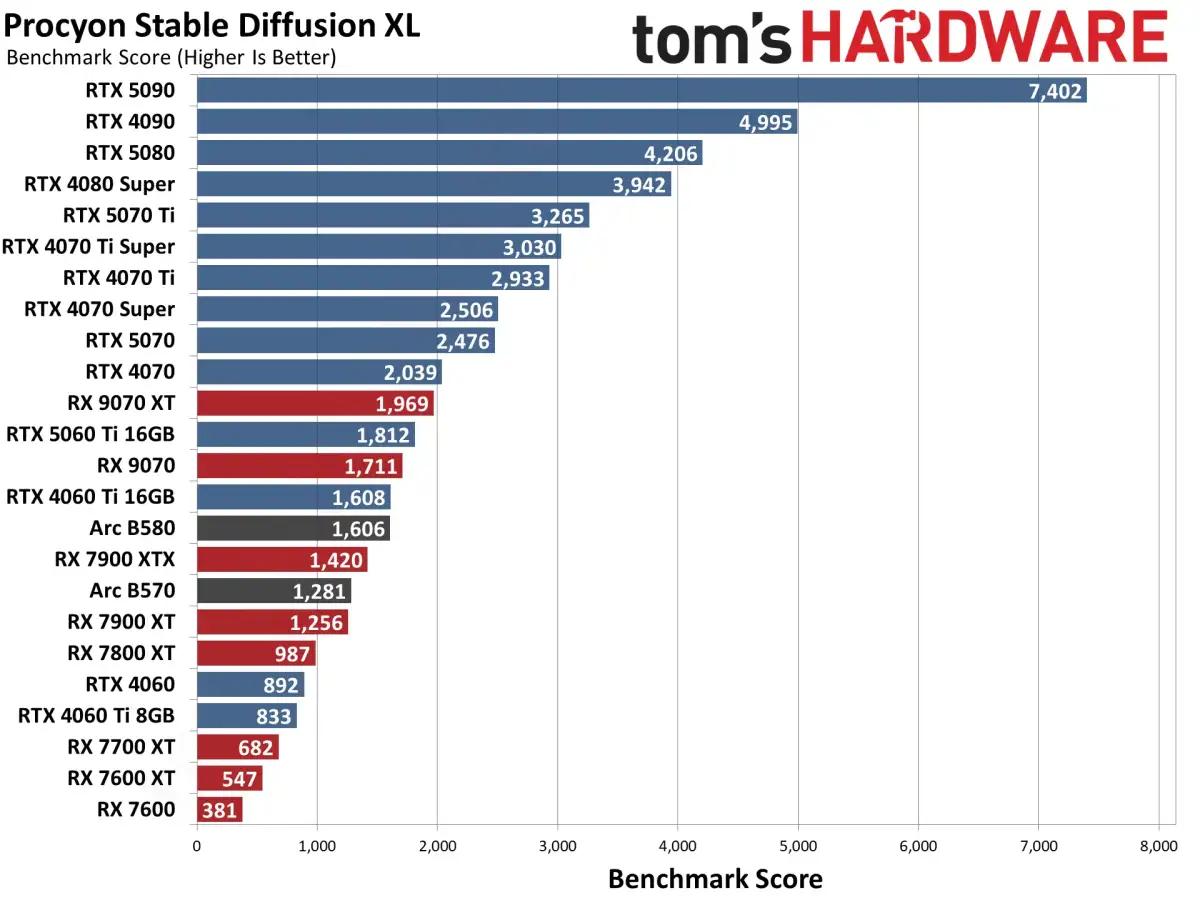
The current market for graphics hardware is split into distinct segments dictated by thermal efficiency and software support. While AMD’s Radeon RX 9070 maintains status as a high-performance all-rounder, Nvidia continues to dominate the premium 4K segment through exclusive access to DLSS and multi-frame generation frameworks.
| Segment | Primary Recommendation | Critical Attribute |
|---|---|---|
| Budget | RTX 5050 / Arc B570 | Reliability & Entry-level price |
| Mid-Range | RX 9070 XT | Thermal headroom for undervolting |
| High-End | RTX 5090 | 4K Frame Gen capability |
| Value | RX 9060 XT (16GB) | Cost-per-GB efficiency |
Design vs. Utility
The discourse surrounding GPUs has drifted into the aesthetic, with consumer focus shifting toward chassis-integrated ARGB lighting. The PNY RTX 5060 Epic-X has emerged as a focal point in this trend, prioritizing the visual integration of triple-fan layouts. This shift highlights a departure from pure performance metrics, suggesting that for many users, the GPU is as much a component of a room's aesthetic as it is a computational device.
Read More: New GPUs Use 10,752 Cores for AI and Gaming
Technical Limitations of Modern Architecture
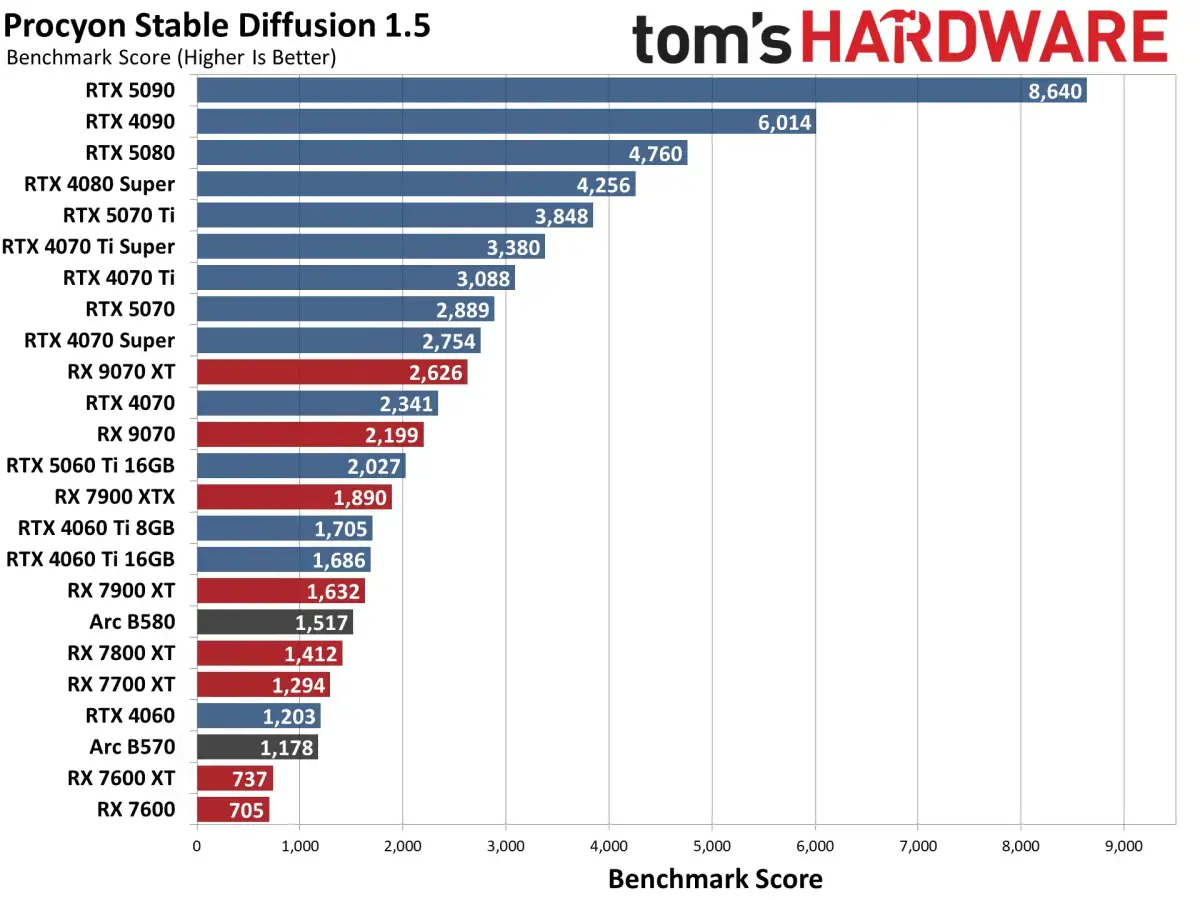
The persistent trade-off in the 2026 hardware cycle remains the tension between raw frame rate and input latency. While cards like the RTX 5090 achieve impressive output—often exceeding 200 FPS using multi-frame generation—the resulting input lag creates a sluggish experience in high-motion scenarios.
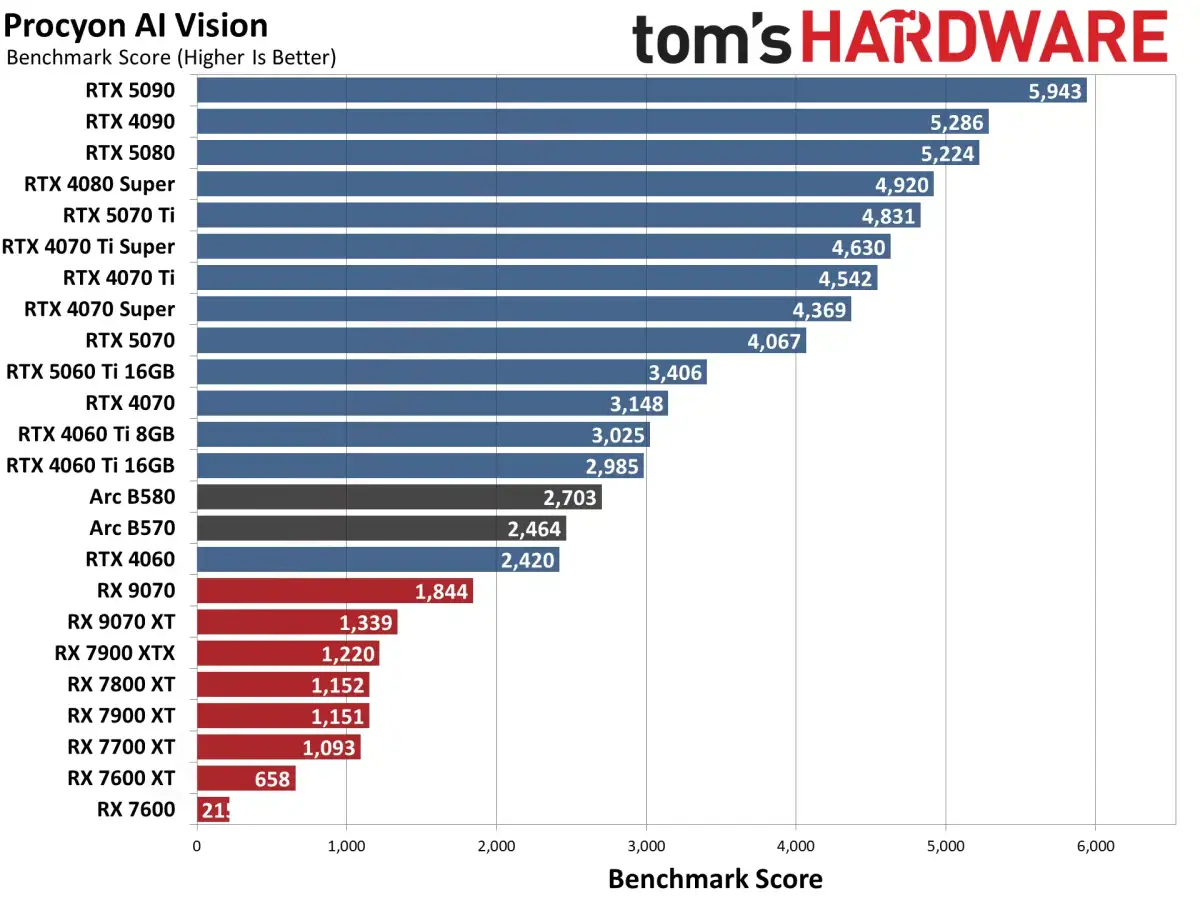
Latency spikes are frequently observed when frame generation settings are pushed beyond double-capacity (x3 or x4), suggesting that software-induced speed is not an equivalent replacement for native render times.
The market reflects a clear divide: those with ultra-high refresh rate monitors favor software-interpolated frames, while others prioritize native rendering stability.
Investigative note: The evolution of the GPU hierarchy over the past two years demonstrates that hardware manufacturers are no longer competing solely on rasterization speed. Instead, the battle has moved to the memory controller and the efficiency of AI-driven upscaling. Users are advised to audit their PCIe generation requirements, though current testing suggests minimal impact on real-world gaming frames compared to memory throughput.