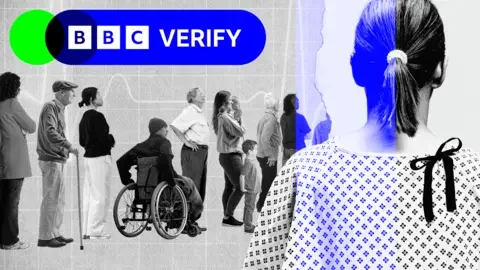
A Widening Gulf: Public Dissatisfaction with Political Representation
Recent discourse and voter sentiments reveal a widespread perception that politicians live lives markedly different from those of ordinary citizens. This sentiment appears to fuel a persistent lack of faith in the political establishment, with specific events like the Mandelson appointment seemingly reinforcing, rather than altering, these deeply held views. Voters express a feeling of not being understood by those in power, leading to questions about the genuine connection between elected officials and the populace they serve.
The Nature of Voter Decisions
Voters' choices at the ballot box are influenced by a variety of factors. These include:
Policy preferences: General alignment with a party's or candidate's proposed actions.
Specific issues: Focus on a particular topic that holds significant weight for the voter.
Prospective or retrospective outlook: Voting based on future promises or past performance.
Read More: Trump Disagrees with Federalist Society, Judge Stops His Courtroom Talk
It is complex to determine the primary driver for any single voter, as these elements can interact in nuanced ways.
The Mandelson Appointment: A Case Study in Political Judgement
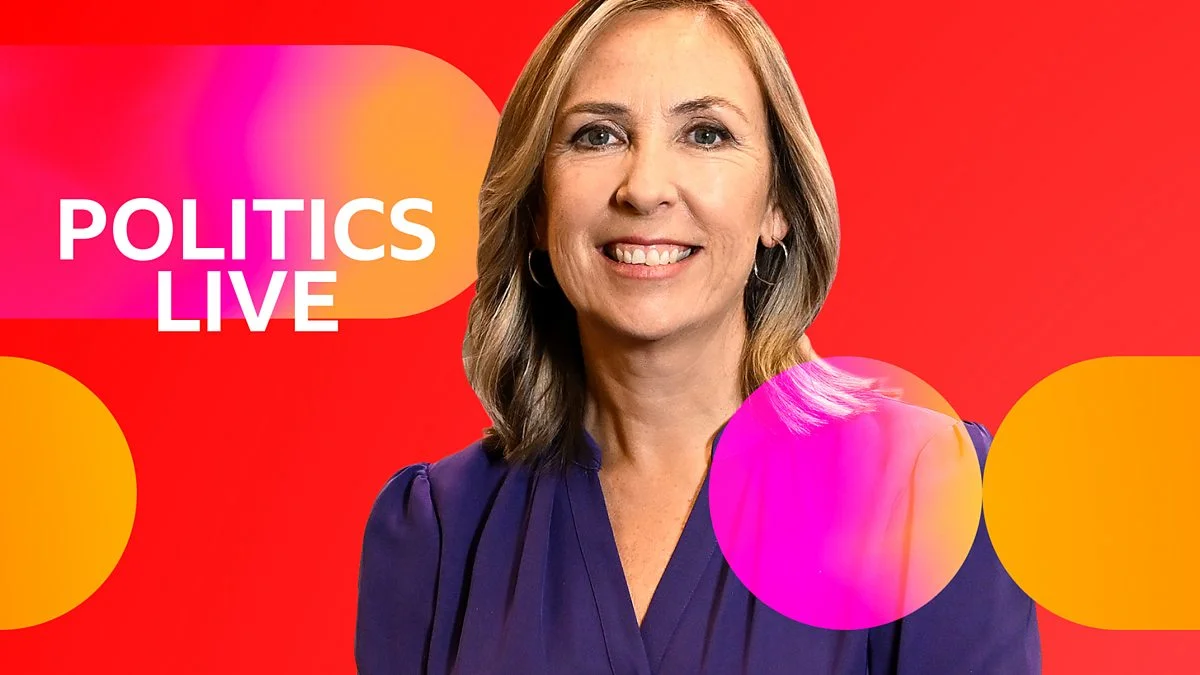
The appointment of Peter Mandelson has become a focal point of discussion regarding the Prime Minister's decision-making. Revelations about Mandelson's conduct have reportedly led to increased scrutiny and questions about the Prime Minister's judgment. This situation highlights how specific personnel choices can ignite public debate and reflect on the leadership's broader approach. The BBC's Politics Live program has featured this issue, indicating its prominence in the political conversation.

Challenges in Understanding Ordinary Citizens
Research suggests that individuals in positions of power, including politicians, may face inherent difficulties in fully grasping the experiences of those with different socioeconomic backgrounds.
Perception of Circumstance: Those with higher social status may be less inclined to attribute life outcomes to external circumstances, instead emphasizing individual agency. This can lead to a reduced empathy for people facing systemic barriers.
Focus on Individualism: In more individualistic cultures, there is a greater tendency to view people as being in control of their own destinies, potentially overlooking societal influences.
Observational Differences: Individuals from lower social strata often demonstrate a heightened awareness of subtle social cues, suggesting a greater instinctive effort to gauge the feelings and intentions of those around them for self-preservation or navigation. This contrasts with the potential for those in elevated positions to be less attuned to such nuances.
Democracy: A Shifting Definition for Politicians?
The perception of democratic principles by politicians can appear to be malleable, particularly depending on the outcome of elections.
Read More: UK Economy Grows Very Slowly

Satisfaction and Electoral Integrity: Evidence suggests that politicians' satisfaction with democracy is higher when elections are perceived as free and fair. When electoral integrity is low, those who lose elections express significantly less satisfaction than those who win.
Winning vs. Losing: Winners, however, may exhibit a greater tolerance for lower electoral integrity when assessing their own satisfaction with the democratic process, suggesting a discrepancy in how electoral fairness is valued based on personal success.
Expert Insights on the Voter-Politician Divide
Dr. John Harris, in his commentary, articulates a common voter sentiment: "Politicians ‘don’t live how we live’, voters tell me." This concise summary encapsulates a core issue of disconnect.
Commentators on The Conversation have explored the paradoxical support for leaders who may undermine democratic institutions. One expert noted that while commitment to democracy is strong, "many people who claim to care about democracy also support political leaders and movements that have attacked democratic institutions and values." This can occur when other political objectives, such as securing "significantly better economic outcomes," are prioritized over defending democratic norms.
Read More: Lawmakers Question Attorney General Bondi on Epstein Files

The analysis of why politicians may find it hard to understand ordinary voters points to a potential inadvertent consequence of social standing. Those in higher positions may be "less likely to see people as victims of their circumstances," preferring explanations that emphasize individual control over events.
Conclusion: An Unresolved Disconnect
The available information strongly indicates a persistent sentiment among voters that politicians are out of touch with their daily realities. The Mandelson appointment incident serves as a contemporary example that appears to have solidified, rather than shifted, these perceptions of political detachment. The underlying reasons for this disconnect are multifaceted, involving differences in life experience, socioeconomic perspectives, and potentially even how democratic principles are interpreted by those in power, especially in relation to electoral success. Addressing this pervasive feeling of estrangement will likely require more than superficial gestures and demands a deeper examination of the societal and structural factors that contribute to it. Further investigation into the specific policy preferences and motivations driving voter behavior, as well as more in-depth qualitative studies of how politicians perceive and interact with different segments of the population, are warranted.
Sources Used
The Atlantic: "Politicians Think Voters Are Dumb. Are They Right?" published March 25, 2025. This article discusses voter decision-making and perspectives on policy.https://www.theatlantic.com/podcasts/archive/2025/03/what-politicians-really-think-of-voters/682154/
The Conversation: "Why do people continue to support politicians who attack their democracies? Expert Q&A," published May 1, 2025. This piece explores the complexities of voter support for anti-democratic leaders and the prioritization of other political goals.https://theconversation.com/why-do-people-continue-to-support-politicians-who-attack-their-democracies-expert-qanda-255565
The Conversation: "Why politicians may find it hard to understand ordinary voters," published July 1, 2024. This article examines the influence of social status and cultural background on politicians' ability to empathize with and understand diverse voter experiences.https://theconversation.com/why-politicians-may-find-it-hard-to-understand-ordinary-voters-232759
The Conversation: "How do politicians view democracy? It depends on whether they win or lose," published July 27, 2025. This study analyzes how electoral outcomes and integrity affect politicians' satisfaction with democracy, revealing potential biases.https://theconversation.com/how-do-politicians-view-democracy-it-depends-on-whether-they-win-or-lose-261647
BBC News: "Politics Live - Available now." This program features discussions on current political events, including the Mandelson appointment and its implications for the Prime Minister.https://www.bbc.co.uk/programmes/b0bjf8p5/episodes/player
Read More: Keir Starmer Faces Questions After Top Civil Servant Leaves and Controversial Appointments