Virgin Atlantic has resumed scheduled flights between London Heathrow and both Dubai and Riyadh, marking a selective return to service as parts of Middle Eastern airspace undergo a staggered reopening. Despite this resumption, the broader regional aviation network remains heavily fractured following military actions involving US and Israeli strikes on Iran, which triggered widespread closures.
Flight Status and Operational Divergence
The reality of regional transit is currently defined by inconsistency. While Virgin Atlantic has recommenced departures, other major carriers continue to hold ground.

| Airline | Status | Resumption/Deadline |
|---|---|---|
| Virgin Atlantic | Resumed | Operational (Dynamic routing) |
| Emirates | Suspended | 7 March (11:59 pm) |
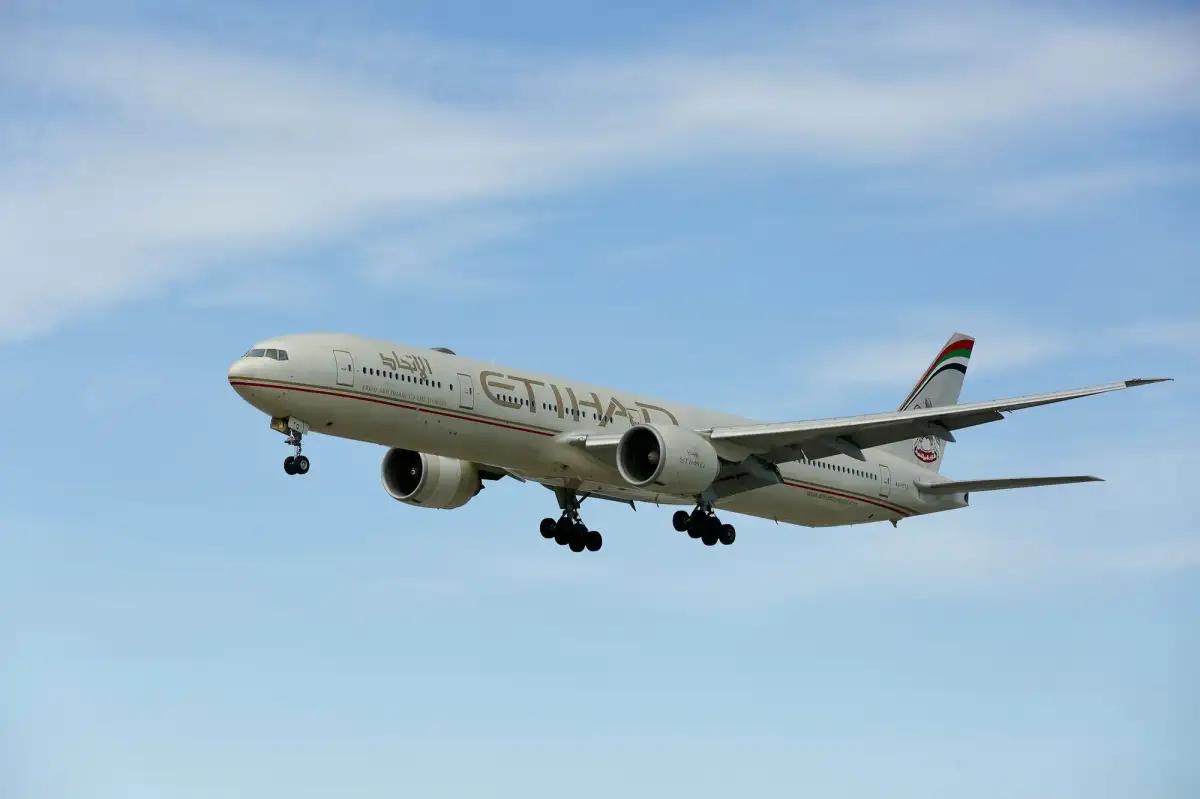
| Etihad | Suspended | 6 March (6:00 am) |
| Qatar Airways | Suspended | 6 March |
| flydubai | Partial | Limited operations |
Airlines are now relying on Dynamic Routing to circumvent high-risk zones.
These detours introduce Variable Flight Times, effectively replacing standard scheduling with tactical navigation.
The resumption is not a return to 'routine,' but a pragmatic attempt to balance Operational Constraints against the pressure of global logistics.
The Scale of Disruption
The volatility of the past week has turned the region’s primary hubs into stalled nodes of global connectivity. Between February 28 and March 3, over 12,300 flights were canceled across seven key airports, including Dubai International (DXB), Hamad International, and Zayed International.
The closure of these hubs represents more than just grounded passengers; it marks a structural Airspace Disruption that rippled through the intercontinental transit veins linking Europe, Africa, and Asia.
Read More: Fresno Airport $85 Million Funding Boost Improves Travel in April 2026

Background: The Architecture of Uncertainty
The current operational landscape is the result of direct kinetic events—specifically military engagements that rendered standard flight paths untenable. For global carriers, the region serves as a vital corridor. When that corridor is constricted by geopolitical friction, the aviation industry reverts from a system of automated schedules to a reactive state of "regular assessment."
While carriers maintain that safety remains a "priority," the terminology hides a fragmented landscape where each airline makes individualized decisions based on internal risk tolerance. The selective reopening suggests a piecemeal restoration of order, yet the high volume of remaining cancellations confirms that the return to baseline operations is currently aspirational rather than guaranteed.