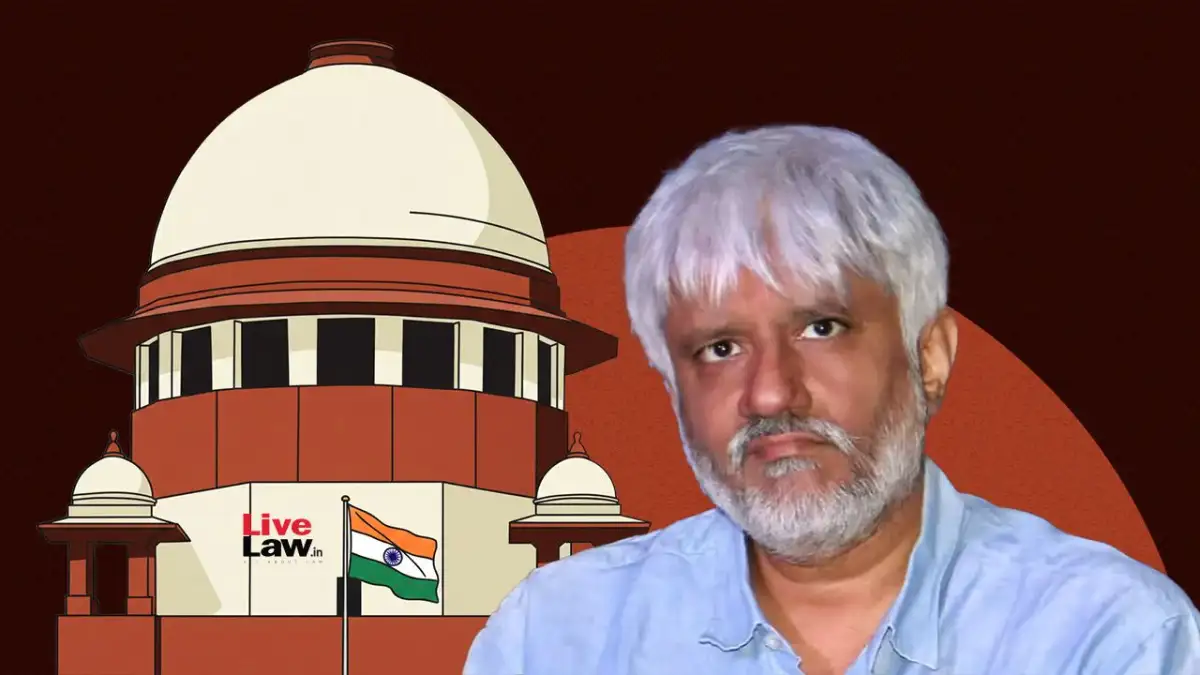
Filmmaker Vikram Bhatt and his wife, Shwetambari Bhatt, have been granted regular bail by the Supreme Court in a case involving allegations of cheating and misappropriation of funds amounting to approximately ₹30 crore. The court also directed the parties to attempt to resolve their dispute through mediation, suggesting the matter stems from a commercial disagreement. This decision overturns a previous denial of bail by the Rajasthan High Court, providing significant relief to the Bhatts, who had been arrested and held in jail since December.
Background of the Case
The legal proceedings against Vikram Bhatt and Shwetambari Bhatt originated from a complaint filed by Ajay Murdia, the owner of Indira IVF. Murdia alleged that the Bhatts persuaded him to invest over ₹30 crore in a proposed biopic on his late wife. He claimed that high returns were promised, but these did not materialize, and the funds were misappropriated.
Read More: Judge Reyes halts East Potomac Golf site work until April 21 2026

December: Vikram Bhatt and Shwetambari Bhatt were arrested in connection with the case.
January: The Rajasthan High Court rejected their bail applications.
Subsequent Weeks: Shwetambari Bhatt received interim bail from the Supreme Court.
Present: The Supreme Court has granted regular bail to both Vikram and Shwetambari Bhatt.
The case involves accusations of criminal conspiracy, the use of fake bills and vouchers, and collusion with vendors to misappropriate funds from Murdia's firm, Indira Entertainment. Vikram Bhatt had entered into an agreement with Murdia for the production of four films for ₹47 crore.
Supreme Court's Decision and Rationale
A bench of the Supreme Court, including Chief Justice of India Surya Kant, Justice Joymalya Bagchi, and Justice Vipul Pancholi, granted regular bail to the Bhatts. The court acknowledged that the dispute appeared to be primarily a result of a commercial transaction.

"The court said the dispute appeared to arise mainly from a commercial transaction and suggested that the parties try to resolve the matter through mediation." (Article 1)
The Supreme Court set aside the Rajasthan High Court's order that had denied them bail. The court emphasized the importance of exploring a settlement through mediation.
The grant of regular bail means the Bhatts will not be taken into custody unless bail conditions are violated, allowing the investigation and trial to proceed.
The court directed both parties to appear before the Supreme Court Mediation Centre.
Perspectives of the Parties
Vikram Bhatt's Defense: Bhatt, through his counsel Siddharth Dave, has denied the allegations. He has stated that he is raising funds to complete his films and that the police are being misled. Dave argued that the dispute was of a civil nature, not criminal.
Read More: Diler Movie Diwali 2026 Release Possible For Ibrahim Ali Khan
Ajay Murdia's Allegations: Represented by Senior Advocate Vikas Singh, Murdia's complaint details the alleged inducement to invest in a biopic and the subsequent non-realization of promised returns.
Mediation as a Way Forward: While Singh did not oppose bail for the purpose of mediation, he noted the existence of another FIR against Vikram Bhatt in Mumbai for a separate cheating offense. The court's emphasis on mediation suggests a desire to facilitate an amicable resolution of the financial dispute outside of protracted criminal proceedings.
Legal Nuances of Bail
Legal experts note that regular bail offers sustained legal protection, contingent upon compliance with court-imposed conditions. It does not signify an acquittal or a definitive finding of innocence. The Supreme Court's decision to grant regular bail, after having granted interim bail to Shwetambari Bhatt, indicated a leaning towards hearing the matter comprehensively.
Read More: Taylor Frankie Paul custody battle update as of April 7 2026
Related Legal Actions
The Supreme Court's decision to grant bail and direct mediation addresses the current case in Rajasthan. However, it was noted that another FIR has been registered against Vikram Bhatt in Mumbai for a different alleged cheating offense. This suggests that the legal challenges for the filmmaker may extend beyond the current dispute with Ajay Murdia.
Expert Analysis
Legal observers view the Supreme Court's direction for mediation as a practical approach to resolving disputes that have a strong commercial underpinning. By suggesting mediation, the court encourages parties to find a mutually agreeable solution, potentially saving time and resources compared to a full trial. The act of granting bail while directing mediation underscores the court's assessment of the situation as a financial disagreement rather than an egregious criminal act requiring pre-trial detention.
Conclusion and Next Steps
The Supreme Court has provided relief to Vikram Bhatt and Shwetambari Bhatt by granting them regular bail, effectively overturning the Rajasthan High Court's earlier decision. The directive for mediation signals the court's view that the core of the dispute lies in a commercial transaction that may be resolvable through negotiation.
Read More: Aamir Khan and Ashutosh Gowariker reunite for Lalkaar movie in 2026
Immediate Outcome: Vikram Bhatt and Shwetambari Bhatt are no longer subject to immediate custodial detention in this case.
Mediation: The parties are required to participate in mediation proceedings at the Supreme Court Mediation Centre.
Ongoing Investigation: Despite the bail, the investigation and any potential trial related to the allegations will continue.
Other Legal Matters: Vikram Bhatt faces another FIR in Mumbai, indicating potential ongoing legal challenges.
The outcome of the mediation will be crucial in determining the future course of this dispute. The Supreme Court's intervention highlights the potential for civil dispute resolution mechanisms within the broader legal framework.
Sources Used:
Bollywood Hungama: https://www.bollywoodhungama.com/news/bollywood/supreme-court-grants-bail-vikram-bhatt-wife-shwetambari-bhatt-sends-parties-mediation/ - Provides details on the bail, the nature of the case, and the parties involved.
Hindustan Times: https://www.hindustantimes.com/entertainment/bollywood/vikram-bhatt-wife-shwetambari-bhatt-granted-bail-by-supreme-court-in-30-crore-cheating-case-101771492991726.html - Details the bail grant, Bhatt's denial of allegations, and previous High Court rulings.
Lawbeat: https://lawbeat.in/top-stories/supreme-court-grants-regular-bail-to-vikram-bhatt-wife-in-30-crore-fraud-case-directs-mediation-1566472 - Reports on the regular bail, previous interim bail for the wife, and the accusation details.
NDTV: https://www.ndtv.com/entertainment/supreme-court-grants-bail-to-vikram-bhatt-and-wife-in-rs-30-crore-cheating-case-11070622 - Mentions interim bail for the wife, the Supreme Court setting aside the High Court's denial, and the direction for mediation.
LiveLaw: https://www.livelaw.in/top-stories/supreme-court-grants-bail-to-filmmaker-vikram-bhatt-wife-in-cheating-case-over-movie-deal-sends-parties-to-mediation-523769 - Highlights the bail, the mediation direction, and the court's observation about the commercial nature of the dispute.
News18: https://www.news18.com/movies/bollywood/vikram-bhatt-wife-granted-bail-by-sc-after-months-of-jail-time-in-rs-30-crore-biopic-row-9917115.html - Focuses on the bail after jail time and the Supreme Court's suggestion for mediation.
CNBC TV18: https://www.cnbctv18.com/entertainment/sc-grants-bail-to-filmmaker-vikram-bhatt-in-cheating-case-ws-l-19853649.htm - Details the bench, regularizing of interim bail, and the complainant's allegations.
Times Now: https://www.timesnownews.com/entertainment-news/bollywood/filmmaker-vikram-bhatt-wife-granted-regular-bail-by-supreme-court-in-rajasthan-fraud-case-article-153644549 - Explains regular bail and the relief granted, noting the case will proceed in Rajasthan.