SIGNIFICANT WAGE HIKES PROPOSED FOR VICTORIAN EDUCATORS
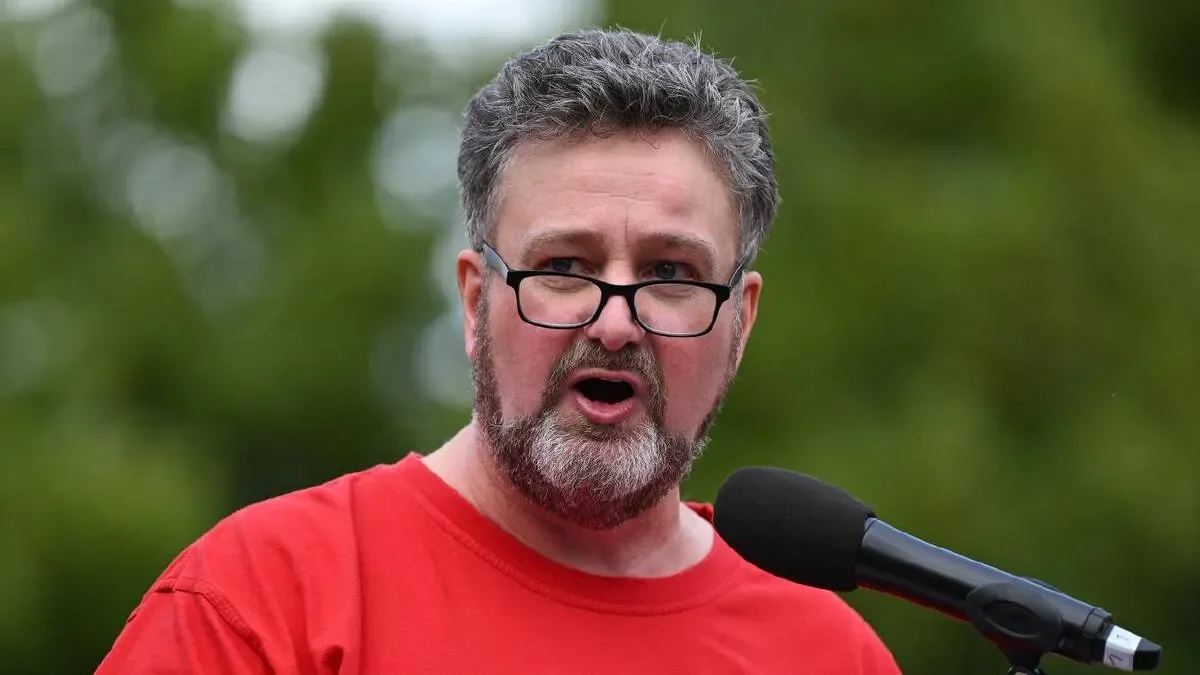
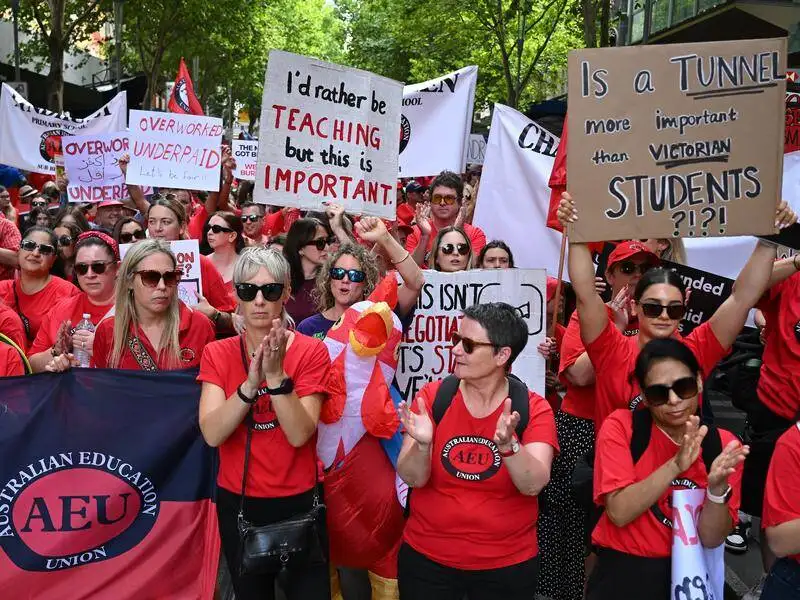
Victoria's public school teachers have been presented with a pay increase package offering up to 32.4 per cent, a move aimed at addressing years of stagnant wages and making the profession more competitive. The offer, endorsed in principle by the Australian Education Union (AEU), spans four years and would see base pay rise between 28.3 per cent and 32.4 per cent depending on a teacher's role and experience. This proposal follows a protracted period where teachers, particularly in Victoria, have faced a substantial real wage decline, estimated at around 11 per cent over the term of the previous agreement due to inflation. The AEU leadership is now tasked with persuading its 60,000 members to accept the deal, which aims to elevate Victorian public school teachers from their current standing as the lowest-paid in the nation to a more competitive level with their interstate counterparts.
Read More: Google Learn About AI Tool Released April 2026 For Simple Learning
TERMS OF THE PROPOSED AGREEMENT
The offer, which emerged after ongoing industrial action and negotiations, includes specific allocations for different levels of the teaching profession. Those at the lower end of the pay scale stand to benefit most significantly, with increases tapering down to 28.3 per cent for those in the upper salary brackets. While the union had initially pushed for a 35 per cent increase over three years, along with demands for reduced face-to-face teaching time and smaller class sizes, the current proposal does not explicitly address the reduction in teaching load. However, it does introduce an additional three student-free days per year, on top of the existing five. Scheduled strikes that were slated for May and June have been put on hold pending a ballot of union members on the government's offer.
WIDER CONTEXT OF TEACHER PAY ACROSS ENGLAND
Meanwhile, in England, teachers, alongside doctors and dentists, were recently offered a 4 per cent pay rise. This figure, however, is part of a broader package that includes differentiated increases for various public sector roles. For instance, resident doctors are set to receive an additional £750, reportedly bringing their average increase to 5.4 per cent, while NHS staff on Agenda for Change contracts, including nurses and midwives, are to get a 3.6 per cent raise. Civil servants, including senior staff, are slated for a 3.25 per cent increase, and members of the UK armed forces will see a 4.5 per cent rise. While some education unions in England have broadly welcomed the announcement, they have concurrently voiced concerns about potential cuts to school budgets if additional funding is not provided to cover these pay awards, raising the prospect of further industrial action. A previous offer of 2.8 per cent in England was rejected by teachers, who then supported an indicative strike ballot over wages and conditions.
Read More: OCDSB approves $3.5M budget deficit on April 7 2026 under oversight
Read More: Hunter Region Gets $12 Billion Train Factory
FUNDING AND CHALLENGES
The funding for pay awards in England is allocated through various channels, including the National Funding Formula (NFF) and specific grants for mainstream schools, special schools, and those with 16-19 provision. Over £470 million has been allocated for mainstream schools for the financial year 2025-2026. Experts suggest that pay increases for teachers should ideally exceed 3 per cent annually and signal future increases aligned with average earnings growth to maintain competitiveness and aid recruitment and retention. The issue is compounded by existing budgetary challenges faced by both schools and governments, necessitating careful planning for any fully funded pay increases.

HISTORICAL DISPARITIES AND FUTURE IMPLICATIONS
The push for a significant pay rise in Victoria is underscored by a historical disparity where Victorian public school teachers have been remunerated less than their counterparts in other states, notably New South Wales, where teachers earn approximately 12 per cent more. The current offer, if accepted, aims to rectify this imbalance and ensure competitive remuneration, which is seen as crucial for both retaining existing educators and attracting new talent. However, questions remain regarding the long-term affordability of such increases and their impact on overall school funding, with current state school funding reportedly sitting at 9 to 10 per cent below the minimum required for adequate education provision.
Read More: Australia Under-16 Social Media Ban Delayed for 8 Weeks by Senate
Keywords: 'Victorian teachers pay rise', 'Australian Education Union', 'real wage decline', 'public sector pay', 'England teacher pay', 'school funding', 'teacher recruitment and retention', 'industrial action', 'pay parity', 'log of claims'.