The specter of the vampire, a creature sustained by the lifeblood of others, continues to permeate human imagination, a testament to its enduring symbolic power. While seemingly a creature of fiction, the vampire's roots are deeply entangled with historical anxieties and cultural interpretations of death and the unknown, particularly in Eastern Europe. The very notion of a "vampire" likely originated in this region, where folk beliefs and local superstitions gave rise to descriptions of corpses exhibiting unsettling characteristics. These were not the suave aristocrats of later fiction, but rather corporeal entities believed to rise from their graves, their bodies unnaturally preserved, and their orifices oozing fresh blood – a disturbing visual interpreted as the work of malevolent forces.
Echoes in the Villages
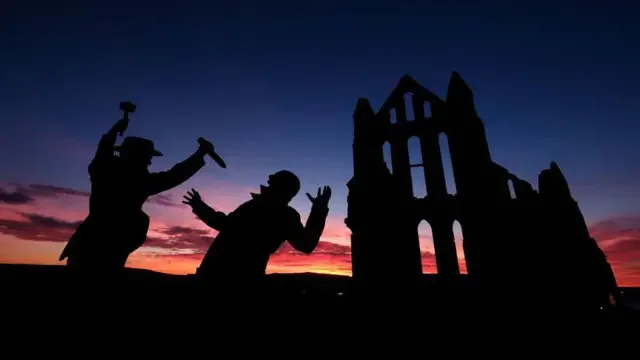
Specific locales, such as the Serbian villages of Medvedja and Kisiljevo, became focal points for such unsettling rumors, particularly in the 18th and 19th centuries, a period marked by widespread "vampire hysteria" across Europe. The supposed discovery of well-preserved bodies in open graves, a common response to persistent deaths attributed to these entities, served as perceived proof of their unholy existence. The alleged physical manifestation of these beings in local lore often described them as bloated figures, their skin taut, a stark contrast to the decomposition expected of the deceased.
Read More: Why the New Atheism movement lost public influence by April 2026
Cultural Manifestations and Explanations
The fascination with the vampire transcends mere folklore. This creature of the night, often depicted as neither fully dead nor alive, embodies a complex interplay of primal fears and forbidden desires. It represents the ultimate transgression: the consumption of life itself, coupled with an allure of immortality and seduction. This duality has fueled countless narratives, from ancient Greek myths of beings like the Lamiae, who preyed on children, to the Aztec god Huitzilopochtli, who sustained himself on blood and human hearts.
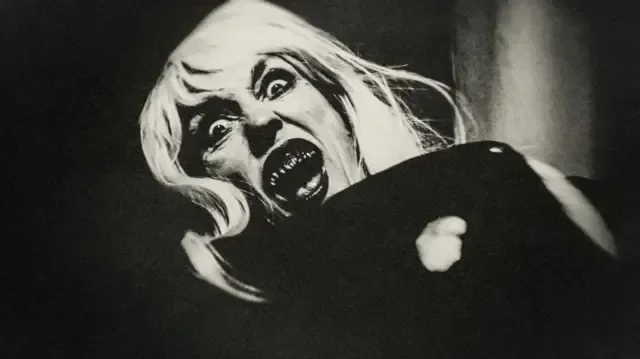
These ancient beliefs found new life in the Gothic literature of the 18th and 19th centuries.
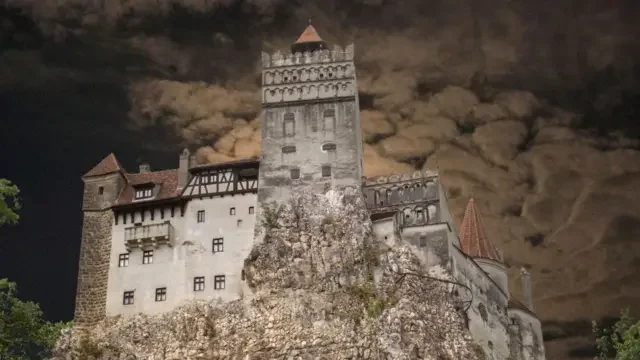
The figure of Dracula, immortalized by Bram Stoker, became the archetypal modern vampire, heavily influencing subsequent portrayals across literature, film, and television.
The persistence of the vampire myth also invites more grounded explanations. Conditions like porphyria have been cited as potential, albeit debated, biological inspirations for some vampire legends, though the origins remain largely steeped in mystery and cultural transmission. The enduring appeal of the vampire lies in its multifaceted nature, serving as a potent symbol of fear, mortality, and the eternal human fascination with what lies beyond the veil of life.
Read More: Why Makeup Choices Show Political Identity in the US on April 7 2026
Contemporary Resonance
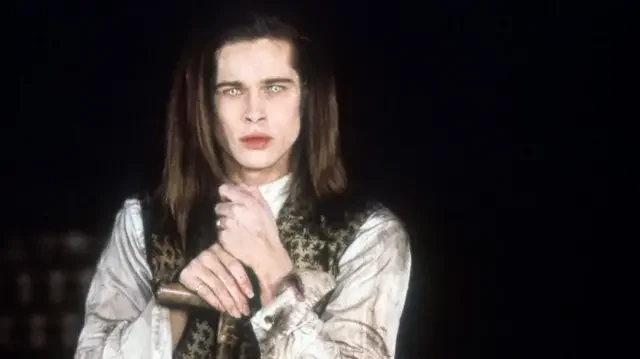
In contemporary times, the vampire continues to be a potent force in popular culture, particularly within the cinematic landscape. Filmmakers continue to be drawn to the unique atmosphere and narrative potential of these creatures, crafting tales that blend elements of tension, elegance, and the supernatural. Films depicting vampires continue to draw significant audiences, attesting to the myth's ongoing cultural currency and its adaptability to modern storytelling. These cinematic explorations often delve into themes of isolation, power, and the eternal struggle between life and death, ensuring the vampire remains a relevant and captivating figure.