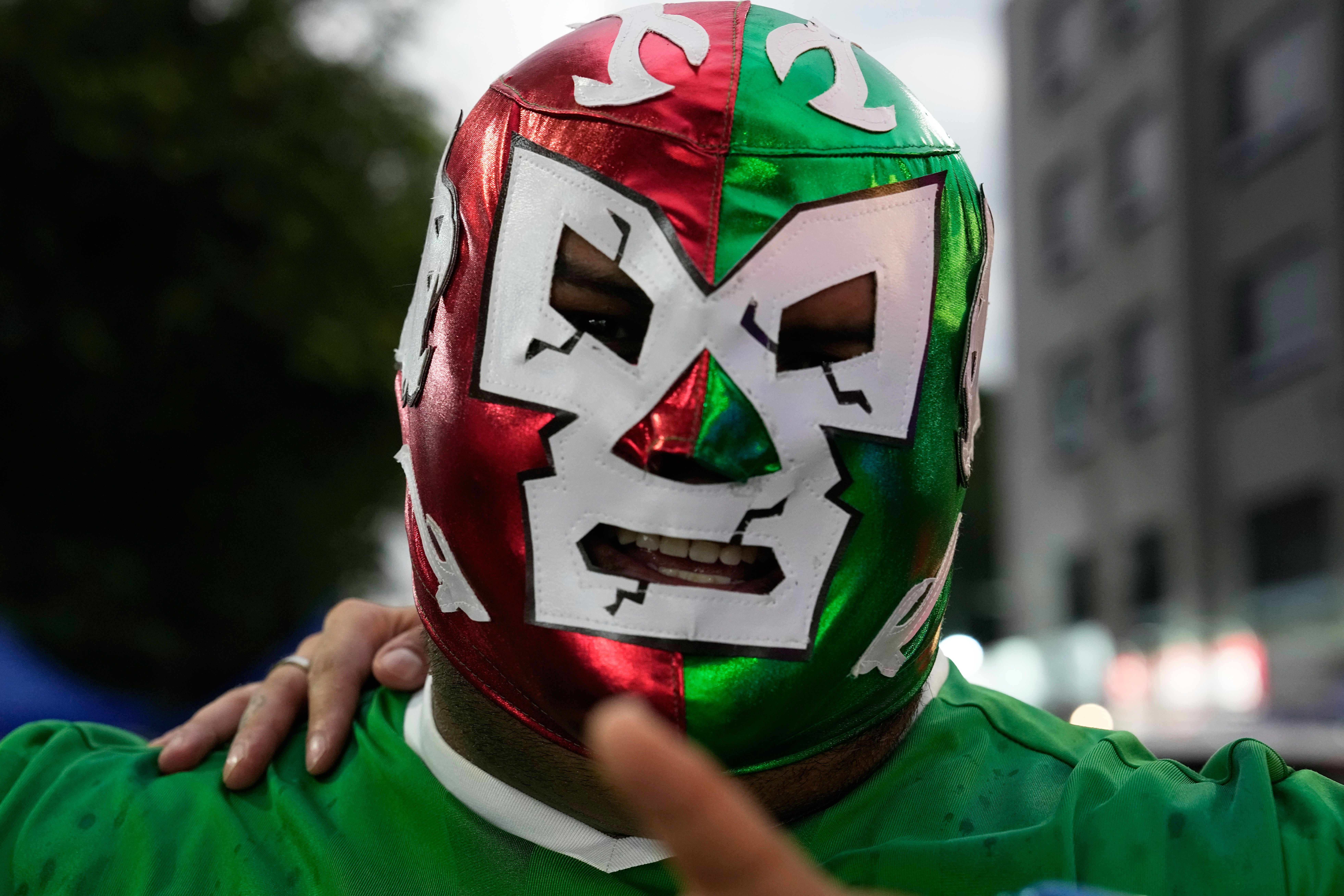
MEXICO CITY — In the swirl of the ongoing FIFA World Cup, a particular spectacle has taken root beyond the roar of soccer stadiums: the ubiquitous presence of masked lucha libre wrestlers. These figures, often seen mingling in streets, bars, and near match venues, have become an unexpected, yet potent, symbol of Mexico's fervent embrace of its cultural traditions amidst the global sporting event.
The iconography of the masked wrestler, a staple of lucha libre, has spilled into the public sphere, blending seamlessly with the influx of international soccer fans. This phenomenon highlights a distinct cultural current, with fans – both local and visiting – increasingly drawn to the stylized theatrics and passionate fanbase of Mexican wrestling.
While soccer undeniably commands the nation's primary sporting devotion, lucha libre offers a different, yet deeply resonant, form of cultural expression. For many, the masked wrestlers and their dramatic performances represent a more authentic slice of Mexican identity, attracting dedicated followers to regular Friday night events.
Read More: Why the New Atheism movement lost public influence by April 2026
Mexico City has also found itself positioned as a crucial logistical and cultural nexus for the World Cup. With accommodation costs escalating in other host nations, the capital has become an attractive and more accessible base for travelers intending to follow their national teams in various stadiums across the region. This dynamic, noted by José Ángel Garfias Frías, a specialist in lucha libre at the National Autonomous University of Mexico, further amplifies the visibility of such cultural phenomena.
The surge in lucha libre's visibility appears intrinsically tied to the World Cup's presence, transforming casual tourist attractions into widespread street-level cultural immersion. This fusion of high-stakes international soccer and the enduring appeal of lucha libre underscores a complex interplay of global sporting fervor and deeply ingrained local traditions.