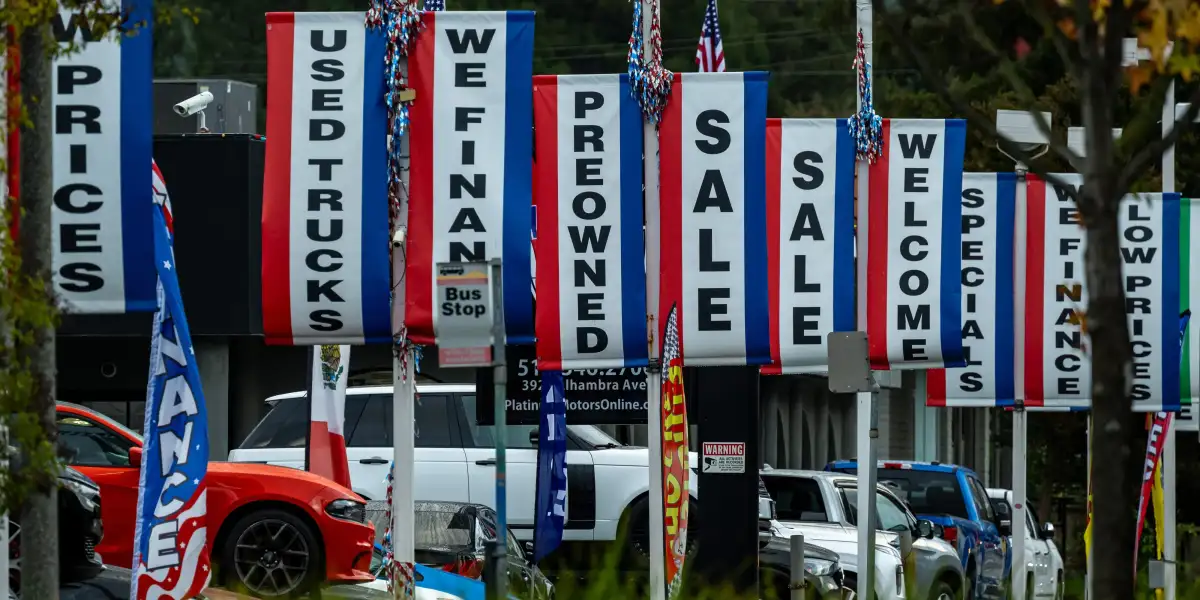
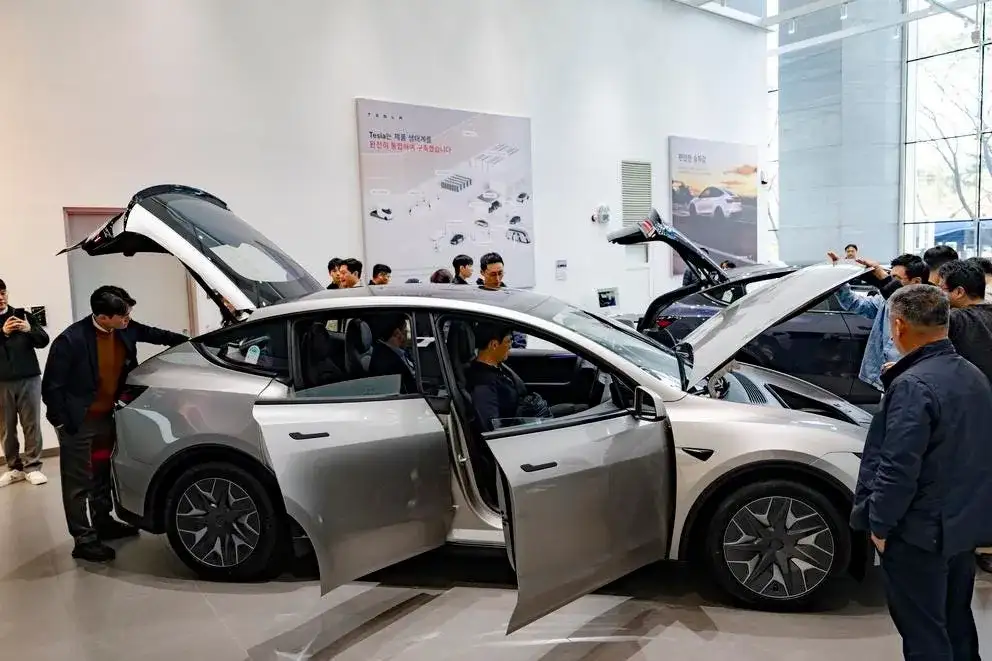
A significant number of US states maintain decades-old franchise laws that effectively prevent electric vehicle (EV) manufacturers from selling their cars directly to consumers, forcing companies like Rivian and Lucid Motors into complicated sales processes and potentially limiting market access. This patchwork of legislation creates a barrier, compelling customers in some states, such as Ohio for Rivian or Connecticut for Tesla, to complete purchases online or even travel out of state to take delivery of their vehicles. Seventeen states explicitly prohibit direct sales, impacting the evolving car-buying landscape and frustrating EV makers' efforts to control their customer experience.
Consumer Hassle and Manufacturer Frustration
The direct-to-consumer sales model, favored by EV manufacturers for its perceived efficiency and customer-centric approach, clashes directly with existing state dealership franchise laws. These laws, often lobbied for by established dealership groups, are seen by EV makers as restrictive and outdated, hindering the broader adoption of electric vehicles. Executives from Rivian and Tesla have repeatedly voiced their frustrations, highlighting how these regulations complicate the purchasing journey for consumers and create an "awkward" and "tragic" situation for the industry's transition. This friction reignites a long-standing debate about the future of automotive sales, pitting innovative EV brands against established dealer networks.
Read More: Tesla Model Y L 6-Seater US Launch Date and Price Details
Legislative Hurdles and a Slow Pace of Change
While some states have carved out exceptions, allowing specific EV manufacturers like Tesla to operate direct sales and service locations, many others present a blanket prohibition. Efforts to reform these laws have seen mixed success, with legislative progress often slow and incremental. For instance, attempts to amend statutes in states like Georgia to permit broader direct EV sales and service have faced significant headwinds. The battle plays out in state legislatures, where EV manufacturers seek to modernize sales channels against interest groups representing traditional dealerships and internal combustion engine vehicle sales and service.
A Patchwork of Regulations
The regulatory landscape for direct EV sales in the US is fragmented. Some states permit all EV manufacturers to sell directly, while others grant specific carve-outs, and a substantial number outright ban the practice. This inconsistency means that a consumer's ability to buy an EV directly often depends heavily on their geographical location. This "patchwork" of laws has been a persistent challenge for EV companies aiming for a seamless national sales strategy, forcing them to navigate a complex and often contradictory legal environment.
Read More: FIFA World Cup 2026 Revenue Reaches $15 Billion With New Ticket Prices
Background:
The conflict between EV manufacturers and state dealership laws is rooted in the historical model of automobile sales, where franchise agreements have long protected local dealerships from direct competition by manufacturers. As EV technology advances and consumer preferences shift towards online purchasing and direct engagement with brands, these established legal frameworks are increasingly being scrutinized. The debate centers on whether these laws, designed for a different era of car sales, adequately serve the burgeoning electric vehicle market and the modern consumer.