

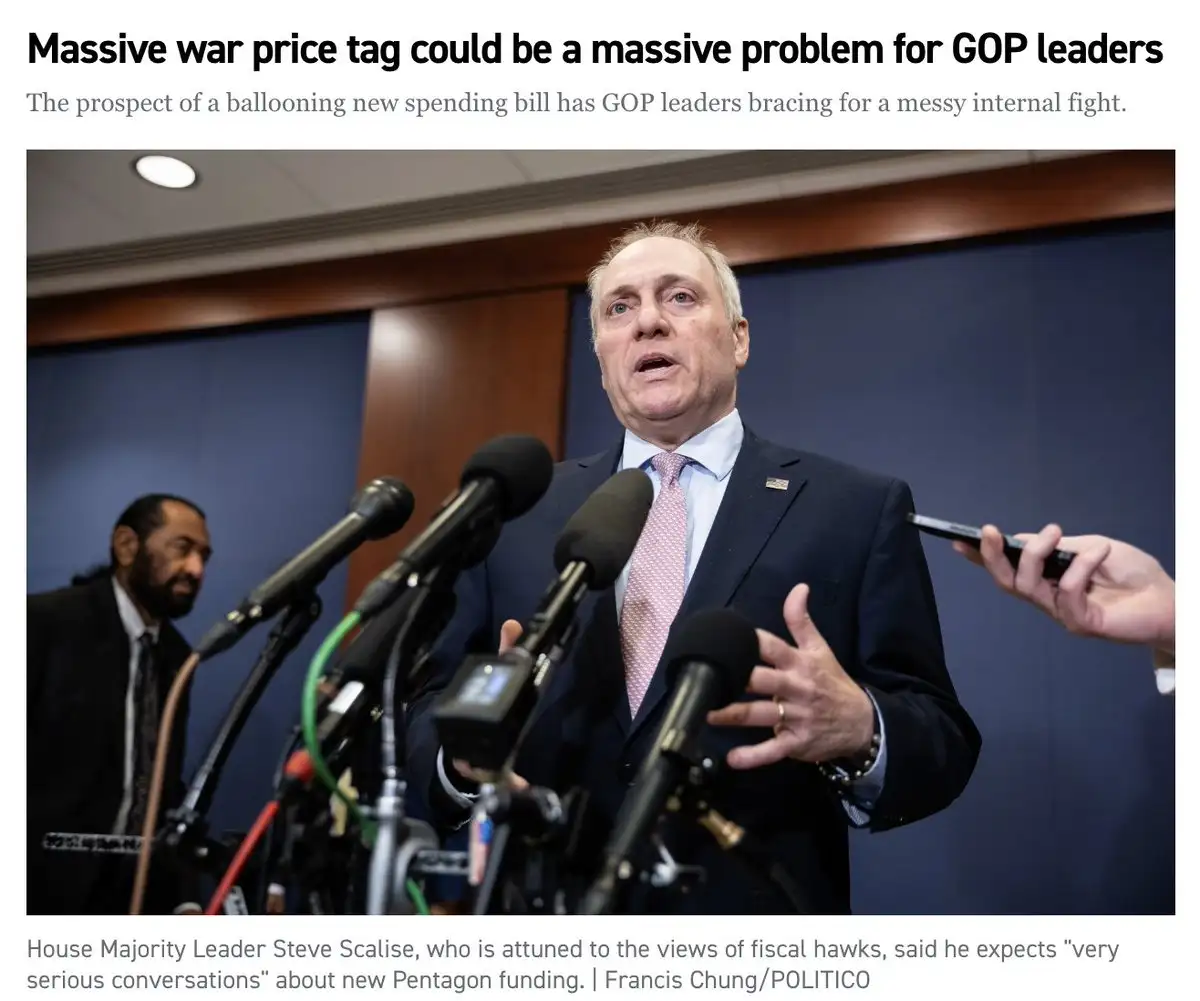
Republicans in Congress face a steep financial reckoning, caught between escalating global military commitments and internal party schisms over fiscal responsibility. Briefings this week revealed the immense and rapidly increasing costs of military operations in the Middle East, fueled by the rapid deployment of costly munitions. This reality clashes directly with a domestic policy push, championed by former President Donald Trump, aiming for significant tax cuts under the banner of a "big beautiful bill." The lack of a defined endpoint for the conflict further exacerbates the financial strain, leaving GOP leaders scrambling to reconcile soaring expenditures with promises of fiscal prudence.

Divided House on Spending and Strategy
Internal dissent is palpable within the Republican party as lawmakers grapple with competing priorities. While some, like Sen. Joni Ernst, defend legislative packages that include changes to programs such as Medicaid, others, notably Rep. Josh Hawley, have declared firm opposition to any bill incorporating Medicaid cuts, framing such measures as a "sick tax on poor people." This ideological divide, centered on the balance between domestic spending and deficit reduction, has already led to significant legislative hurdles.
Read More: Bryon Noem Stays Married Amidst Affair Rumors Due to Christian Faith

The House has seen votes postponed on budget frameworks, a direct consequence of conservative holdouts demanding more substantial spending cuts. These "fiscal conservatives" insist on dramatic reductions before backing any package that enables trillions in tax breaks. President Trump has pushed for his legislative priorities, including tax relief on tips, overtime, and Social Security benefits, but faces resistance from within his own party. The debate has become so contentious that some House members reportedly suggested voting in favor of measures knowing the Senate would likely amend them, a tacit acknowledgment of the deep divisions.
Read More: Trump's Pardon Process Changed Rules for Allies in 2020

Senate's Role and Unsettled Tariffs
The Senate is expected to introduce significant alterations to bills that have cleared the House. This prospect has, in some instances, lessened the urgency for House Republicans to secure perfect passage, as the upper chamber's modifications could provide a path forward.
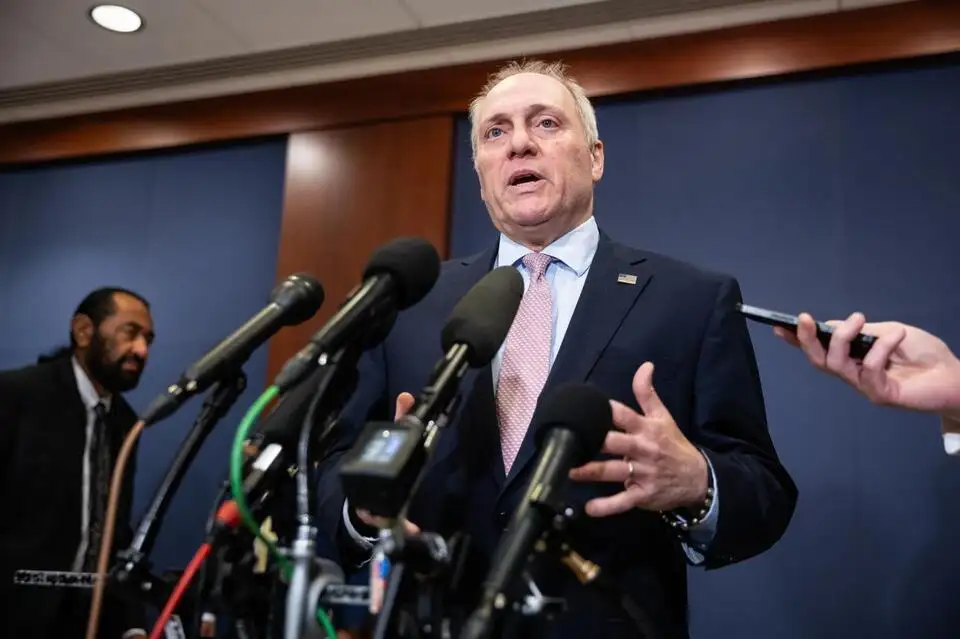
Meanwhile, Trump's trade policies, particularly his tariffs, cast a long shadow. House Republicans have incorporated provisions into procedural votes that could preempt House actions disapproving of these tariffs, aligning with the Senate's current stance. However, this move occurs against a backdrop of continued conservative apprehension about soaring deficits, even as a Senate-approved blueprint faces scrutiny for not achieving the desired spending cuts.
Background: A Pattern of Fiscal Tension
This latest bout of legislative gridlock is not an isolated incident but appears to be part of a larger, ongoing tension within the Republican party regarding fiscal policy. The push for tax cuts, exemplified by Trump's "big beautiful bill," has consistently collided with the concerns of a vocal segment of the party advocating for stringent spending controls and deficit reduction. The escalating costs associated with international military engagements now add another layer of complexity, forcing leadership to confront a fiscal landscape increasingly defined by significant, and potentially conflicting, financial demands.
Read More: US Israel Strike Iran Without Congress Approval Creates Division