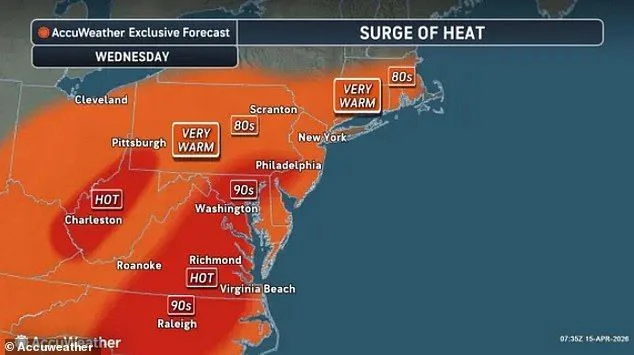
Record-shattering spring heatwaves are currently gripping large swaths of the United States, with temperatures soaring to unprecedented levels for the time of year across both the East Coast and the West. Millions of Americans are facing dangerous conditions, with the National Weather Service issuing warnings for heat-related illnesses.
In the West, areas like California, Nevada, and Arizona experienced record-breaking temperatures in March, with cities like Las Vegas and Palm Springs setting new daily and monthly high records. Phoenix was forecast to climb above 106 degrees Fahrenheit for multiple days, surpassing its all-time March record. The heat in the West followed its hottest winter on record, according to reports.

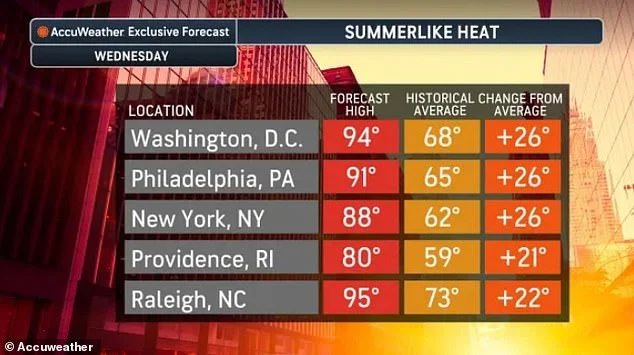
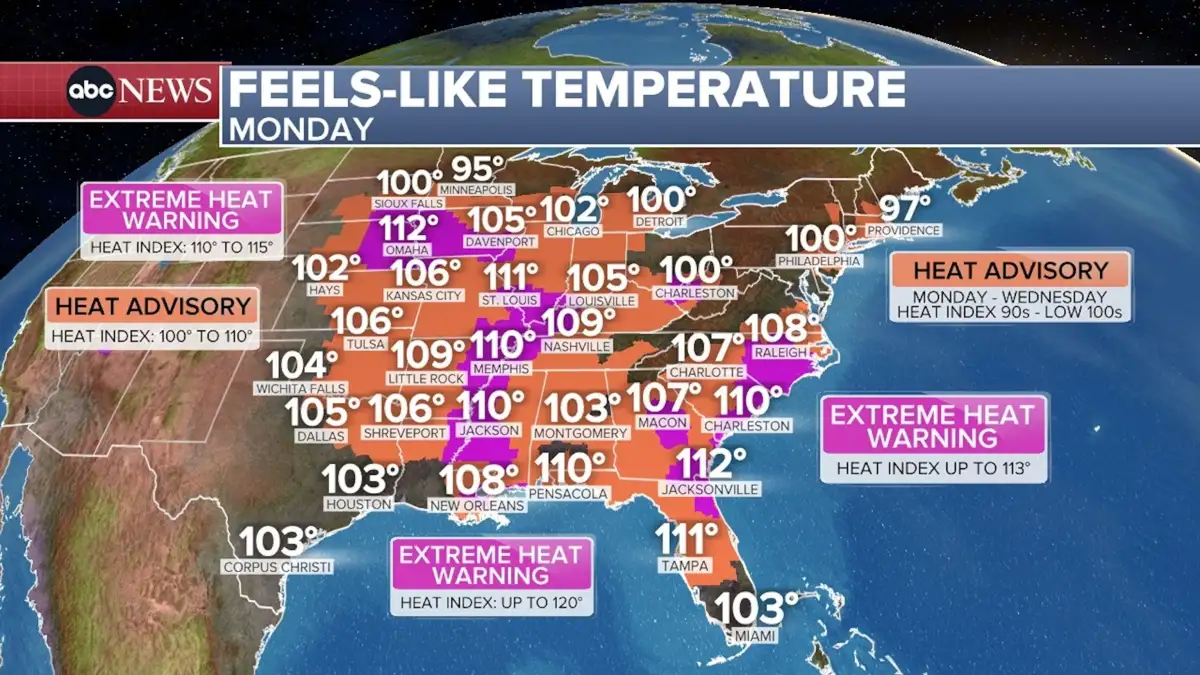
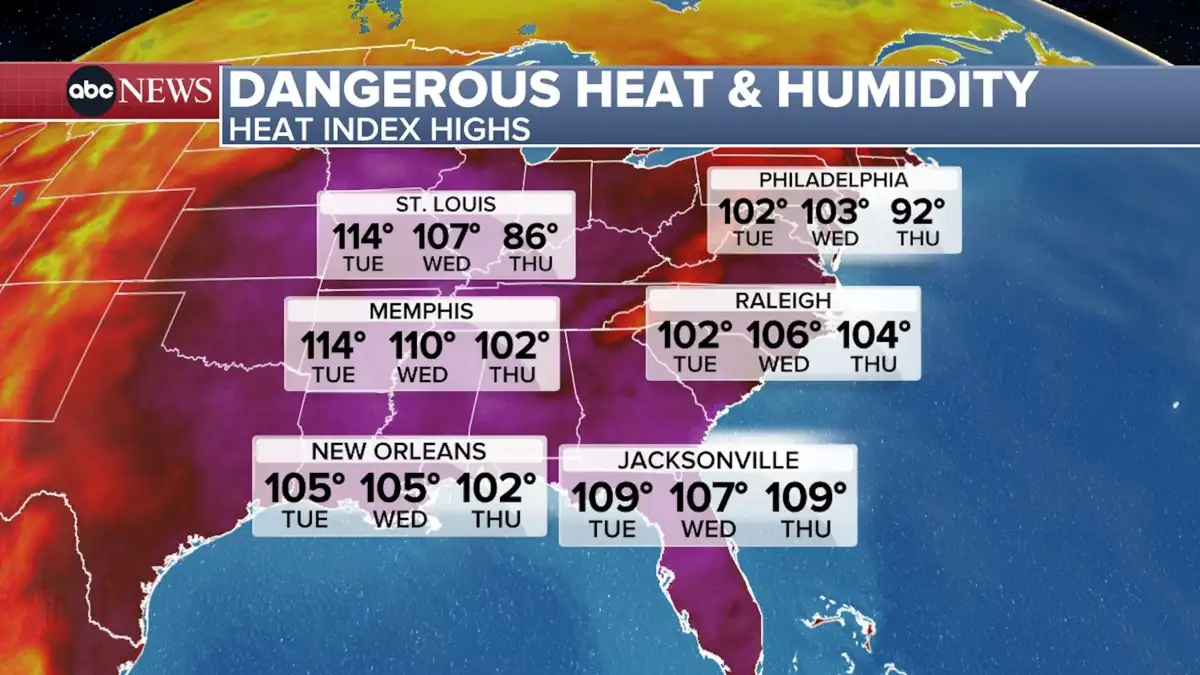
Meanwhile, the East Coast is now bracing for similar extreme conditions. Temperatures are expected to reach mid-90s in areas from Washington D.C. to North Carolina, with some officials stating highs could hit all-time April records. The Northeast could see "feels-like" temperatures between 110 to 115 degrees. Parts of Mississippi and Louisiana are on alert for heat indices reaching up to 120 degrees. This hot spell is anticipated to persist into the weekend.
Read More: Telangana districts face heavy rain alert for June 7
Climate Change Link Acknowledged
Multiple scientific analyses, including those by World Weather Attribution, suggest that these extreme heat events would have been "virtually impossible" without the influence of human-caused global warming. Scientists emphasize that the planet's warming trend is leading to more frequent, longer-lasting, and more severe heatwaves. These events are described as showcasing "what climate change looks like," with weather patterns shifting into extremes previously considered unthinkable.
Broader Impacts
The unseasonable warmth has had tangible consequences beyond public health warnings. In the West, multiple ski resorts in California and the Tahoe area were forced to close or scale back operations due to rapid snowmelt and high temperatures. Heat is identified as the deadliest form of extreme weather in the US.
Read More: FBI Agents Look for New Jobs After Catholic Memo Controversy
Background: A Shifting Climate
Scientists have long understood that human activities, primarily the emission of planet-warming pollutants, contribute to rising global temperatures. This understanding fuels research into how climate change alters long-term weather patterns, making events like these record-breaking heatwaves more probable. Studies indicate that as the planet continues to warm, such extreme weather events are likely to intensify.