Oil Prices Spike Amid Unwavering Standoff
Oil prices shot up early Monday as President Trump declared Iran's response to a U.S. peace proposal "totally unacceptable," signaling a potential escalation in the protracted Middle East conflict. The sharp rise in crude prices reflected renewed anxieties over the stability of the region and the implications for global energy markets.
Iran, meanwhile, reiterated its resolve to "fight on" and "never bow" to U.S. demands, casting a shadow over any immediate prospects for a de-escalation. The defiant stance from Tehran followed its submission of a counter-proposal, delivered through Pakistani mediators on Sunday.
Key Points of Contention Emerge
Iran's counter-proposal, as reported by state media, included demands for compensation for war damages and explicit recognition of Iranian sovereignty over the Strait of Hormuz. Furthermore, Tehran reportedly rejected U.S. stipulations concerning its nuclear program and its stockpile of highly enriched uranium. Iranian officials framed their demands as seeking "Iran's legitimate rights" and an end to the conflict "on all fronts."
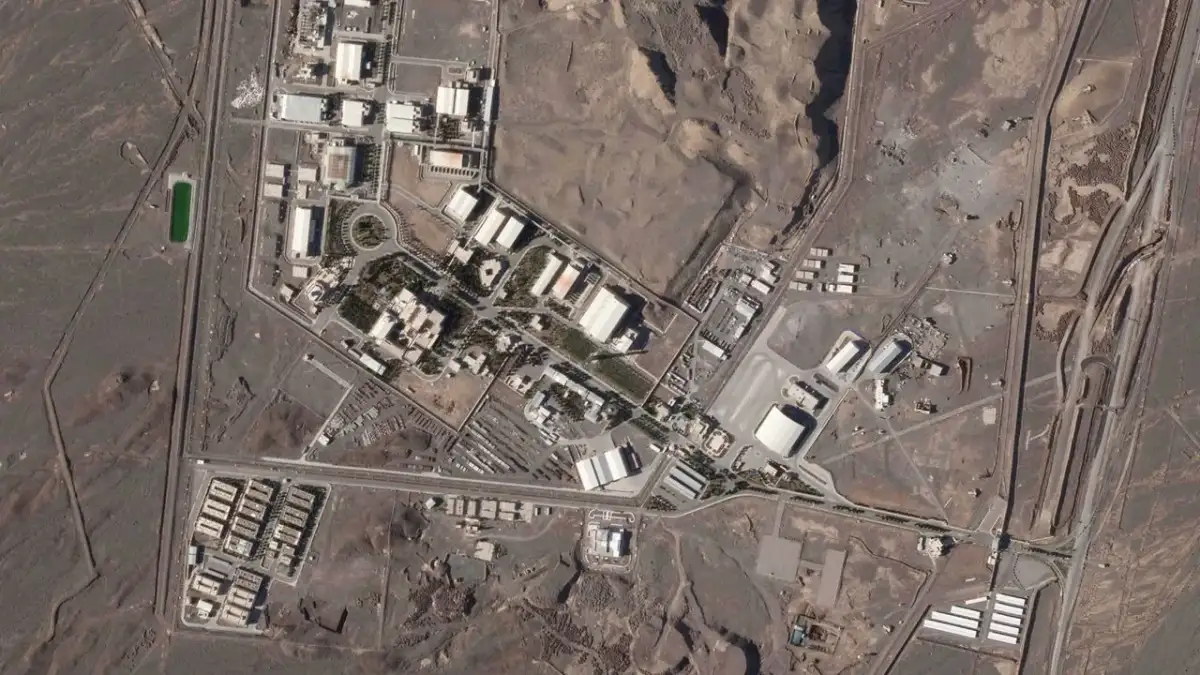
Read More: Iran Zagros Mountain Nuclear Site Construction Update April 2026
Conversely, the Trump administration's initial framework, according to reports, proposed a pause in hostilities while a more comprehensive peace plan was negotiated.
China Looms Large on Diplomatic Horizon
The unresolved conflict now casts a long shadow over President Trump's upcoming summit with Chinese President Xi Jinping in Beijing, scheduled for Wednesday. Trump is expected to press China to exert pressure on Iran to accept a deal to end the costly war. Iran's foreign ministry spokesperson, Esmail Baghaei, however, voiced hope that China would instead bolster Tehran's position and counter U.S. demands. Tehran's ambassador to Beijing has also suggested that China could serve as a guarantor for any future agreement between Iran and the United States.
Recent Engagements and Regional Tensions
Over the weekend, Iran continued drone attacks on Gulf neighbors. The U.S. military reported on Friday firing on Iranian-flagged oil tankers attempting to bypass its blockade. In related diplomatic activity, Israeli Prime Minister Benjamin Netanyahu reportedly spoke with President Trump on Sunday evening.
Read More: Gulf Oil Exports Rise in June but Still Below Pre-War Levels
Background of the Conflict
The U.S. initiated the conflict on February 28, citing reasons such as ending Iran's nuclear program, curtailing its missile capabilities, and forcing an end to its support for regional proxies. Iran's negotiating approach, as described by one official, prioritizes immediate issues and seeks to resolve them rather than delve into topics that have historically led to conflict. The conflict has lasted for 72 days.