A recent series of US military strikes targeting vessels suspected of drug trafficking has resulted in multiple deaths, raising significant questions about the operation's conduct and legal standing. The strikes, occurring in the Eastern Pacific and Caribbean waters, have drawn both support and sharp criticism, particularly following revelations of a secondary strike that killed survivors of an earlier incident.
Escalating Strikes and Fatalities
The US military has conducted at least 43 attacks on alleged drug boats since early September. These operations have resulted in the deaths of at least 148 individuals. The most recent incidents include:
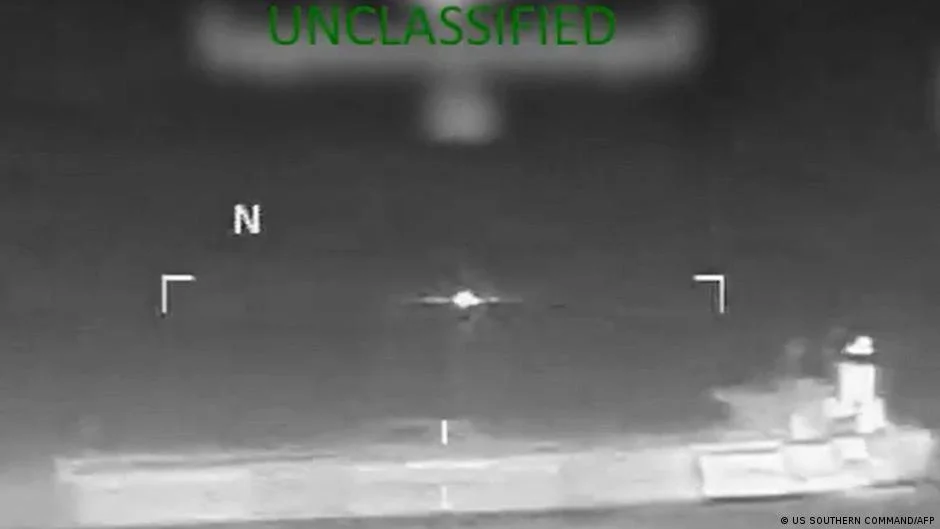
A Friday strike in the Eastern Pacific that killed three men.
Earlier this week, another strike killed 11 people, marking one of the deadliest single incidents.
A separate strike on February 14th in the Caribbean also resulted in three fatalities.
An earlier incident in the eastern Pacific killed two people, leaving one survivor.
The frequency and lethality of these strikes have intensified under the Trump administration, which has stated the operations are aimed at intercepting drug traffickers.
Campaign Against Alleged Traffickers
The military operations are reportedly part of a broader effort to interdict drug smuggling in key maritime routes. US Southern Command has stated that strikes are targeted along known smuggling routes.
Read More: President Trump Orders Release of Government UFO Files After Obama Comments
The administration's strategy includes a buildup of US forces in the region.
The context for some of these strikes appears to be linked to actions following the capture of Venezuelan President Nicolás Maduro.
American forces have also seized oil tankers connected with Venezuela, as part of wider efforts concerning South American oil control.
Growing Criticism and Legal Debate
The military's approach to these interdictions has sparked considerable debate, with critics questioning the legality and morality of the strikes.
Democratic lawmakers and legal experts have characterized the killings as murder, with some suggesting they could constitute war crimes.
Colombian President Gustavo Petro has repeatedly denounced the strikes, comparing them to war crimes.
The revelation that the military killed survivors of a prior boat attack with a follow-up strike has amplified concerns.
Conversely, the Trump administration and many Republican lawmakers have defended the strikes, asserting they are both legal and necessary. This defense often frames the cartels as having declared war on the US, justifying forceful responses.

Internal Disagreements and Policy Concerns
Reports indicate potential internal friction regarding the strike policy.
Adm Alvin Holsey reportedly retired abruptly from the US Southern Command, with speculation suggesting disagreements over the strike policy as the cause.
A recent interview quoted Sebastian Gorka, Trump's counterterrorism adviser, stating that cartels have declared war on the US, implying a justification for aggressive military action.
Conversely, Rand Paul has expressed disagreement with Vice President J.D. Vance regarding the perceived merit of the military's actions.
Evidence and Key Statements
US Southern Command has confirmed multiple strikes, attributing them to interdicting drug traffickers.
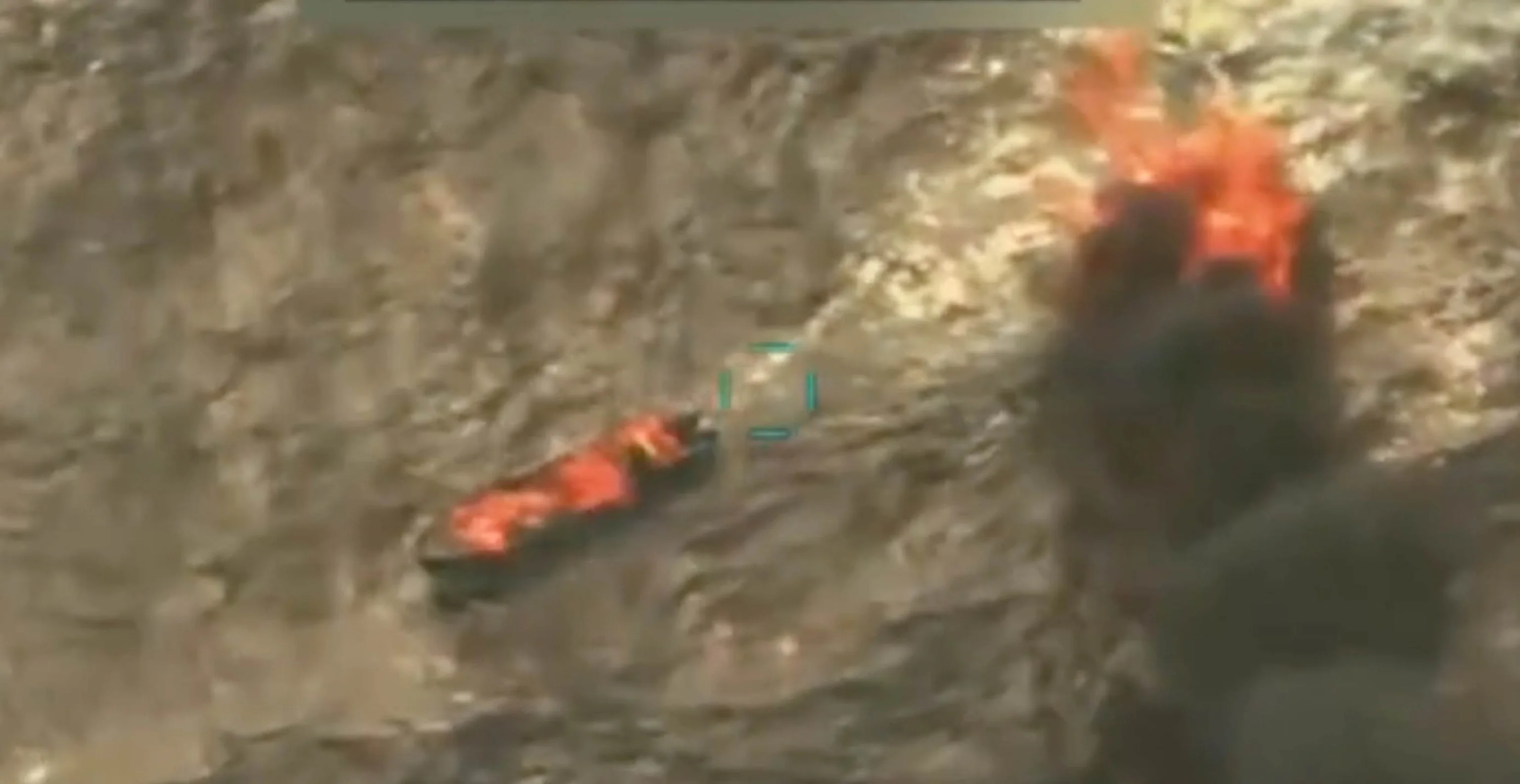
A video linked to an AP report shows a boat engulfed in flames, illustrating the immediate impact of a strike.
Statements from officials indicate a consistent justification based on targeting alleged drug trafficking operations.
Analysis of Divergent Viewpoints
The central tension revolves around the interpretation of these strikes: are they legitimate law enforcement actions against hostile actors, or do they constitute excessive force and potential human rights violations?
| Viewpoint | Stance | Rationale Provided |
|---|---|---|
| Administration/Supporters | Strikes are legal and necessary. | Combating drug trafficking, responding to declared war by cartels. |
| Critics/Opponents | Killings are murder, potentially war crimes. | Disregard for human life, questionable legality, excessive force. |
| Legal Experts/Commentators | Questioning the legal basis and proportionality of the strikes. | Need for due process, adherence to international law. |
| Affected Parties/Nations | Denunciation of strikes, comparisons to war crimes. | Perceived violation of sovereignty and human rights. |
Conclusion and Future Implications
The series of US military strikes on alleged drug boats has resulted in significant loss of life and has initiated a critical discourse on the methods and justifications employed. The discrepancy between the administration's assertion of legality and necessity, and the sharp condemnation from various political and legal figures, highlights a deep division.
Read More: India and Israel to Work Together on Missile Defense Systems
The cumulative death toll of at least 148 individuals across 43 reported attacks underscores the scale of the operation.
The controversy surrounding the secondary strike on survivors points to potential procedural or ethical oversights.
The differing perspectives suggest a need for clearer legal frameworks and oversight for such maritime interdiction operations.
The ongoing nature of these strikes, coupled with the intense scrutiny they have attracted, suggests that this issue will likely remain a subject of significant debate and potential legal challenges. The US military's stated objective of disrupting drug trafficking remains in contention with the growing calls for accountability and a review of the rules of engagement.
Associated Press (AP News): Reported on the latest strike, detailing the number of fatalities and providing a summary of the ongoing campaign. https://apnews.com/article/military-strikes-cartels-drug-boats-eastern-pacific-8b782da00d98e49ede8bba05c2a75ce8
The Guardian: Provided details on the most recent strike, its fatalities, and the broader context of the campaign under the Trump administration. https://www.theguardian.com/us-news/2026/feb/20/us-military-strike-drug-smuggling-pacific
CBS News: Reported on earlier strikes involving multiple boats and significant casualties, contributing to the timeline of the campaign. https://www.cbsnews.com/news/us-military-strikes-3-alleged-drug-boats-killing-11-people/
NBC News: Covered a specific strike in the Caribbean and another in the eastern Pacific, highlighting fatalities and mentioning criticisms from a Colombian official. https://www.nbcnews.com/politics/national-security/us-strikes-alleged-drug-boat-caribbean-killing-three-rcna259028
ABC News: Featured a report that mentioned a strike killing three on a second alleged Venezuelan drug boat and referenced past statements from Trump administration officials. https://abcnews.com/Politics/3-killed-2nd-strike-alleged-venezuelan-drug-boat/story?id=125599866