


Recent indirect talks between the United States and Iran in Oman have become a focal point of strategic interpretation. The attendance of Admiral Brad Cooper, commander of U.S. Central Command (CENTCOM), has drawn sharp reactions from Tehran. While U.S. officials suggest his involvement signals a commitment to projecting military strength as a diplomatic tool, Iranian voices have voiced strong disapproval, with some claiming his presence jeopardized the delicate diplomatic process and violated national laws. The context surrounding these negotiations includes ongoing regional tensions, Iran's nuclear program, and past military escalations.

Background of the Negotiations
Indirect talks between the U.S. and Iran resumed in Oman on February 7, 2026, aiming to de-escalate rising tensions and address Iran's nuclear ambitions. These discussions mark the first diplomatic engagement between the two nations since a conflict involving Israel and a U.S. bombing raid on Iranian nuclear facilities in June 2025.
Read More: Kim Jong Un's Daughter May Be Next Leader of North Korea

Oman's Role: The nation has served as a venue for previous U.S.-Iran negotiations, facilitating indirect communication between the two nations.
U.S. Objectives: Reports indicate the U.S. objective is "Zero nuclear capability for Iran," with President Trump stating Iran's participation is motivated by a desire to avoid military action.
Iranian Stance: Tehran has insisted the talks are limited strictly to its nuclear program and has signaled a willingness to consider a long-term freeze in exchange for sanctions relief.
Divergent Interpretations of CENTCOM's Role
The inclusion of Admiral Brad Cooper, the head of CENTCOM, in the Oman talks has been a significant point of contention.
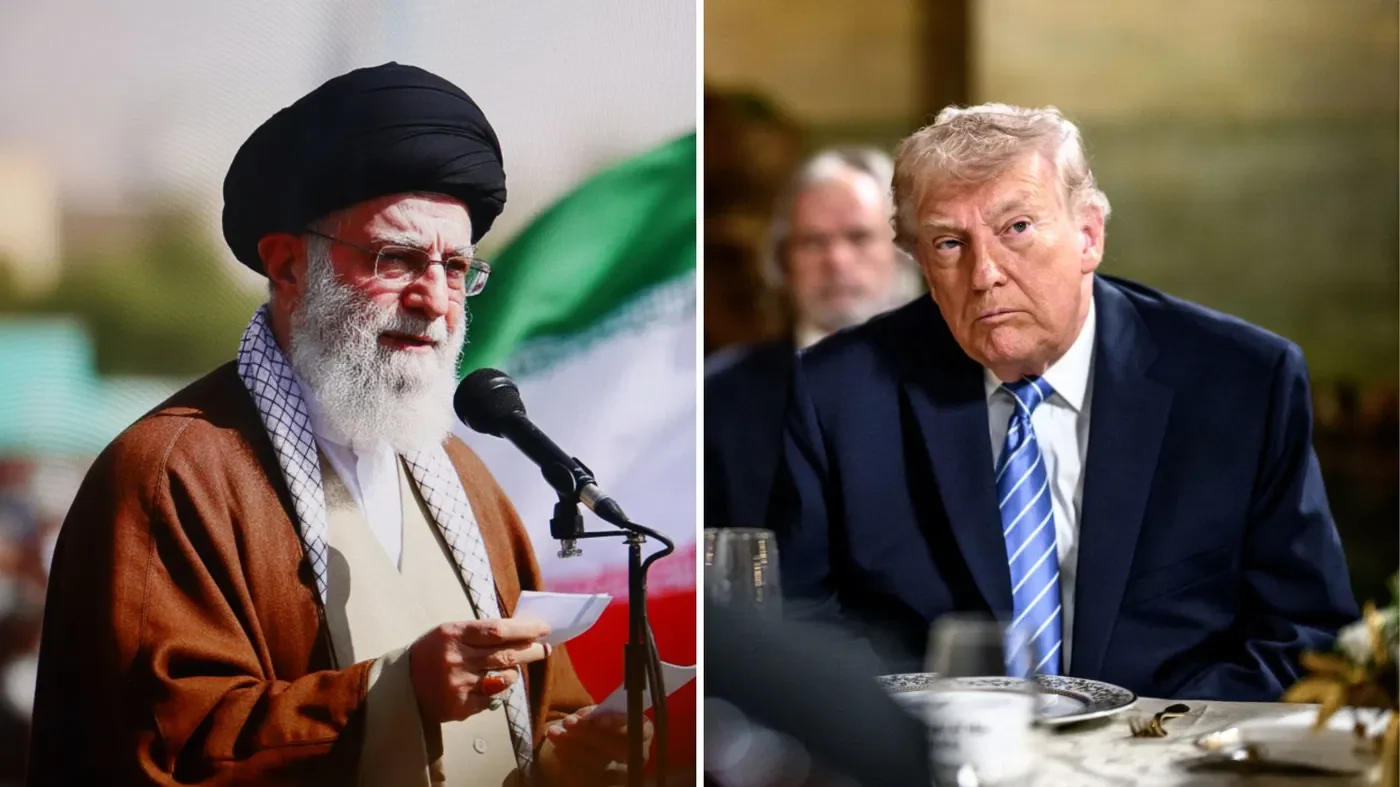
U.S. Perspective: Some reports suggest Cooper's presence signifies the Trump administration's reliance on military leverage and power projection to influence Iran. This approach deviates from prior negotiation rounds where senior military officials did not typically participate in high-level diplomatic efforts. The involvement of a military commander, responsible for U.S. military operations in the region and potential strikes, is seen by some as a strong signal of U.S. military resolve.
Iranian Perspective: Iranian officials and media have expressed strong criticism.
An Iranian lawmaker stated that Admiral Cooper's presence violates a parliamentary law designating American forces in the Middle East as "terrorists."
Other Iranian sources have claimed his attendance endangered diplomacy and jeopardized the talks, suggesting it was an attempt to impose negotiations on Iran. This perspective suggests Iran views the military presence as an undue escalation rather than a diplomatic signal.
Core Issues Under Discussion
While the precise agenda remains guarded, available information points to several key areas of focus:
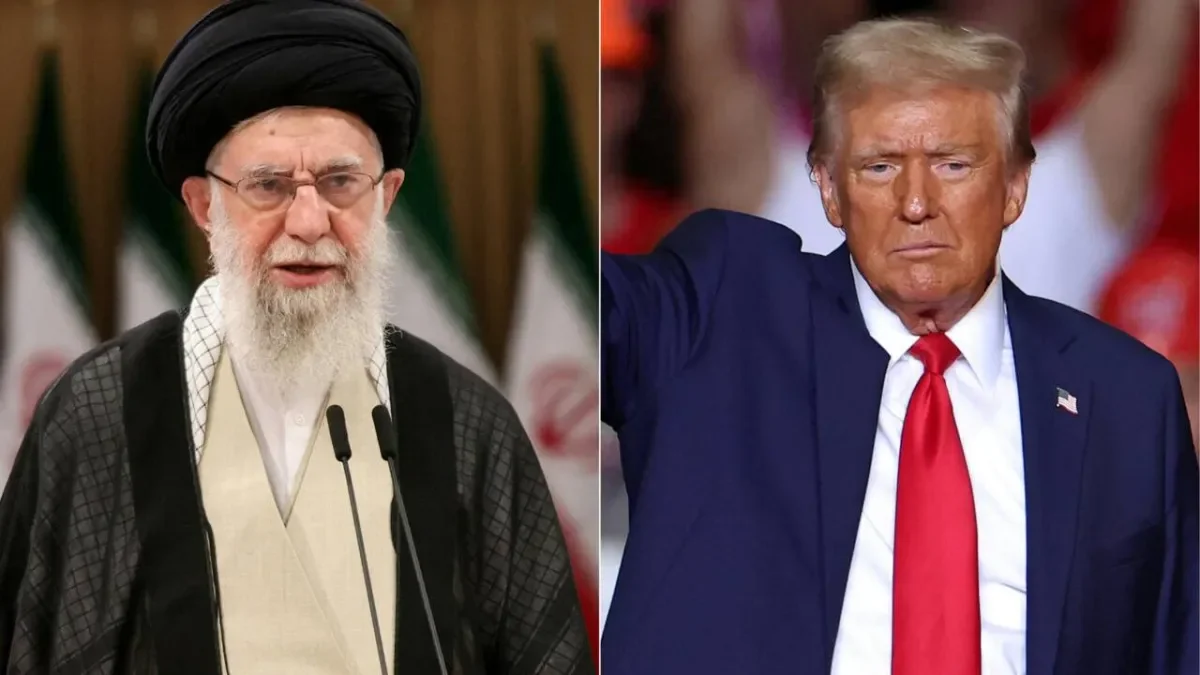
Read More: USA and Iran Talk About Nuclear Program
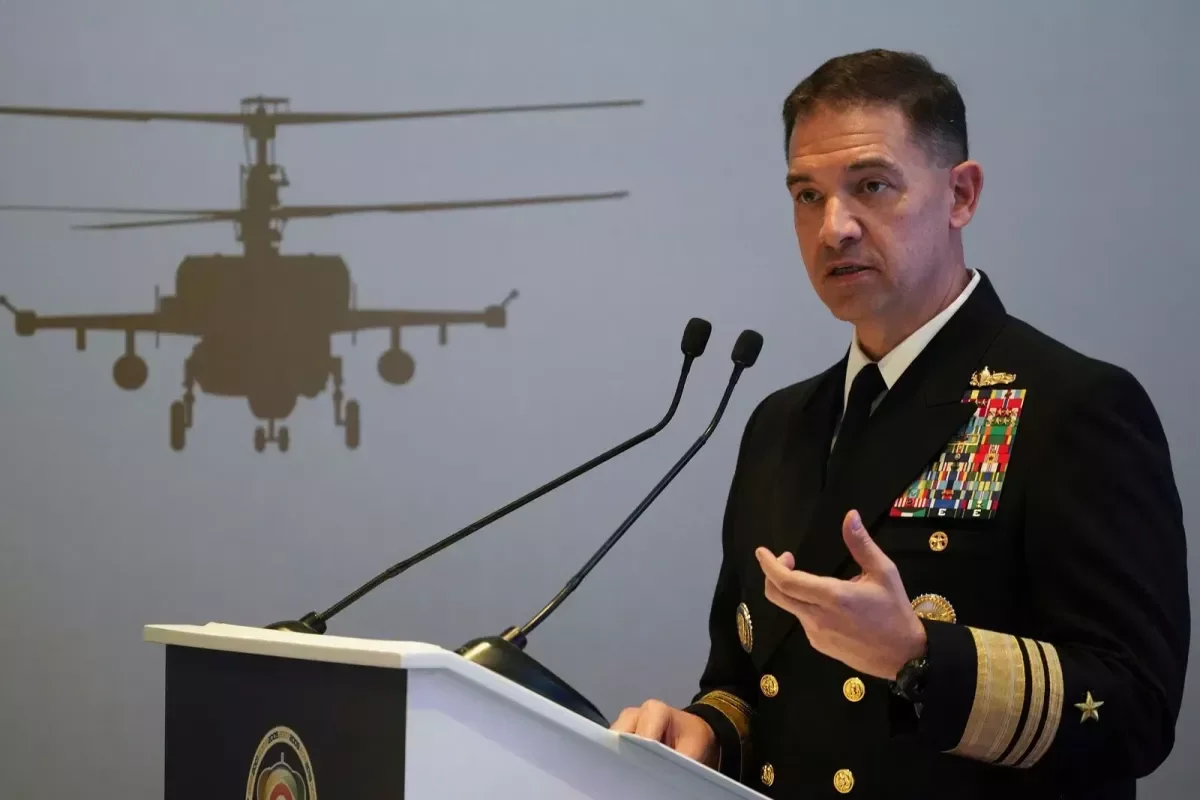
Iran's Nuclear Program: This is the central theme of the negotiations, with Iran's nuclear capabilities and potential future actions being a primary concern for the U.S. and its allies.
Sanctions Relief: Iran has indicated that any agreement to freeze its nuclear program would be contingent on significant sanctions relief from the United States.
Regional Stability: The talks are framed within a broader effort to prevent further regional conflict, particularly following recent military escalations.
Evidence and Observations
Indirect Format: The negotiations are confirmed to be indirect, with no face-to-face meetings between Iranian and American officials.
U.S. Delegation: The U.S. delegation included Steve Witkoff, a U.S. envoy, and according to some reports, Admiral Brad Cooper. Other U.S. officials like Kushner were reported to be in Doha as discussions approached.
Iranian Delegation: Iran's Foreign Minister Araghchi was reportedly in Oman for the talks. Kazem Gharibabadi, Iran’s deputy foreign minister, also engaged in separate discussions regarding the nuclear issue.
Military Posturing: The U.S. has reportedly bolstered its military presence in the region, a move that coincides with the diplomatic efforts. This has been framed by some as part of the U.S. negotiation strategy.
Expert Analysis and Commentary
Commentary from various sources highlights the strategic significance of the CENTCOM chief's presence:
Read More: People Protest Worldwide Due to Money Problems
"Cooper's presence during the indirect negotiation raised eyebrows and drew sharp criticism from the Iranians. As CENTCOM head overseeing U.S. military operations in the Middle East, his involvement deviates from prior rounds and suggests the Trump administration is leaning heavily on power projection and military leverage to persuade Iran." – RedState
"Some reports said the CENTCOM commander's presence in Muscat could signal that the negotiations are not limited to the nuclear issue, as Iran has insisted." – TRT World
"President Trump addressed the motivation behind Tehran's participation in a public address, stating, 'Iran is negotiating with us because they don't want us to attack them.'" – JFeed
Findings and Implications
The presence of Admiral Brad Cooper at the Oman talks has clearly amplified the perception of military signaling from the U.S. side. While the U.S. appears to be using military posture as a leverage point, Iran's strong objections suggest a differing interpretation, viewing it as an aggressive stance that potentially undermines diplomatic progress and even violates their laws. The core objective remains Iran's nuclear program, with sanctions relief as a key Iranian demand. The indirect nature of the talks and the high stakes involved, given the history of conflict and current regional tensions, indicate a fragile diplomatic environment where each move is subject to intense scrutiny and varied interpretation. The success of these negotiations may hinge on the ability of both sides to navigate these divergent strategic signals.
Sources
RedState: https://redstate.com/rc-maxwell/2026/02/09/centcom-chiefs-role-in-oman-talks-signals-us-military-edge-iranians-claim-it-endangered-diplomacy-n2198959 - This article focuses on the U.S. military signaling aspect and Iranian criticism.
TRT World: https://www.trtworld.com/article/e39a9e32dfab - This source highlights the Iranian lawmaker's claim of violation and the potential broader scope of the talks.
AP News: https://apnews.com/article/iran-us-protests-nuclear-negotiations-oman-muscat-32d621b98f7a3a68831f885d262bb70e - Provides a factual account of the talks occurring in Oman and their focus.
Gulf News: https://gulfnews.com/world/mena/iranus-talks-in-oman-what-we-know-so-far-1.500434517 - Offers a summary of the talks, including regional tensions and the context of previous conflicts.
JFeed: https://www.jfeed.com/news-world/us-iran-nuclear-talks-oman-2 - Reports on the nuclear talks and mentions President Trump's stated motivations for Iran's participation.
Iran International: https://www.iranintl.com/en/202602068784 - Cites an Iranian source warning about the potential jeopardizing of talks due to CENTCOM presence.
Caliber.Az: https://caliber.az/en/post/us-centcom-chief-arrives-in-oman-for-talks-with-iranian-officials - Reports on the arrival of the CENTCOM chief and the focus on the nuclear program and conflict prevention.
Al Jazeera: https://www.aljazeera.com/news/liveblog/2026/2/5/live-after-barrage-of-threats-us-and-iran-set-to-hold-talks-on-friday - Provides updates on the movements of delegations and the scheduled timing of the talks.
Read More: Many Countries Disagree with Israel's West Bank Actions

:max_bytes(150000):strip_icc():focal(612x1166:614x1168)/Switzerland-accident-fire-020826-02-7cbc5d49ad0f413883178cfd825a77de.jpg)

