


Recent diplomatic efforts reveal Iran's stated willingness to re-engage in nuclear talks with the United States. However, Tehran has firmly asserted that its missile program and broader defensive capabilities are non-negotiable. This stance emerges amidst escalating regional tensions and calls from US officials for direct engagement. Analysts, however, suggest Iran's position reflects a consistent policy rather than a new flexibility, raising questions about the potential for substantive breakthroughs.

Diplomatic Overtures Amidst Escalating Tensions
The period surrounding late January 2026 has seen intensified diplomatic activity aimed at preventing a direct confrontation between the United States and Iran.
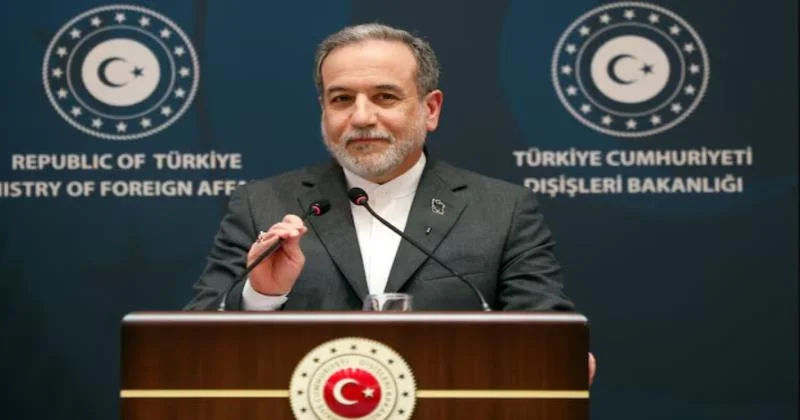
Iranian Foreign Minister Abbas Araghchi has publicly stated Tehran's readiness to resume nuclear talks with Washington, emphasizing a focus on the nuclear issue.
During separate calls, Iran's President Pezeshkian reportedly informed the leaders of Turkey and Egypt that successful negotiations depend on the cessation of "warmongering and threatening actions in the region." He also conveyed Iran's conviction that war would not benefit Iran, the US, or the region.
The Qatari Prime Minister met with senior Iranian official Ali Larijani in Tehran to discuss ongoing efforts to de-escalate regional tensions.
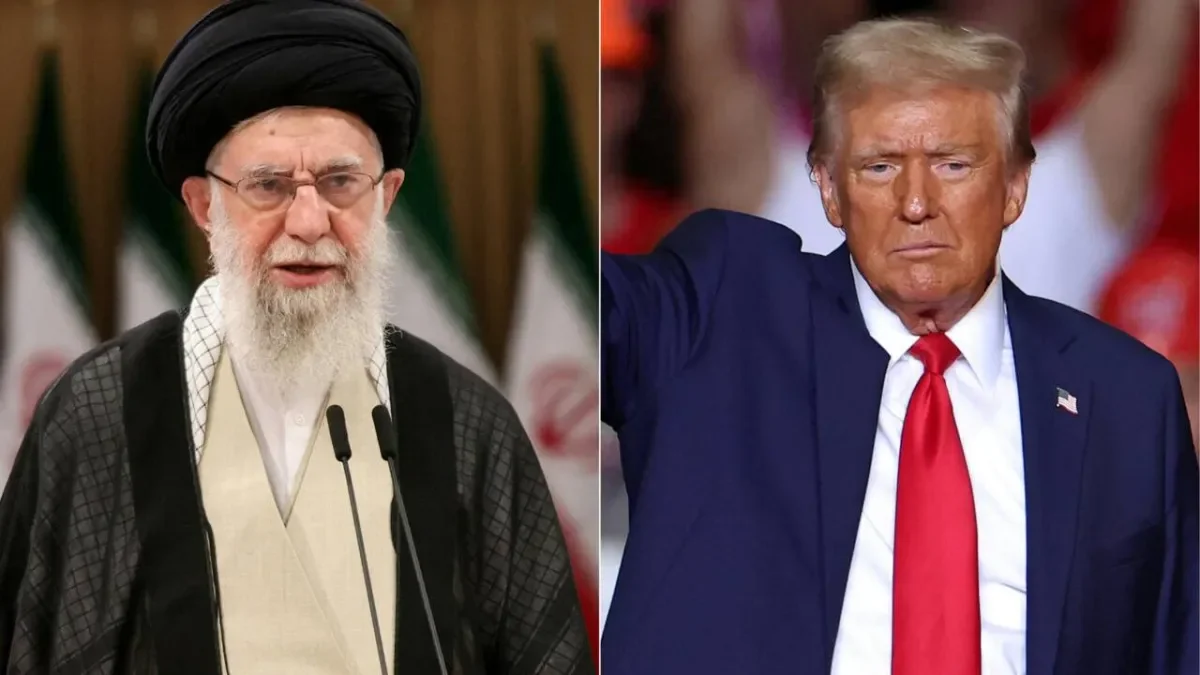
US President Donald Trump has publicly called for an end to Supreme Leader Ayatollah Ali Khamenei's rule in Iran.
Indirect talks between US and Iranian diplomats concerning Iran's nuclear program have restarted for the first time since a war between the two nations occurred the previous year.
Iran's Non-Negotiable Defense Stance
A central tenet of Iran's diplomatic position, as articulated by its officials, is the exclusion of its missile program and defense capabilities from any negotiation agenda.
Read More: Kim Jong Un's Daughter May Be Next Leader of North Korea

Foreign Minister Araghchi has explicitly stated that Iran's defense capabilities, including its missile forces, are "non-negotiable."
This position underscores a delicate balance Tehran seeks to maintain between pursuing diplomacy and upholding its perceived right to deterrence.
Turkish officials, in their engagement with Iran, have highlighted the preference for diplomacy over military confrontation.
Concerns Over Nuclear Material Security
Beyond the diplomatic sphere, analysts have raised alarms regarding the potential risks associated with Iran's nuclear materials.
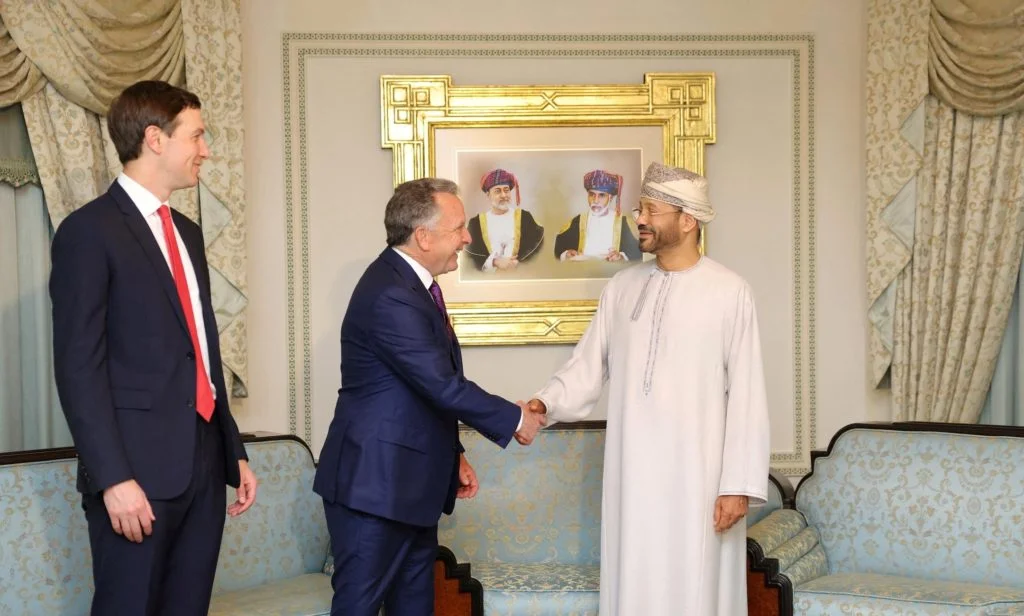
David Albright, a former nuclear weapons inspector, warned that in a scenario of internal chaos within Iran, the government might lose control of its nuclear assets.
He specifically highlighted Iran's stockpile of highly enriched uranium as particularly worrisome, suggesting a possibility of it falling into the wrong hands through theft.
A diplomat close to the International Atomic Energy Agency (IAEA) confirmed that the agency has not received any updates from Iran regarding the status or location of its highly enriched uranium stockpile.
Stalemate Over Sanctions and Nuclear Program
The path to negotiations appears to be complicated by deeply entrenched positions on both sanctions and Iran's nuclear activities.
Read More: USA and Iran Talk About Nuclear Program
Iran demands the immediate removal of all sanctions, while the US favors a phased approach to lifting nuclear-related sanctions.
Analysts suggest that Iran's approach to these negotiations reflects a long-standing rigidity rather than a recent shift in policy.
The Iranian leadership reportedly lacks a clear fallback plan should efforts to resolve the nuclear dispute collapse, a scenario both Tehran and Washington hope to avoid.
Despite signaling a lack of enforcement for sanctions, China and Russia are seen as unable to shield Iran from unilateral US and European Union sanctions if talks fail.
Expert Analysis on Diplomatic Rigidity
Insights from analysts suggest that Iran's current diplomatic posture, while signaling openness to talks, is characterized by established principles that may limit flexibility.
"Trump's method, he says, is to apply maximum pressure and then settle for less while declaring victory."\— Article 1
"Analysts say Tehran's position reflects longstanding rigidity rather than a meaningful shift."\— Article 1
"Albright said that Iran's highly enriched uranium stockpile 'would be the most worrisome,' adding that there is a possibility that someone could steal some of this material."\— Article 2
"Iran faces ‘a permanent state of crisis’ as time wanes and sanction pressure grows."\— Article 4
Conclusion
Iran's recent diplomatic signals indicate a willingness to engage in nuclear talks with the United States, yet Tehran has clearly delineated its missile and defense capabilities as off-limits for negotiation. This stance is being communicated amidst regional mediation efforts and ongoing, albeit indirect, diplomatic exchanges. Concerns persist among analysts regarding the security of Iran's nuclear materials and the potential for instability. The differing approaches to sanctions relief and the fundamental disagreement over what issues are open for discussion present substantial challenges to achieving a breakthrough in negotiations.
Read More: People Protest Worldwide Due to Money Problems
Sources:
Radio Free Europe/Radio Liberty (RFERL): Published Jan 31, 2026. Focuses on Iran signaling readiness for talks while setting red lines on missiles, amidst regional mediation efforts and Trump's escalating rhetoric.🔗 https://www.rferl.org/a/iran-us-deal-nuclear-missile-regime-change/33665461.html
PBS NewsHour: Published Jan 20, 2026. Details the potential nuclear risks associated with Iran's crisis, including the security of its nuclear material, and references previous conflicts.🔗 https://www.pbs.org/newshour/world/analysts-warn-that-the-iran-crisis-carries-potential-nuclear-risks-heres-what-to-know
Al Jazeera: Published approximately 1 day prior to the request (exact date not specified in input, but presented as "today's latest"). Reports on Iranian security officials in Oman for nuclear talks with the US and reiterates focus on nuclear issues over missiles.🔗 https://www.aljazeera.org/where/iran/
Associated Press (AP) / AOL: Analysis published with a general timeframe. Discusses Iran facing a "permanent state of crisis" due to sanctions and ongoing conflict.🔗 https://apnews.com/article/iran-nuclear-us-israel-war-paralysis-analysis-cb4b16bae60604fadc34fbe1d2e257a0
Financial Times (FT): Published 6 days prior to the request (specific date not provided). Features commentary on Iran needing to prepare for negotiations.🔗 https://www.ft.com/content/3352d8d5-600e-46e7-b9fc-5deffc192c3e
CNews Live English: Published Jan 30, 2026. Reports on Iran's openness to US talks but firmly establishing red lines on defense capabilities, mentioning Turkish diplomatic involvement.🔗 https://cnewsliveenglish.com/news/41085/iran-signals-openness-to-us-talks-but-draws-red-line-on-defence-capabilities-tt
The Straits Times: Published May 21, 2025. Highlights the lack of a clear fallback plan for Iran if nuclear talks collapse amidst rising US-Iran tensions.🔗 https://www.straitstimes.com/world/middle-east/iran-faces-u-s-without-plan-b-as-nuclear-red-lines-collide
PBS NewsHour: Published 3 days prior to the request. Reports on the restart of US-Iran nuclear diplomacy following a prior conflict and mentions separate US nuclear diplomacy challenges.🔗 https://www.pbs.org/newshour/show/u-s-restarts-nuclear-diplomacy-with-iran-amid-escalating-threats-heres-what-to-know
Read More: Many Countries Disagree with Israel's West Bank Actions


:max_bytes(150000):strip_icc():focal(612x1166:614x1168)/Switzerland-accident-fire-020826-02-7cbc5d49ad0f413883178cfd825a77de.jpg)
