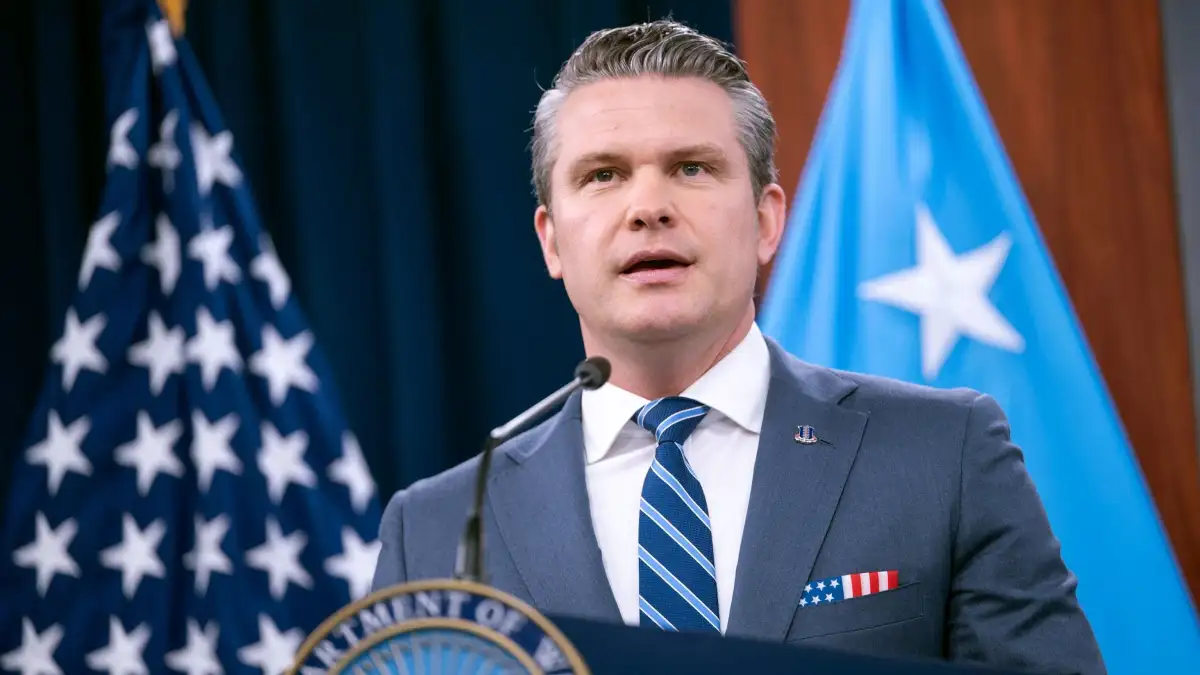
Washington D.C. – The Pentagon has declared an end to its long-standing mandate requiring U.S. service members to receive an annual influenza vaccine. This directive, announced by Defense Secretary Pete Hegseth, signals a significant departure from previous public health enforcement within the military. The change is framed as a move toward greater personal liberty and religious freedom, aligning with a broader Trump administration effort to reevaluate vaccine policies.
Under the new policy, the flu shot will become optional for all U.S. military personnel, both active duty and reserve components. Previously, only reserve troops activated for at least 30 days were subject to the mandate. The directive also indicates that the Pentagon will cease covering costs for reservists or National Guard members who choose to get the vaccine on their own time. This adjustment follows a pattern established by the current administration, which has sought to roll back mandatory vaccine requirements.
Read More: India IVF Costs And Social Barriers Limit Access In April 2026
Historical Context and Shifting Policies
The move appears to be part of a deliberate effort by the Trump administration to revisit and revise military vaccine policies. This follows the contentious period surrounding the mandatory COVID-19 vaccine, during which service members who refused vaccination faced discharge. The administration has since offered pathways for reinstatement, including back pay, for those dismissed over COVID-19 vaccine refusal, though uptake has been limited. Reports suggest that only a small fraction of discharged service members have chosen to return under these revised terms.
Public health organizations, such as the Navy and Marine Corps Force Health Protection Command, have historically emphasized the seasonal flu vaccine as a crucial measure for maintaining force readiness and minimizing mission degradation due to widespread outbreaks. These entities have warned that influenza's rapid spread can adversely impact operational capabilities. However, the current administration's stance appears to prioritize individual choice over these established public health recommendations within the armed forces.
Read More: Air Force Major Detained for Calling for President's Impeachment
Previous Exemptions and Reinstatement Efforts
Prior to this broad policy shift, service members could request exemptions from vaccine requirements for religious reasons. The process for obtaining such exemptions, particularly concerning the COVID-19 vaccine, involved counseling from military physicians on the risks and benefits of declining vaccination. The Trump administration's efforts to reinstate troops discharged for refusing the COVID-19 vaccine also involved back pay offers, a measure that met with limited success. The details of this earlier memo, quietly disseminated months prior, only gained prominence recently when amplified by Secretary Hegseth, drawing attention to the shifting nature of vaccine mandates.