

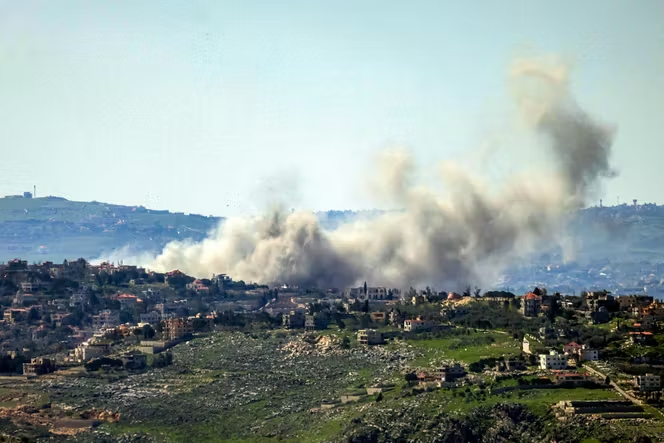
The United States military has expanded its aerial campaign against Iran to a scale not seen since the conflict began ten days ago. On Tuesday, March 10, Defense Secretary Pete Hegseth announced the "most intense day" of strikes, characterized by the deployment of heavy 2,000lb GPS-guided penetrating weapons aimed at deeply buried missile infrastructure. While the Pentagon frames the violence as a technical necessity to dismantle autonomous threats, the ground reality reflects a chaotic disintegration of the Iranian state.

“President Trump gets to control the throttle. He's the one deciding the end state,” Hegseth told reporters, framing the conflict as a controlled machine rather than a nation-building project.
Total targets struck have exceeded 5,000 as the joint US-Israeli operation shifts from surgical decapitation of leadership to the systematic destruction of industrial and naval assets.

The Scale of Mechanical Attrition
| Category | Data Reported | Status |
|---|---|---|
| Aerial Munitions | 2,000lb GPS bombs | Sustained |
| Naval Loss | 50+ vessels (16 mine-layers) | Neutralized |
| Ground Targets | 5,000+ locations | Ongoing |
| Regime Status | Supreme Leader Reported Dead | Decapitated |
Disconnect Between Precision and Rubble
The narrative of "technical skill" promoted by CENTCOM clashes with reports of severe civilian attrition. Major General Caine confirmed the destruction of drone factories and missile launchers, yet the military remains silent on the specific mechanics of a strike ten days ago in Minab.
Read More: Trump's New Plan Targets Iran and Venezuela Leaders Directly

The Shajareh Tayyebeh girls’ elementary school was leveled during the initial waves; Iranian officials report over 150 children were killed.
Hegseth dismissed these accounts by claiming Iran uses civilian neighborhoods as shields, asserting that "no nation takes more precautions" than the US, even as the "most fighters and most bombers" are cleared for flight.
In Lebanon, a strike on a hotel reportedly killed four Iranian diplomats, further blurring the geographic borders of this military operation.
Decapitation and the Global Aftershock
The war has moved beyond the hardware of the Revolutionary Guard to the total removal of the Iranian political identity. The Supreme Leader Ali Khamenei is reported dead following strikes on intelligence and internal security headquarters in Tehran. This power vacuum has triggered immediate cultural and economic tremors:
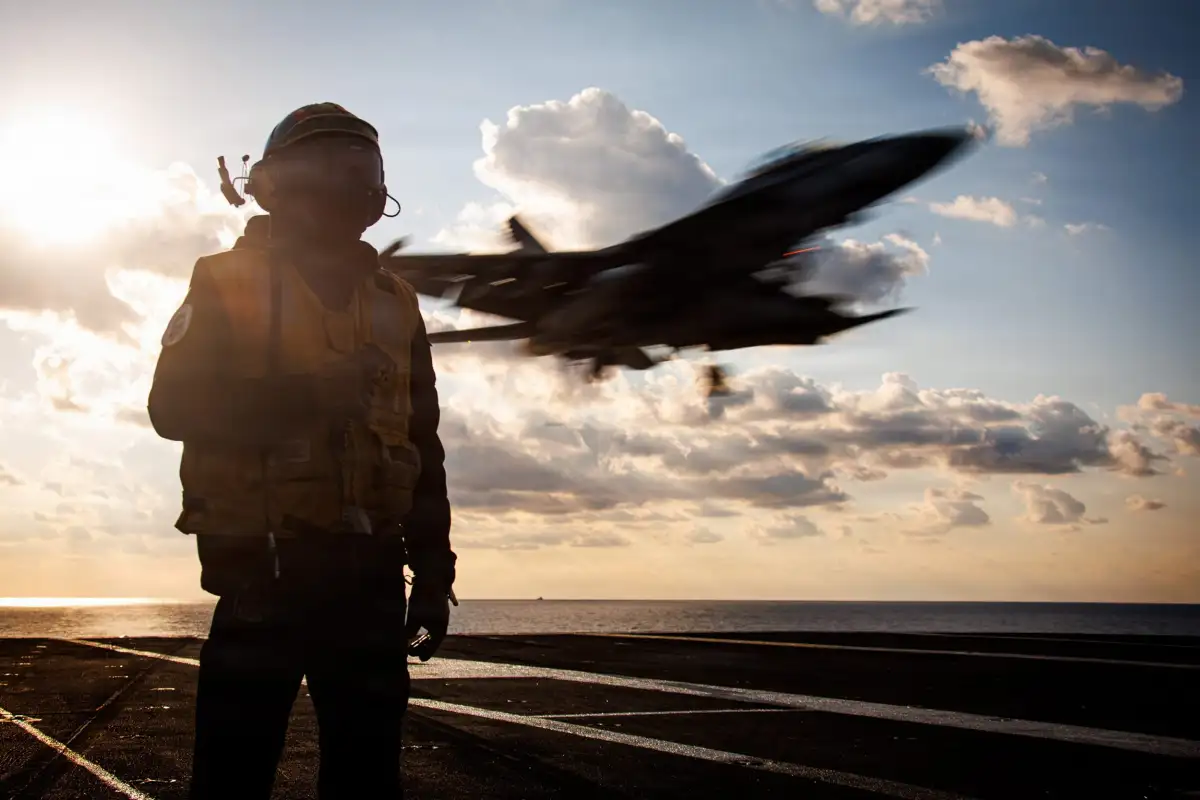
“The hour of your freedom is at hand,” President Donald Trump told the Iranian people, though the "freedom" currently looks like high oil prices and a fractured Strait of Hormuz.
FIFA has functionally ended Iran’s World Cup hopes; the country’s sports minister stated participation is impossible with the leadership dead and players lacking "security."
The International Energy Agency (IEA) has released historic amounts of petroleum reserves, yet markets remain volatile as Iran's Revolutionary Guard threatens to block Gulf oil shipments entirely.
Background of the Escalation
The conflict began on February 28, 2026, with a massive joint assault by US and Israeli forces. Initially framed as a move to dismantle the ballistic missile program, the mission objective has since shifted toward regime collapse. Despite the "intense" nature of the bombing, the Pentagon insists this is not a permanent occupation, though the "throttle" remains firmly in Washington's hands. Iranian Foreign Minister Abbas Araghchi has signaled that negotiations are dead, as the Islamic Republic enters what may be its final posture of resistance.
Read More: US Forces Destroy 16 Iranian Vessels Near Strait of Hormuz After Mining Allegations