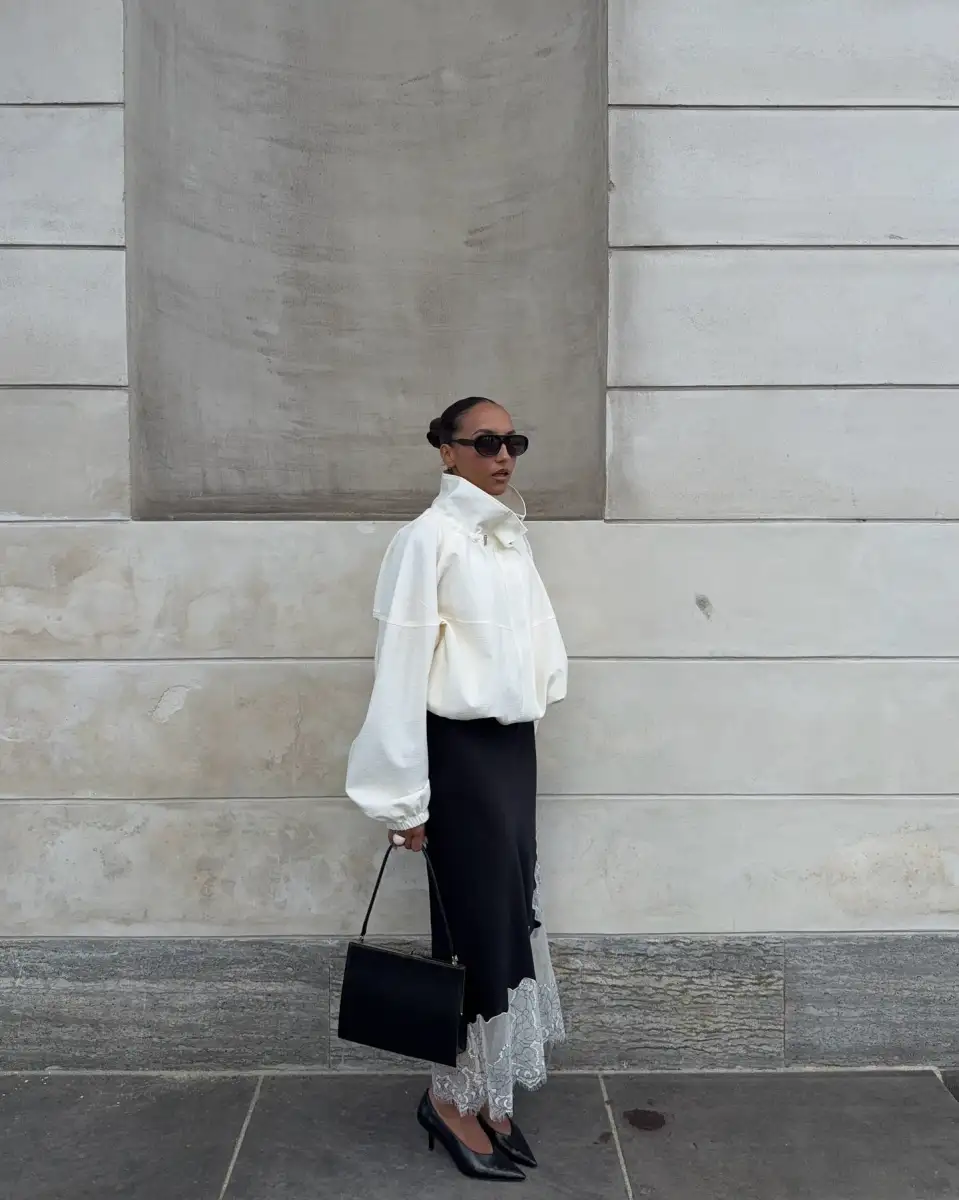
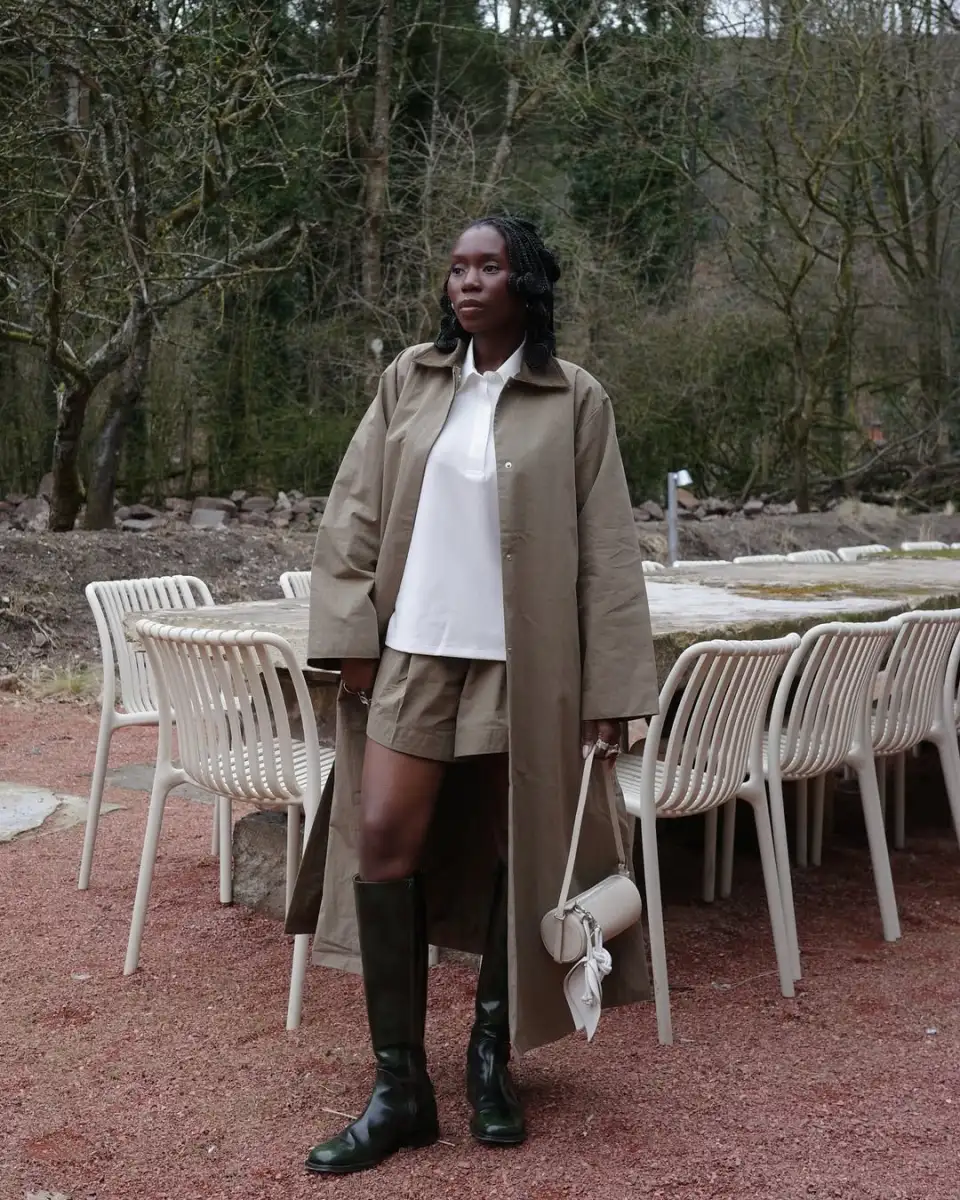
As of May 17, 2026, the fashion cycle has recalibrated toward wrap pants, a hybrid garment blending the silhouette of a wide-leg trouser with the kinetic visual weight of a skirt. Retail markets and style commentators have identified this item as a dominant trend for the current spring-to-summer transition.
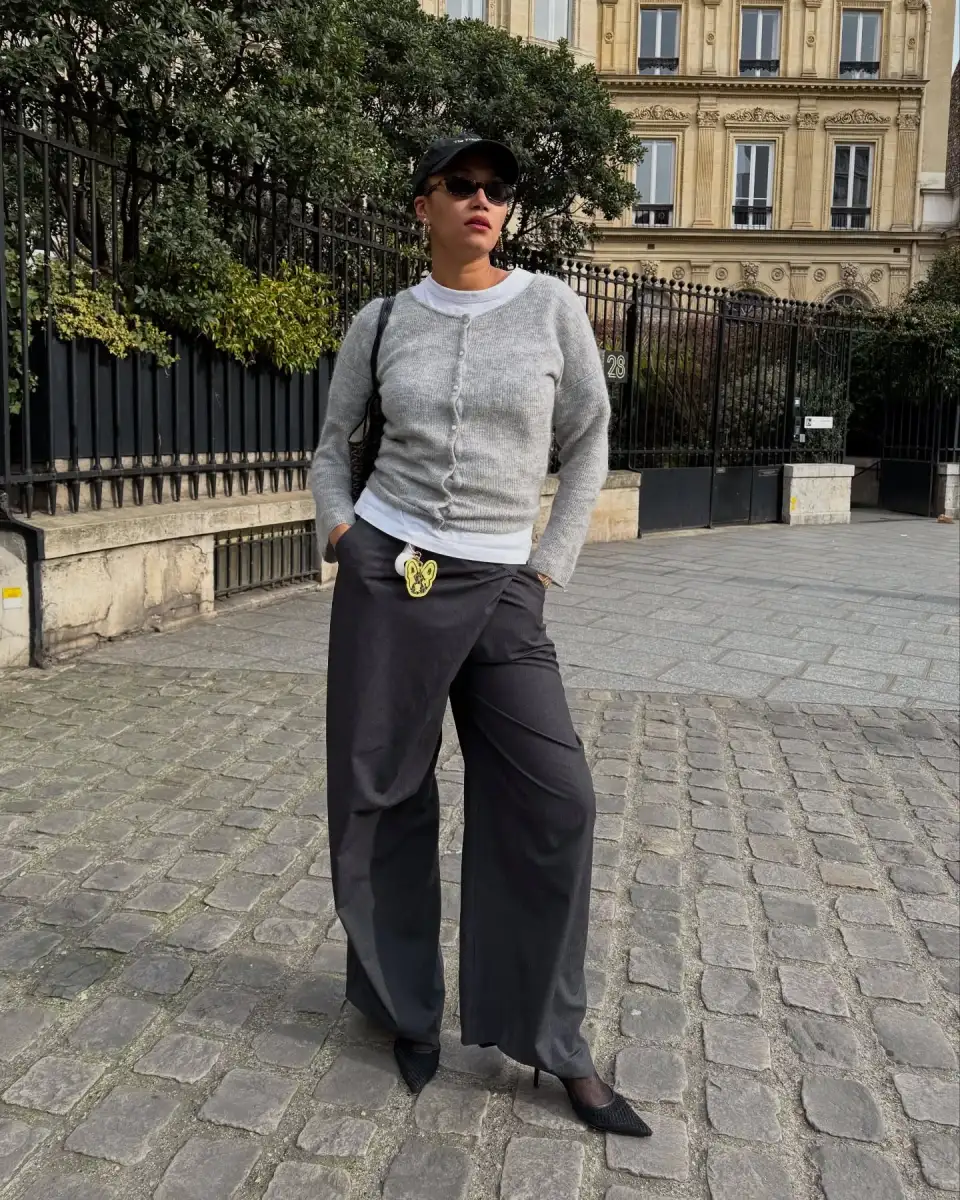
Core technical directive: The garment relies on volume management; pairing the voluminous lower half with structured or fitted tops is the standard method for avoiding an unkempt appearance.

Structural Composition and Utility
The appeal of the wrap pant lies in its fluid construction, which provides an alternative to traditional rigid tailoring. Industry Trends indicate that these items function as a multipurpose tool for travelers and those navigating fluctuating temperatures.
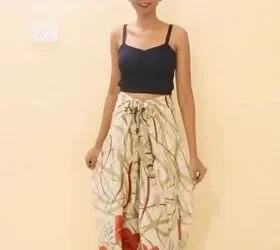
Versatility: Designers note that the piece moves between beach environments and formal settings depending on the fabric density.
Balance: Stylists emphasize that the "slouchy" nature of the cut necessitates footwear that elongates the leg to prevent the wearer from appearing visually grounded by the excess material.
Adaptability: Certain DIY approaches suggest that the wrap mechanism allows for temporary reconfiguration, allowing the wearer to modify the garment’s geometry mid-day.
| Styling Variable | Recommended Approach |
|---|---|
| Top Selection | Fitted or cropped to offset volume |
| Footwear | Minimalist sandals or heeled structures |
| Accessorizing | Kept sparse to avoid cluttering the drape |
The Mechanics of Fashion Propagation
The emergence of this trend in May 2026 mirrors a broader, lingering fixation on "effortless" dressing—a term frequently deployed to market clothing that mimics leisure while occupying space in the professional or social sphere.
Read More: Princess Catherine Wears £750 Roland Mouret Dress to Royal Wedding Today
"Wrap pants are shaping up to be one of the defining pant trends of spring and summer 2026, merging the ease of wide-leg trousers with the draped effect of a wrap skirt."
While publications and stylists characterize this as a "must-have," the garment is essentially a cyclical return to loose, fabric-heavy bottoms that have periodically surfaced in global Fashion cycles for decades. The current obsession appears to be less about a revolution in tailoring and more about a renewed comfort with "fluidity" as a primary aesthetic signal. Whether this trend persists beyond the heat of the season remains secondary to its current function as a visual shorthand for contemporary, high-frequency Style.